


 40
40
How Did the 1968 Moog Backlash Predict Today’s Generative AI Music Debate?
MAY. 27 2026
Section
Read Time
Written By
[ EXCERPT ]
The music industry’s anxiety over generative AI mirrors the 1968 backlash against Wendy Carlos and the Moog. Today, artists flee digital screens for tactile hardware as they struggle to define human artistry against machine mediation.
The music industry’s anxiety over generative AI mirrors the 1968 backlash against Wendy Carlos and the Moog. Today, artists flee digital screens for tactile hardware as they struggle to define human artistry against machine mediation.
The boundary separating human artistry from machine mediation remains heavily contested across the global music industry today. New tools constantly challenge old definitions of talent. This friction forces artists to aggressively defend their craft against technological disruption. The debate ultimately centers on where the machine ends and the musician begins.
In 1968, Wendy Carlos programmed classical Bach compositions on an imposing Moog modular synthesizer. Traditionalists reacted with sheer horror. They argued that machines lacked a human soul. Today, modern electronic musicians and producers face the exact same anxiety regarding generative algorithms and automated mastering tools.
TL;DR The global music industry currently faces intense anxieties over generative AI and automated algorithmic mastering. These modern debates directly mirror the 1968 backlash against Wendy Carlos and the Moog synthesizer. As musicians debate automation, a growing hardware movement sees artists abandoning digital screens for tactile DAW-less live performances.
Why Did The Moog Modular Terrify Traditionalists?
Wendy Carlos chose Bach for a reason. These compositions demand mathematical precision and deep emotional resonance. Hearing these pieces played through a machine shocked traditionalists. It challenged their fundamental understanding of music. The Moog was a towering wall of electronics. It looked like a complex telephone switchboard. Musicians used heavy cables to route voltages between oscillators and filters. Critics could not understand how mathematical voltage could produce emotional art.
Artistry always involves some form of physical mediation. A piano relies on complex mechanical hammers striking strings. Yet the electronic nature of the Moog crossed an invisible line for many listeners. It felt too detached from human breath and physical force. Critics insisted a machine could not possess a soul. They believed true art required sweat and struggle. The Moog seemed to bypass that human effort.
Spotify and UMG Launch New AI Remix Tool for Premium Users
Generative AI Sparks Modern Industry Panic
Today the industry faces the exact same anxiety. Generative AI introduces unprecedented capabilities into the recording studio. These algorithms generate tracks with zero physical input. A user simply types a text prompt into a digital screen. The machine handles the entire composition process instantly. It writes melodies and structures chord progressions. It even synthesizes realistic human vocals. This reality terrifies thousands of working professionals.
How Does Automated Mastering Threaten Audio Engineers?
Automated mastering further fuels this current industry anxiety. Mastering is the final polish applied to an audio track. It traditionally requires a highly trained expert human ear. Engineers spend decades learning how to perfectly balance a mix. Now automated algorithmic tools do this work instantly. They analyze frequencies and adjust volume levels using pure mathematics. A process that once cost thousands of dollars now costs pennies. This automation actively displaces human workers.
Do Leading Producers Demand Algorithmic Adaptation?
Many prominent producers argue that resisting technological advancement is futile. They view artificial intelligence as just another standard studio tool. Some actively encourage artists to adopt these new systems quickly. They believe the market will relentlessly favor speed and efficiency over traditional craftsmanship. This pragmatism dominates the top tiers of electronic music production. For example, prominent producers argue artists must adapt to algorithmic tools or face obsolescence.
Are Artists Really Fleeing The Digital Screen?
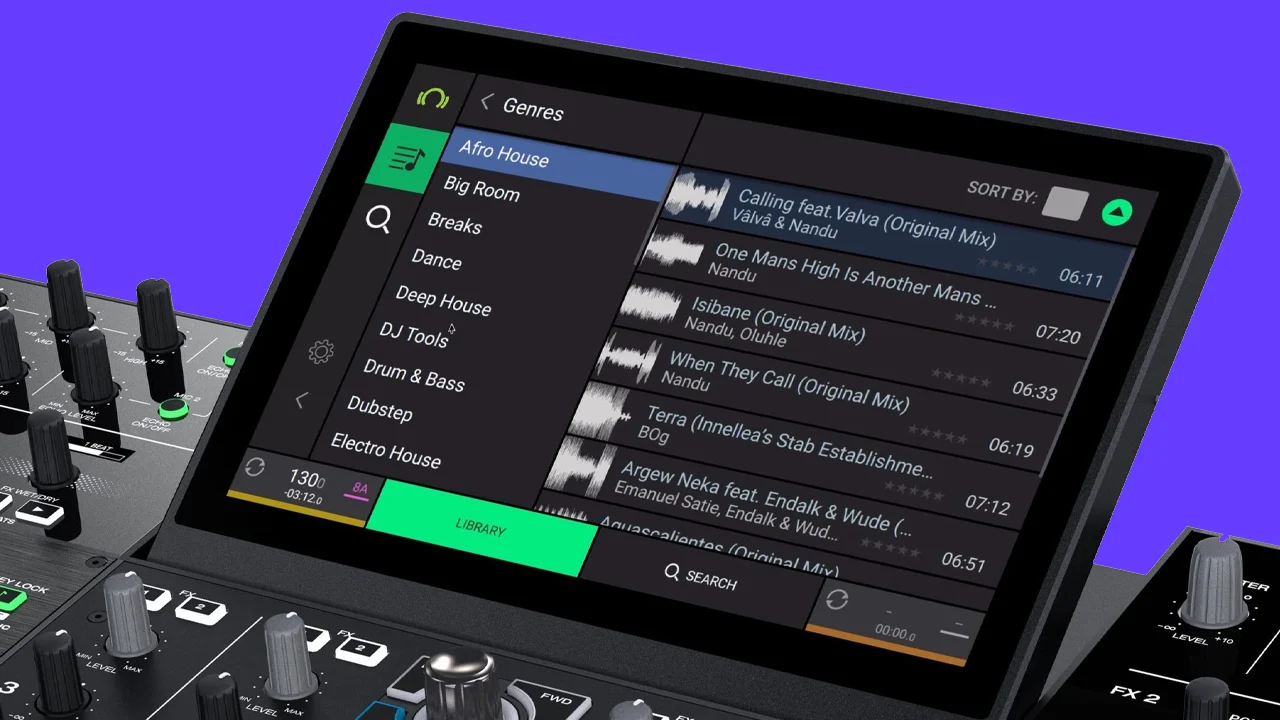
Conversely, modern electronic musicians are aggressively reacting to this digital overload. They actively flee digital screens. Computers dominate every aspect of modern life. Using a screen for creative expression feels exhausting. Musicians want a radically different physical experience. They suffer from severe digital fatigue. Sitting in front of a glowing monitor drains their creative energy. This fatigue drives a widespread return to tactile hardware.

Reclaiming The Human Element Through Hardware
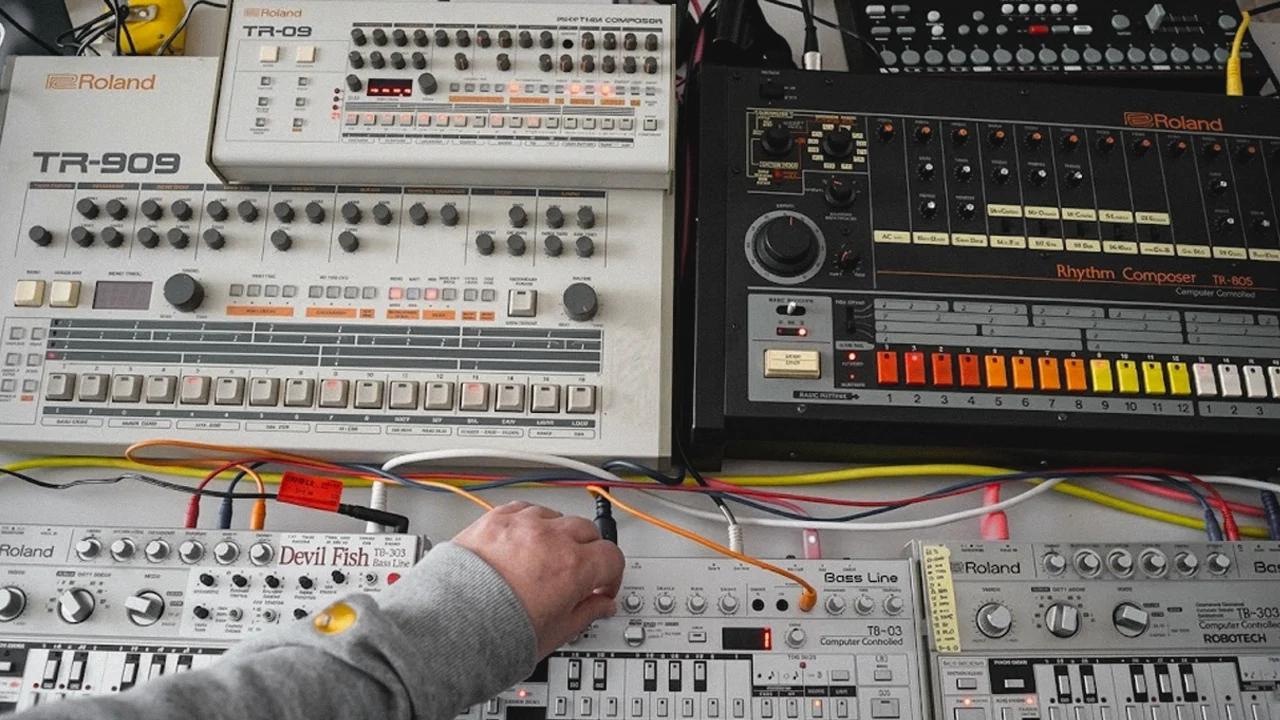
Artists want to touch real knobs and physical sliders. They want to feel heavy resistance when they push a fader. This physical interaction connects them directly to the output. It provides the tangible feedback that digital screens lack. Using tactile hardware forces artists to commit to firm decisions. You cannot easily undo a physical knob turn. This permanence injects human error back into the final product. These tiny physical mistakes represent the actual human soul. They prove that a living person is controlling the machines.
The DAW-less Performance Philosophy
DAW-less performances represent the peak of this modern movement. Artists perform live without computer monitors in sight. They rely on perfectly synchronized tactile hardware boxes. Drum machines and sequencers replace the traditional laptop screen. This approach requires immense focus and extreme physical coordination. The high risk of total failure makes the performance feel real. Audiences respond to this visible physical effort. They want to see the artist working. The fundamental question of human artistry remains unchanged as technology accelerates into the unknown.
Sources & Further reading
1968: Switched-On Bach Release
- Wendy Carlos released her debut album in October 1968. It is widely cited as the first electronic album to achieve mainstream pop success, transforming the Moog synthesizer from an experimental tool into a viable musical instrument.
- Source: Wikipedia – Switched-On Bach
1969: Switched-On Bach Sales Milestone
- By June 1974, Billboard reported that the album had surpassed one million copies sold, making it only the second classical music record in history to achieve platinum-level status.
- Source: Britannica – Wendy Carlos Biography
2014: LANDR Official Launch
- Following its foundation as MixGenius in 2011, the company launched its flagship automated cloud-based mastering platform, LANDR, in May 2014, signaling the first mass-market application of algorithmic mastering.
- Source: Business Model Canvas – LANDR History
April 14, 2026: Diplo’s AI Statement
- Superstar DJ and producer Diplo ignited a viral industry debate by stating that creatives must adapt to generative AI tools or risk professional obsolescence, famously telling critics to “become an Uber driver.”
- Source: Stereogum – Diplo Says Creatives Need To Use AI Or Give Up
2022: LANDR Platform Scale
- By 2022, LANDR reported that more than 20 million tracks had been mastered through its automated platform since its inception, highlighting the scale of AI adoption in independent music production.
- Source: Business Model Canvas – LANDR Milestones
What We Covered

- [2026.07.10] ./Skrillex shares his honest opinion on the future of AI in the music industry
- [2026.07.08] ./Why AI Event Posters are Killing Ticket Presales in 2026
- [2026.07.06] ./Generative AI Migrates From Cloud DAWs Directly to Standalone Performance Hardware
- [2026.07.03] ./Sony Music vs Udio: Judge Rejects 30,000-Track Lawsuit Expansion Motion
- [2026.06.30] ./TIDAL Enacts Zero-Royalty Policy for Fully AI-Generated Music Catalog