

 55
55
Skrillex shares his honest opinion on the future of AI in the music industry
JUL. 10 2026
Section
Read Time
Written By
[ EXCERPT ]
Electronic music pioneer Skrillex argues that generative AI cannot replicate the human vulnerability of authentic art, even as empirical market data shows eighty-seven percent of modern music producers now incorporate automated tools into daily workflows.
Electronic music pioneer Skrillex argues that generative AI cannot replicate the human vulnerability of authentic art, even as empirical market data shows eighty-seven percent of modern music producers now incorporate automated tools into daily workflows.
The global music industry is navigating an era defined by automated scale and synthetic saturation. Algorithmic distribution networks are flooding streaming services with machine-generated audio files. Platforms are attempting to balance this surge with strict quality filters. Spotify reportedly removed over 75 million spam tracks in the year leading up to September 2025 to protect its catalog. Audiences are increasingly comfortable with algorithmic recommendations. Yet, the rapid rise of these models raises major concerns about artistic identity.
This technological expansion has forced a fundamental shift in how artists evaluate original expression. Major record labels have consolidated around licensed-only systems to guard their intellectual property. The legal battlefield reached a peak when Universal Music Group and Sony Music asked a federal court to add 61,026 sound recordings to their ongoing infringement litigation against AI developer Suno. Electronic musicians are increasingly questioning whether technical automation can ever replace artistic trust.
TL;DR: Electronic music pioneer Skrillex argues that while generative artificial intelligence can generate viral tracks, it cannot replicate the human vulnerability needed for listeners to feel truly understood. Industry data shows 87% of producers use AI tools, but creative leaders are retreating to physical spaces like Kraftwerk Berlin to preserve authenticity.
Why does Skrillex believe AI cannot automate human connection?
In his first formal interview in over a decade, published in the Summer 2026 print edition of 032c Magazine Issue #49, Sonny Moore sat down with Ecco2K to discuss artificial intelligence. Moore, who performs as Skrillex, argued that art requires a vulnerable human element to resonate. “I think the value of art can almost be measured by its ability to make someone feel seen,” Moore stated. He noted that while machine learning can easily trigger viral novelty, it cannot establish a genuine bond between the artist and the audience. “Maybe there are some AI songs that can go viral, but you can’t have that feeling of being seen if there isn’t a human on the other side,” he explained, a stance analyzed by EDM Addicts.
I think the value of art can almost be measured by its ability to make someone feel seen
This perspective is grounded in his own early digital production setups. He revealed that he composed his 2009 track “Mora” inside Apple’s consumer software GarageBand. His breakout EP, Scary Monsters and Nice Sprites (2010), was completed with a total marketing budget of under $2,000. Moore believes technical limitations force producers to develop distinct creative identities. “Starting from something imperfect forces you to end up somewhere you’d never expect,” he explained.

Fred Again.. and Skrillex: How Chaos Marketing Conquered the Nightlife Economy
CONTRA and the physical retreat from digital noise
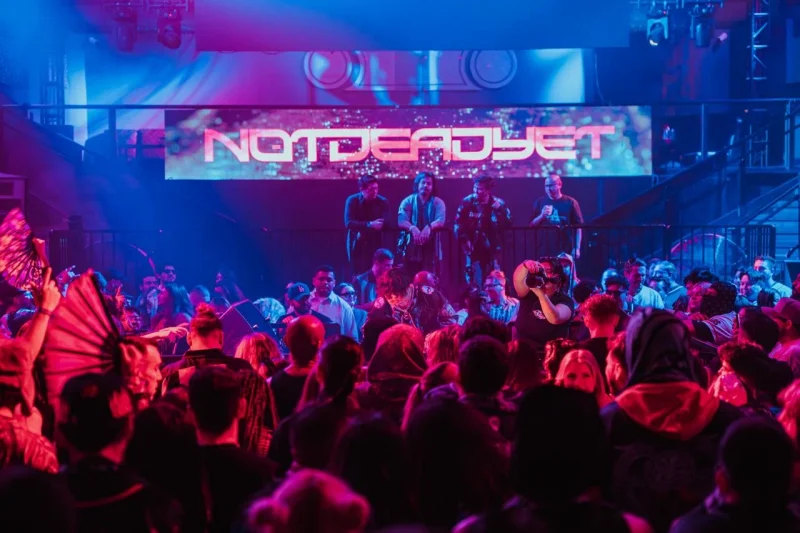
Real-world gatherings offer an alternative to digital noise. To counteract the isolating effects of generative tech, Moore is shifting his focus toward physical curation. He launched CONTRA, a multidisciplinary club concept developed with Berlin Atonal. The project debuted with a two-day takeover of the historic Kraftwerk Berlin power plant on May 30 and 31, 2026. “It’s more important than ever to create spaces where people can just be present together and feel something the way it’s meant to be felt,” Moore asserted.
The lineup was diverse. The event featured over 70 experimental and underground artists, including Bladee, Blawan, and Juliana Huxtable. Paris design studio Matière Noire used warm-white lighting to transform the vast concrete space into an intimate club environment. Moore argues that these localized physical gatherings provide an essential alternative to algorithmic music consumption. Connection requires physical presence.
Is generative AI reshaping the modern producer workflow?
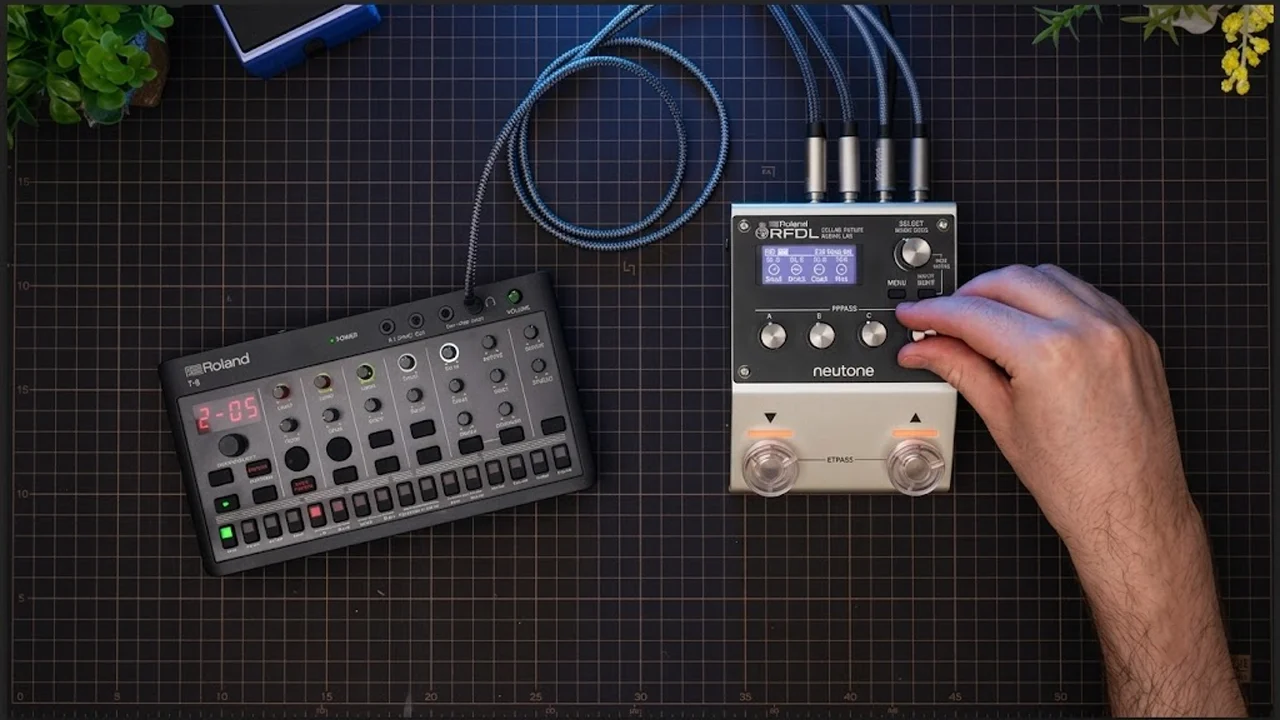
The tools are changing fast. While Moore advocates for physical presence, data shows that machine learning is already integrated into the creative workflow. A recent study by LANDR revealed that 87% of surveyed musicians have incorporated AI into at least one stage of their production or promotional process.
The study found that while 79% of producers utilize these tools for mixing and mastering, only 13% of artists use generative software to compose an entire musical track from scratch. Professional music makers accept AI as an efficiency assistant. However, they continue to reject total creative automation. Human curation remains central.


The legal battle for data control
Who owns the training data? The philosophical debate over artistic authenticity is mirrored by a massive legal struggle. In June 2026, tech investigator Alex Reisner published a report exposing how generative AI developers systematically scraped copyrighted works. The search tool, launched under the AI Watchdog project, identified that dozens of Skrillex tracks had been ingested into public training datasets.
This ingestion has driven major labels to pursue aggressive legal action. Record companies filing claims in federal court seek maximum statutory damages of up to $150,000 per infringed work from developers like Suno. The outcome will determine whether the music industry consolidates into licensed “walled gardens” or moves toward a decentralized independent economy. The legal battles are growing.
Sources & Further reading
Theme 2: Skrillex’s Career Milestones and DIY Production Origins
- Interspace Music: Skrillex: AI Music Can’t Replace Human Feeling
- Skrillex revealed that his 2009 track “Mora” was composed primarily within Apple’s basic consumer software GarageBand, while early versions of his hit “Bangarang” were recorded using cheap laptop and Snowball microphones.
We Rave You: Skrillex gives first interview in over a decade to Berlin’s 032c magazine
- Skrillex recalled that his highly influential 2010 breakout EP Scary Monsters and Nice Sprites was launched with a bootstrapped marketing budget of just $2,000.
032c Magazine: Mastering Disruption: Skrillex in conversation with Ecco2k
- The original laptop Skrillex utilized during the creation of his early landmark releases currently resides in the Rock and Roll Hall of Fame.
What We Covered

- [2026.07.08] ./Why AI Event Posters are Killing Ticket Presales in 2026
- [2026.07.06] ./Generative AI Migrates From Cloud DAWs Directly to Standalone Performance Hardware
- [2026.07.03] ./Sony Music vs Udio: Judge Rejects 30,000-Track Lawsuit Expansion Motion
- [2026.06.30] ./TIDAL Enacts Zero-Royalty Policy for Fully AI-Generated Music Catalog
- [2026.06.28] ./The End of Anonymous AI Integration in Modern Music Production