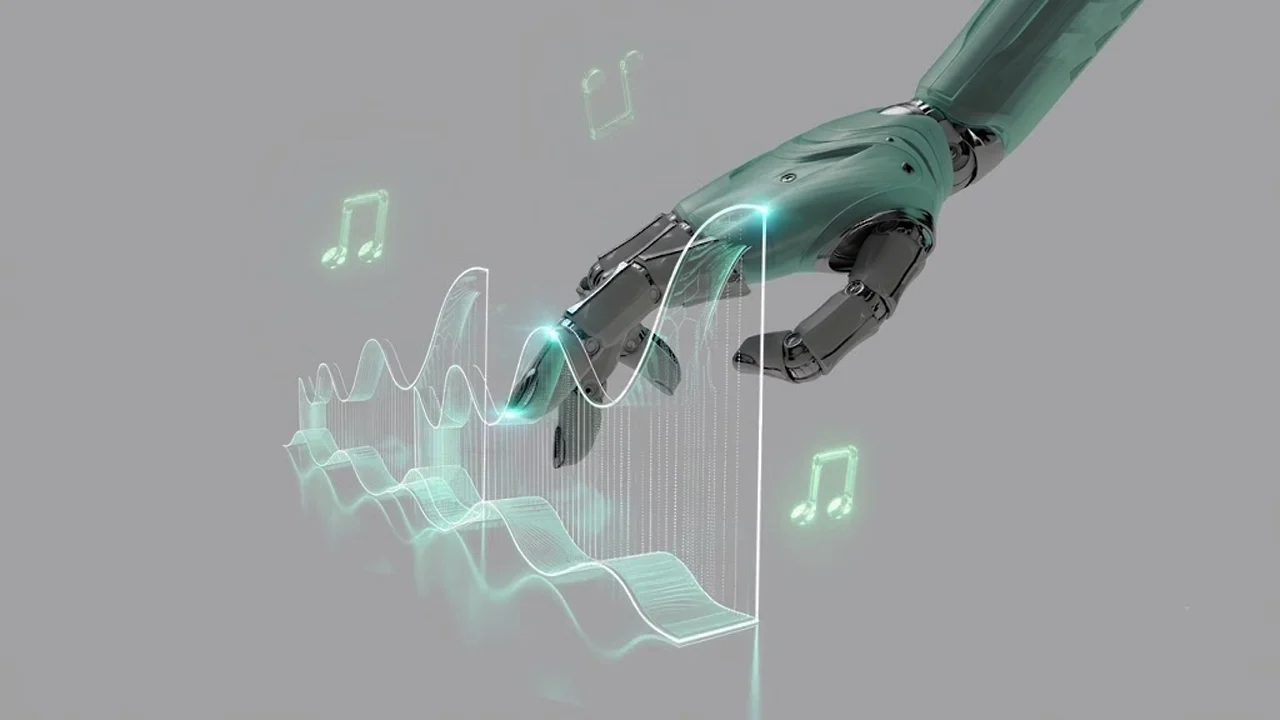

The boundary between human craftsmanship and automated generation in modern music production is closing. For the past several years, independent creators operated under a system of functional anonymity by utilizing generative tools without public disclosure. That era of plausible deniability has reached its structural limit.
As platforms, labels, and federal lawmakers align their enforcement mechanisms, the industry is transitioning into an era of mandatory accountability. Artists who continue to hide their use of artificial intelligence face a coordinated ecosystem designed to expose them.
TL;DR: The music industry is shifting from voluntary disclosure to forced transparency. Driven by federal legislative packages like the NO FAKES Act, alongside advanced automated acoustic fingerprinting by major streaming platforms, producers who conceal generative AI workflows risk immediate copyright forfeiture, platform bans, and severe commercial distribution liabilities.
Is the “Confession Booth” Open for Producers?
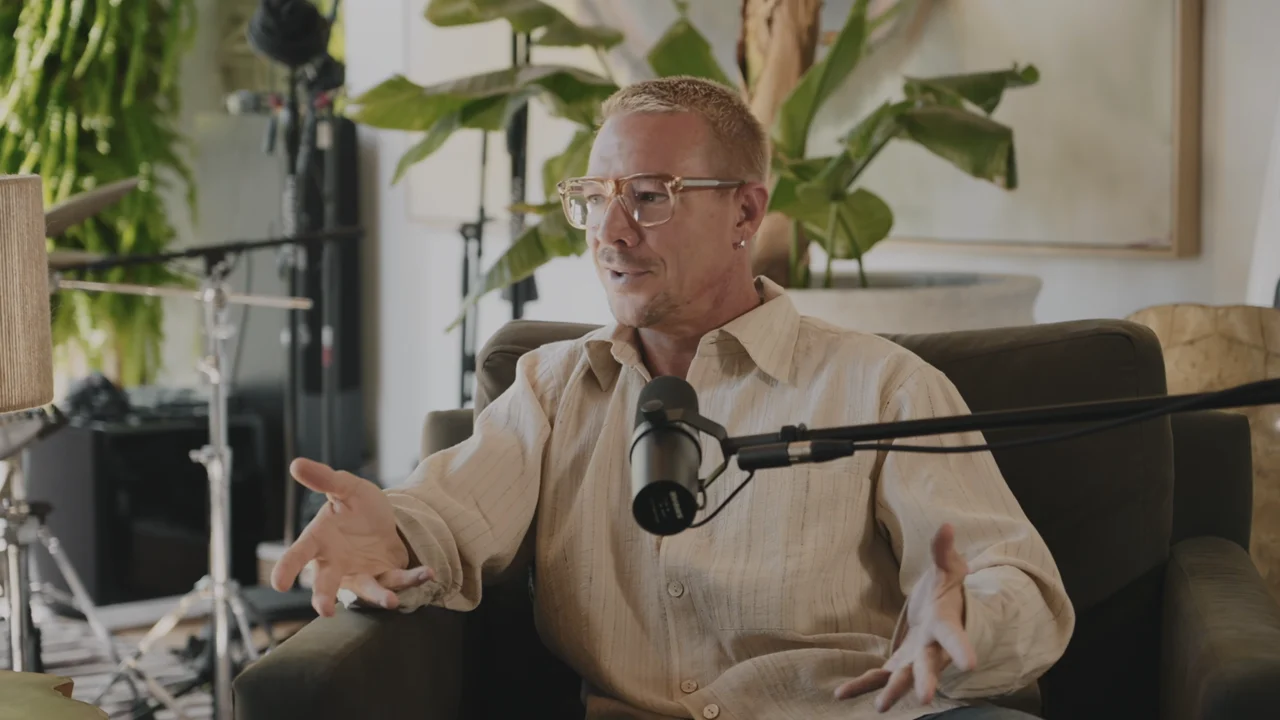
The music industry is rapidly building the infrastructure required to audit digital audio files. Entertainment attorney Miss Krystle, host of the Top Music Attorney podcast, recently warned creators that those hiding their AI usage face imminent exposure. This observation is anchored in real-world policy shifts rather than speculation.
The U.S. Copyright Office has formalized strict directives requiring applicants to explicitly state where human authorship ends and machine generation begins. Under current federal guidelines, purely AI-generated audio cannot be copyrighted. Failing to disclose these elements on a federal application constitutes a fraudulent filing, and this infraction can strip an entire catalog of legal protection.
Universal and Warner sued by musicians union for bypassing collective bargaining
Federal Law Enforces the Right to Audit
The legal framework protecting human creators took a massive step forward on June 18, 2026. On this date, the Senate Judiciary Committee advanced the federal NO FAKES Act with unanimous, bipartisan support. This piece of legislation establishes a clear, nationwide intellectual property right over an individual’s voice and likeness.
This bill introduces a strict notice and takedown system modeled after traditional DMCA protocols. Alongside this initiative, the Recording Academy has actively lobbied for the passage of the CLEAR Act via its Grammys on the Hill advocacy network. This framework requires AI developers to submit their training datasets directly to the Copyright Office, creating a searchable database that allows human artists to audit models for copyright infringement.
Streaming Platforms Deploy Acoustic Fingerprinting
Distributors and streaming networks are no longer relying on self-reporting or manual curation. Organizations like the Digital Data Exchange (DDEX) have introduced standardized metadata tracking frameworks designed specifically for AI-assisted musical works. Independent distribution portals now require creators to submit verified generation records before a track can be approved for global monetization.

Billboard: At Least One AI-Generated Artist Charts Every Single Week Now
Major platforms like Spotify are aggressively updating their algorithmic defense systems. These tools use acoustic fingerprinting to analyze audio textures, identifying patterns left behind by prominent generation models. In recent crackdowns, platforms purged thousands of tracks associated with automated royalty manipulation schemes to signal a zero tolerance policy for undisclosed synthetic assets.
The Cost of Commercial Liability
The financial risk of concealing synthetic elements has escalated due to major label litigation. In June 2024, Universal Music Group, Sony Music, and Warner Music Group filed landmark lawsuits against AI tech firms Suno and Udio, seeking statutory damages reaching $150,000 per infringed work. By late 2025, these major labels secured stringent, confidential settlements that altered how these tools operate.
As a direct consequence, these platforms are integrating content matching databases directly into their systems. If a producer exports a track from an unlicensed or free tier AI tool and uploads it to commercial streaming services, the file will trigger an automatic copyright match. The current copyright compliance landscape proves that anonymous integration is over, and clear disclosure is now the only path to legal safety.


Sources & Further reading
- Senate Judiciary Committee Advances NO FAKES Act (June 2026): Details the unanimous advancement of federal legislation establishing voice and likeness protections.
- The Recording Academy Champions AI Transparency Bills at Grammys on the Hill: Outlines the legislative push for the NO FAKES, TRAIN, and CLEAR Acts to enforce transparency in AI models.
- AI Music Copyright & Platform Monetization Realities (2026): Examines human-authorship legal precedents, Content ID enforcement, and European AI Act mandates.
- AI Music Protection Workflows & Registration Processes: A comprehensive overview of audio fingerprinting, generation logging, and U.S. Copyright Office disclosure requirements.