


 47
47
Why Do Modern Club Promoters Prioritize Viral Reach Over DJ Mixing Skills?
JUN. 23 2026
Section
Read Time
Written By
[ EXCERPT ]
The traditional electronic music gatekeeper has been replaced by short-form video algorithms. Aspiring DJs are facing severe psychological exhaustion as risk-averse club promoters prioritize 15-second viral clips and social media metrics over genuine technical track selection.
The traditional electronic music gatekeeper has been replaced by short-form video algorithms. Aspiring DJs are facing severe psychological exhaustion as risk-averse club promoters prioritize 15-second viral clips and social media metrics over genuine technical track selection.
I recently watched a friend of mine spend his Sunday afternoon staring blankly at a video editing timeline. He is a resident DJ who spent a decade perfecting the art of a four-hour warm-up set. He was not programming lights or editing an exclusive edit of a rare record. He was trying to figure out how to stretch a 15-second vertical video clip of a bass drop so it would not get flagged by a copyright filter. His two-hour mix on SoundCloud took three weeks to curate. It had accumulated exactly 42 plays in a month.
The electronic music industry is undergoing an exhausting structural shift. The technical skill of mixing tracks has been entirely overshadowed by the mandate to operate as a full-time digital content creator.
TL;DR: The traditional gatekeepers of dance music have been replaced by short-form video algorithms. Aspiring DJs uploading long-form mixes to SoundCloud find it fruitless, as promoters now prioritize viral reach over technical blending skills. Success in the modern scene requires sacrificing track selection for high-energy visual loops.
Is anyone actually listening to the music anymore?
The short answer is no, at least not in the way we used to. When I look at the data driving our industry, the pivot away from long-form audio toward vertical video is staggering. According to the 2025 IMS Business Report, the global electronic music industry surged to a record 15.1 billion dollars in value. But if you look beneath that headline, you see that the growth is not coming from people buying vinyl or streaming full sets.
Instead, electronic music creations on TikTok alone surged by 50% year-over-year. The platform has completely flattened music discovery. We are witnessing a systemic enshittification-electronic-dance-music-platform-decay/">enshittification and platform decay within electronic music, where the space once reserved for exploration is converted into ad-friendly content loops. I see younger DJs completely abandon platforms like Mixcloud because the return on investment on a two-hour recording is zero. If you cannot package your art into a 9:16 aspect ratio, the current market treats your technical talent as if it does not exist.

The Electronic Dance Music Industry is Fractured, But These 3 Rules Keep It Alive
The promoters are not looking at your tracklist
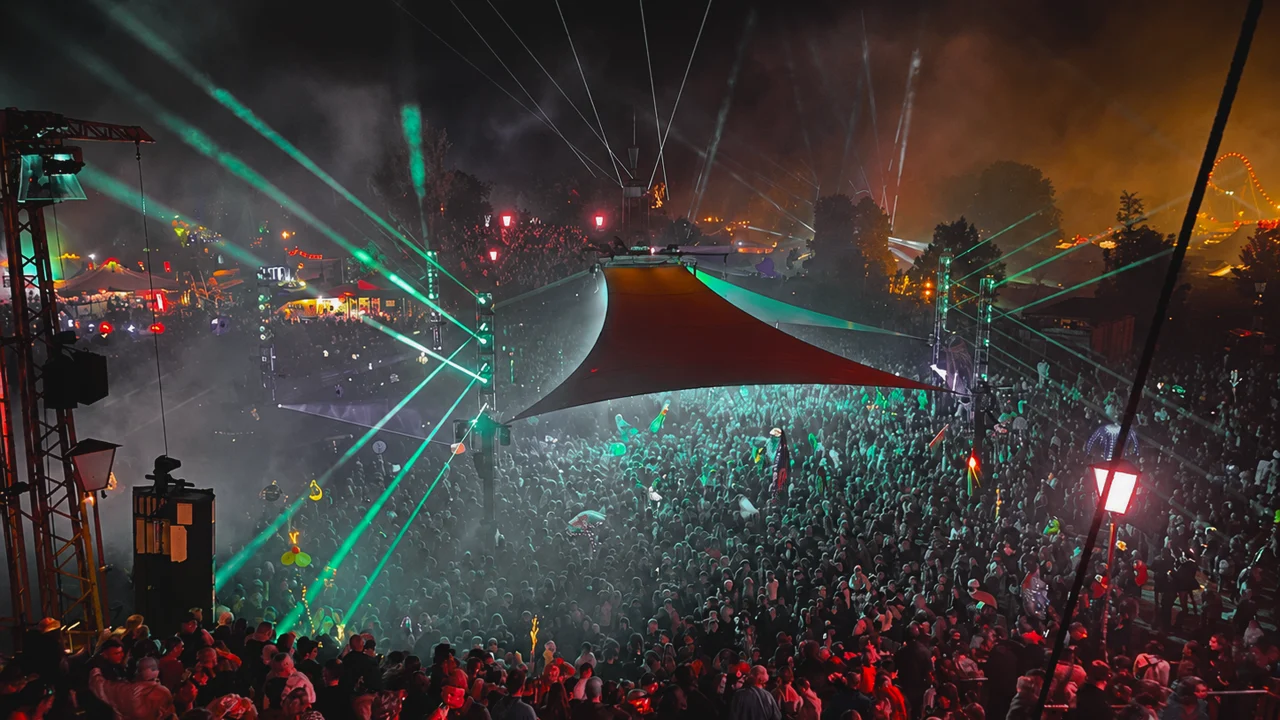
I have spoken with several independent venue owners who admit to a harsh financial reality. Nightlife has consolidated intensely, creating what analysts call the Ibiza Paradox. In regions like Ibiza, club ticketing revenues hit a historic high of 160 million euros, but that money was squeezed out of a steadily decreasing number of events.
Because clubs are running fewer nights and facing massive overhead costs, talent bookers are completely risk-averse. They cannot afford to book a brilliant local selector who holds a crowd but has fewer than 1,000 followers. Promoters are outsourcing their talent scouting directly to ByteDance, which the European Union officially designated as a digital “Gatekeeper” under the Digital Markets Act. The modern booking agent does not ask for a demo tape. They check your engagement analytics.
The psychological toll of the influencer mandate
This algorithm-first framework forces a strange, performance-art aspect onto the craft. I see artists who used to spend their weeks hunting through digital crates now spending their time buying high-end external microphones to film videos explaining electronic music history.
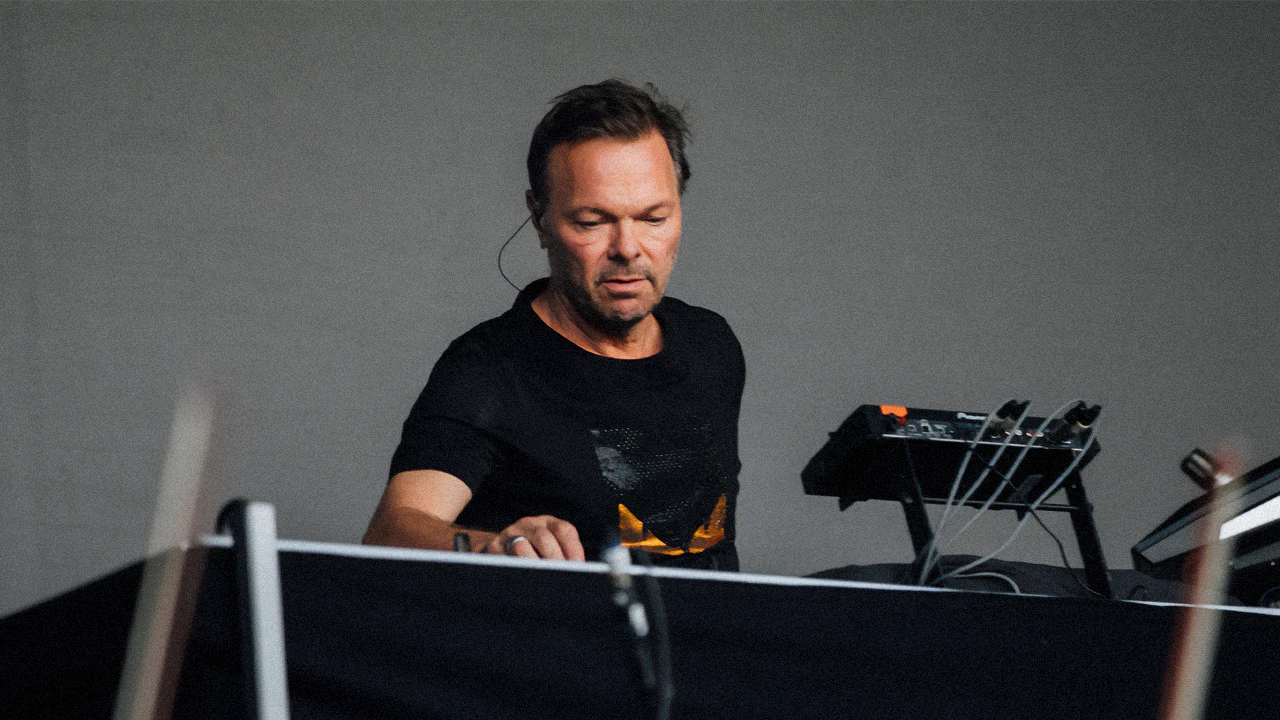
The psychological exhaustion is real and vocal. Veteran techno producers like Rebekah have publicly called out how the pressure to maintain an influencer lifestyle actively erodes the mental health of touring musicians. It forces a bizarre split. You are either a musician who refuses to play the social media game and remains invisible, or you become a content creator who occasionally plays music to validate your videos.

Can the underground survive the 15-second drop?
The danger of this shift is not just that it makes DJs tired. It changes the actual music being produced. When success is dictated by a quick swipe, tracks are engineered to deliver immediate satisfaction. Subtlety is dead. The underground relies on tension and release, but a 15-second preview window does not allow for tension. It demands an instant payoff.
I do not blame the new guard of DJs who are playing this game. They are simply adapting to a broken distribution model. But we need to be honest about what is being lost in translation. When the short-form clip becomes the final destination for electronic music, the DJ booth stops being a place of curation and simply becomes a backdrop for content creation.

Why 31% of Emerging DJs Are Quitting Music Due to Social Media Pressure
Sources & Further reading
The Macroeconomics of the Electronic Music Industry
- IMS Business Report 2026: Global Electronic Music Industry Now Worth $15.1 Billion
- The global electronic music industry experienced a 7% year-over-year acceleration, reaching an all-time record valuation of $15.1 billion in market value.
- THE IMS BUSINESS REPORT 2025: Industry Value is $12.9 billion
- Electronic music video content views on short-form platforms experienced a dramatic 45% to 50% year-over-year surge in global consumption.
Algorithmic Gatekeeping and Platform Power
- DMA: Bytedance (TikTok) Remains a Gatekeeper – eucrim
- The European Union General Court legally upheld the designation of ByteDance as an official digital “Gatekeeper” under the Digital Markets Act, codifying its role as an unavoidable structural gateway for creators and businesses trying to reach a digital audience.
Club Risk-Aversion and the “Ibiza Paradox”
- Ibiza club ticketing revenue hits €160 million in 2025 [IMS Ibiza 2026 Report] – We Rave You
- Ibiza club ticketing revenue hit a historic record high of 160 million euros, even as promoters squeezed that revenue out of a steadily declining average of just 140 events per venue.
- IMS Business Report 2026: Global Electronic Music Industry Now Worth $15.1 Billion
- High overhead costs and destination premiumization have forced talent bookers to focus heavily on high-yield, risk-averse lineups, leaving little room for lesser-known local artists with fewer than 1,000 followers.
What We Covered

- [2026.07.11] ./Las Vegas Free Nightclub Entry: How the LVCVA 21st Birthday Program Works
- [2026.07.10] ./Nothing challenges tech industry stagnation with its grassroots Club Nothing initiative
- [2026.07.05] ./&Friends Festival 2026 proves Philippine ravers are ready for global dance music scale
- [2026.06.30] ./How DJ Alok Uses Ancestral Music to Fund Real-World Amazon Reforestation
- [2026.06.27] ./Tomorrowland Thailand 2026 lineup sparks intense debate among dance music fans