
The electronic music sector increasingly evaluates long-term occupational hazards, specifically regarding substance reliance and performance anxiety among touring acts. While late-night environments inherently complicate recovery, industry veterans are shifting public discourse by treating chemical dependency as a structural threat to career longevity rather than a personal quirk.
This transparency directly impacts up-and-coming talent navigating the high-stress club circuit. When elite headliners openly analyze the mechanical realities of performing without chemical assistance, it normalizes conversations around mental health support frameworks. Examining these challenges helps demystify the professional hurdles that occur long after an artist successfully completes clinical intervention.
TL;DR: Legendary DJ Fatboy Slim’s recent public discussion regarding his battle with alcoholism highlights a critical industry reality: overcoming clinical addiction requires intense rehabilitation, and returning to high-profile performance circuits sober can introduce severe, paralyzing performance anxiety that demands systematic, long-term psychological adjustment to successfully overcome.
The Reality of Post-Rehab Performance Anxiety
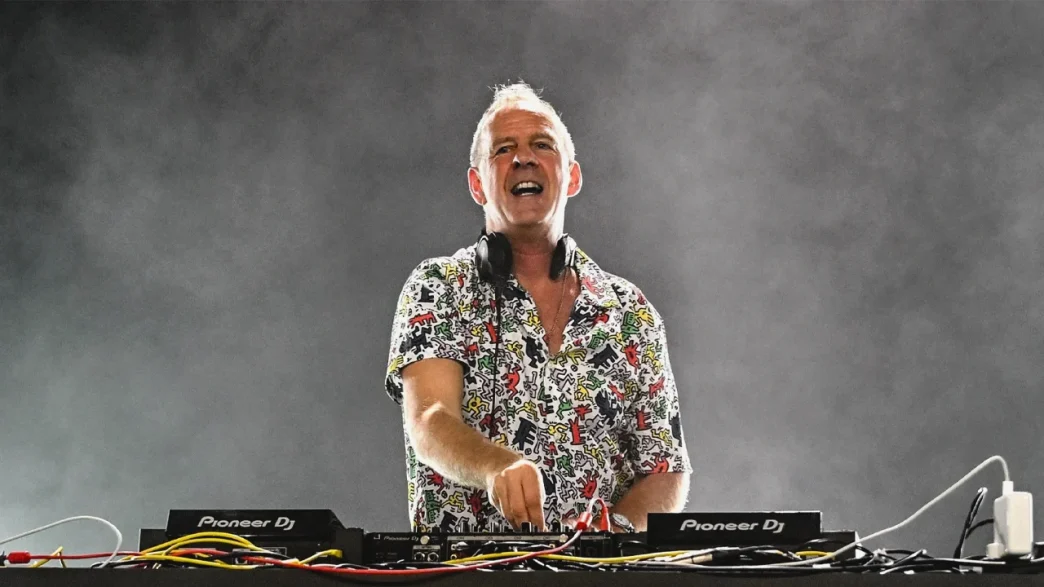
Electronic music pioneer Norman Cook, widely recognized by his stage name Fatboy Slim, recently addressed the immense psychological friction of returning to the stage sober. Speaking on the broadcast of BBC Radio 4’s Desert Island Discs on June 28, 2026, the artist characterized his past alcoholism as a self-preserving entity. He observed that addiction acts exactly like a biological parasite, actively fighting to keep the individual dependent so that the disease itself can survive.
The transition back to active touring presented an unexpected obstacle in the form of acute stage fright. Cook revealed that he was completely rigid with fear for his first five live shows following his release from treatment. Deprived of the chemical buffer he had relied on for decades, he experienced severe overthinking, analyzing basic technical choices on stage rather than operating on professional intuition.

Content Fatigue in EDM: Why Slower, Deeper Storytelling is Winning
This paralyzing anxiety presents a common structural hurdle for performing artists who mistake chemical dependency for genuine creative stamina. For Cook, the cycle finally broke during a high-energy tour stop in Japan, where an exceptionally responsive audience allowed him to reconnect with the core utility of his profession. The performance helped him realize that his role was simply to facilitate crowd engagement, which immediately reduced his internal performance anxieties.
Why Do Industry Professionals Struggle With Long-Term Sobriety?
The nightlife industry presents an ecosystem uniquely hostile to sustained addiction recovery. Cook originally checked into a specialized rehabilitation facility in 2009 to address his escalating dependency issues. He credited his initial breakthrough to a blunt ultimatum delivered quietly by his wife at the time, the well-known radio broadcaster Zoe Ball.
Clinical environments offer controlled insulation, but the return to live music venues reintroduces an artist to identical environmental triggers. Many performing acts rely heavily on specialized support systems, including structured programs like funded DJ workshops designed to help vulnerable creatives address severe mental health challenges through music. Without these targeted interventions, the sudden shift from a quiet recovery space to a high-pressure club environment often precipitates a relapse.
Statistical trends across the creative arts emphasize that professional accountability remains a primary driver for successful intervention. Cook noted that the final year of his active drinking compromised his personal safety and professional output, indicating that he sought formal medical assistance just in time to salvage his career. His path demonstrates that surviving the initial detox phase is merely the preliminary step in a lifelong restructuring of an artist’s working environment.



From Quentin to Fatboy Slim: A Case for Reinvention
Long before achieving global chart success, the musician navigated personal identity crises that informed his later public persona. Born Norman Quentin Cook, he faced intense social alienation during his youth due to his middle name, which was widely associated with the flamboyant cultural figure Quentin Crisp. To mitigate the social pushback, he chose to completely drop the name and assume a highly conventional moniker to establish a normal social footprint.
This early instinct for personal reinvention eventually defined his multi-decade trajectory across the British music charts. After performing as a bassist with the indie rock group the Housemartins alongside frontman Paul Heaton, Cook successfully pivoted into electronic dance music during the late twentieth century. His capacity to shed old identities allowed him to build a resilient public profile capable of weathering intense personal turbulence.
The institutional recognition of his work remains substantial despite his lengthy mid-career hiatus for medical treatment. Cook has secured a total of six Grammy nominations throughout his career, alongside major accolades for his innovative commercial videography. His sustained presence in the international touring circuit proves that artists can maintain commercial relevance while operating entirely outside the traditional party culture.
Sources & Further reading
- The Guardian: Full breaking coverage of Norman Cook’s Desert Island Discs interview detailing his anxiety, his “parasite” description of alcoholism, his marriage to Zoe Ball, and the turning point show in Japan.
- The Argus: Local coverage highlighting his 2009 rehab admission, his 15-year sobriety milestone, and his school history sharing a form room with Sir Keir Starmer.