


 91
91
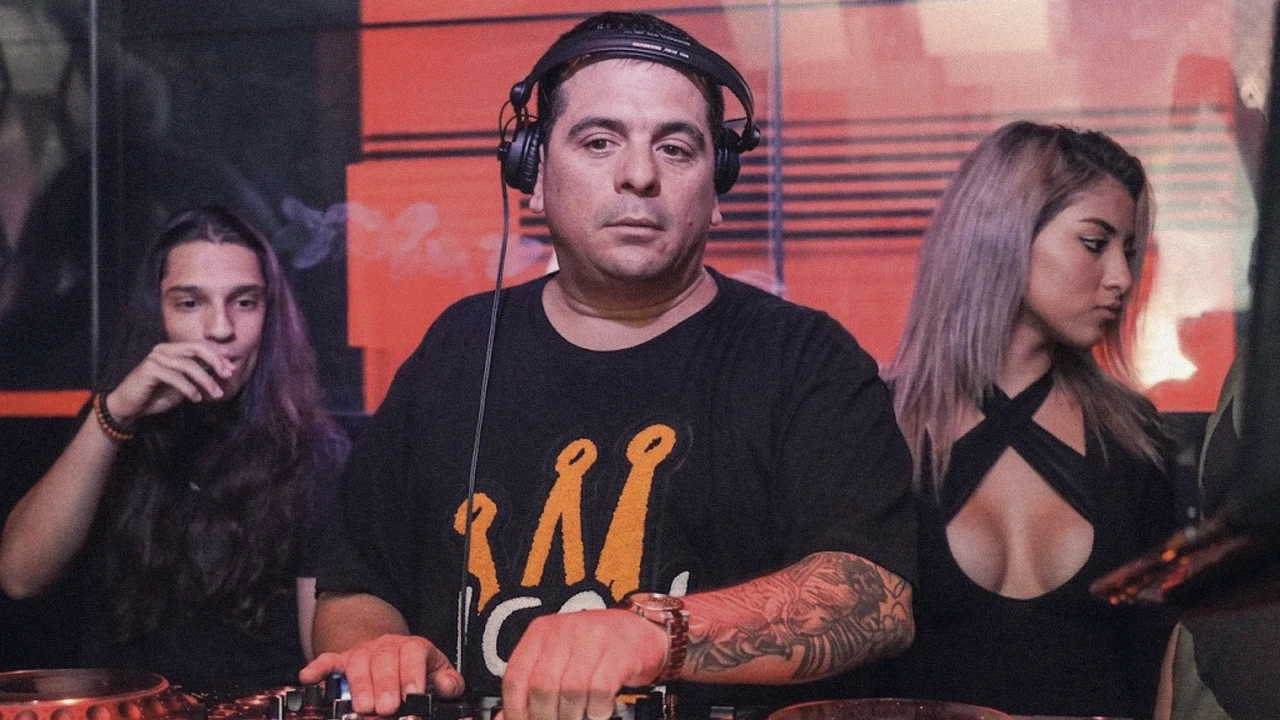
Popular Ibiza DJ Hugo Bianco Named Mastermind Of International Drug Trafficking Ring
JUN. 26 2026
Section
Read Time
Written By
[ EXCERPT ]
Operation Pertinax exposed a major transatlantic drug smuggling pipeline linked to electronic music artist Hugo Bianco. While a key logistics coordinator faces a long prison sentence, the prominent Ibiza DJ remains a fugitive in Florida.
Operation Pertinax exposed a major transatlantic drug smuggling pipeline linked to electronic music artist Hugo Bianco. While a key logistics coordinator faces a long prison sentence, the prominent Ibiza DJ remains a fugitive in Florida.
The global electronic music industry regularly interfaces with international logistical networks. These commercial routes provide natural cover for illicit transit. Consequently, international transport corridors are now heavily monitored by Homeland Security Investigations and European police forces.
This close intersection of touring schedules and cargo transport creates severe compliance risks for booking agencies. Enforcement actions are increasingly concentrated around major nightlife destinations. These geographic hotspots attract millions of seasonal tourists every year.
TL;DR: Spain’s High Court has confirmed a nine-and-a-half-year sentence for a logistical coordinator in a smuggling syndicate linked to DJ Hugo Bianco. The network trafficked synthetic drugs between Spain and Miami using airline couriers. Bianco remains a fugitive in Florida, illustrating the deep legal risks facing the global nightlife sector.
How did DJ Hugo Bianco construct a transatlantic pipeline?
High-profile touring artists move constantly across international borders. This mobility provides excellent cover for illicit logistical operations. Investigators state that DJ Hugo Bianco leveraged his booking schedules to build a dedicated transport route. He utilized professional music industry contacts to establish distribution hubs in Spain and the United States.
The smuggling strategy relied on commercial air travel. Couriers transported synthetic substances inside modified suitcases. These bags contained hidden compartments engineered to bypass airport screening. Operation Pertinax began tracking these shipments in October 2019 after identifying unusual cargo movements.

Why DJs Get Labeled as ‘Bad Partners’ in Pop Culture
Law enforcement executes coordinated bilateral raids
The joint investigation culminated in synchronized tactical entries. In August 2020, Spanish civil guards searched twenty-one locations across Ibiza, Barcelona, and Girona. Officers seized 38 kilograms of cannabis alongside synthetic drugs and cash at a villa in Ibiza. An occupant pointed a firearm at the tactical team before being disarmed.
Simultaneous raids took place in the United States. Federal agents focused on the primary distribution point in Florida. Investigators recovered 14 liters of liquid ketamine and thousands of ecstasy tablets from local properties. The coordinated strikes dismantled the network’s storage capacity on both continents.
Balearic courts confirm severe penalties for logistical operators
Spanish judicial bodies are imposing strict punishments. In June 2026, the Balearic High Court rejected a final appeal from a key syndicate member. The court upheld a nine-and-a-half-year prison sentence for the defendant. He managed housing, distributed operational cash, and prepped suitcases for the transatlantic couriers.
Judges ruled the wiretapped phone evidence legal and highly credible. In addition to prison time, the court confirmed a €3 million fine against the operator. The defendant must also pay restitution for bypassing the electrical grid at an indoor cultivation site.


How has Balearic drug enforcement evolved?
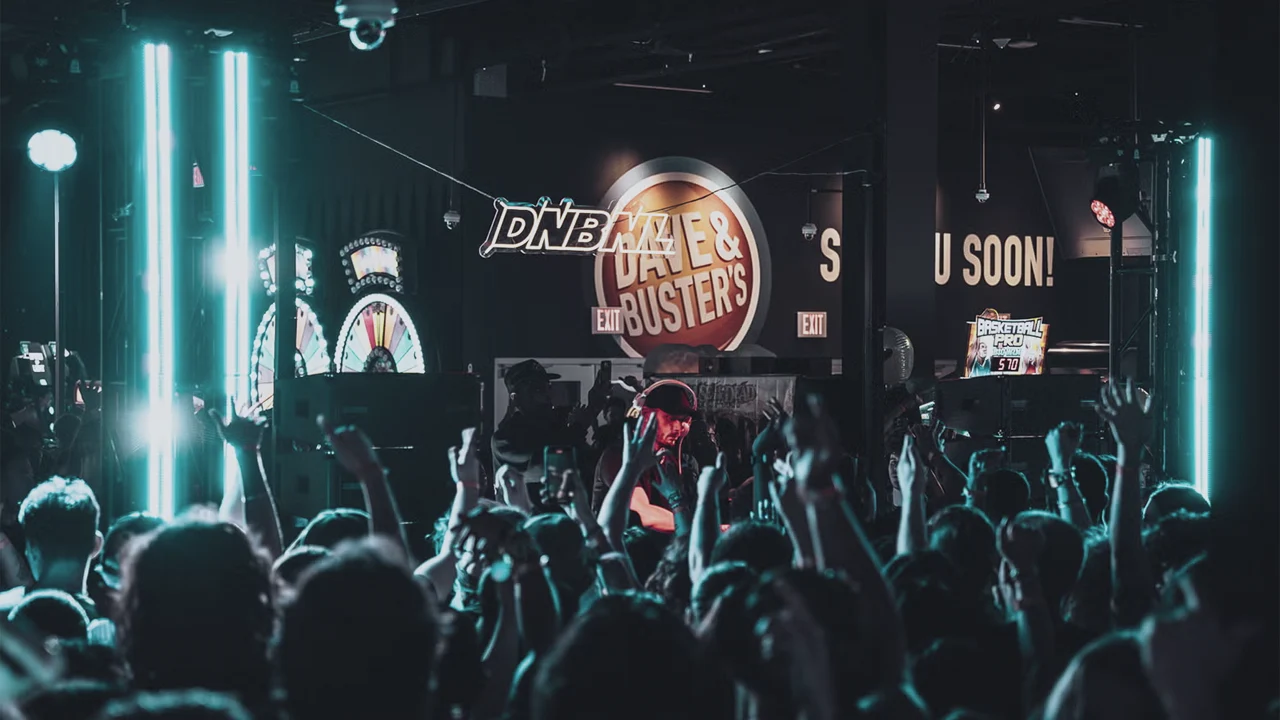
Historical enforcement programs focused heavily on localized distribution inside clubs. Undercover actions like the 2007 Amnesia investigation forced venues to implement strict self-policing policies. Over time, growing tourist demand drove syndicates to scale their logistics. Street-level dealing evolved into a complex international import trade.
Modern cartels now use commercial shipping corridors to transport bulk payloads. In early 2026, Operation Cocktail dismantled a maritime network smuggling 1,558 kilograms of cocaine using commercial mainland ferries. This industrial shift demonstrates how nightlife smuggling has transformed into a highly structured corporate enterprise.
Sources & Further reading
- Court upholds nine-year sentence in drug trafficking case linked to DJ Hugo Bianco: Recaps the High Court of Justice of the Balearic Islands confirming the convictions, fines, and logistics network mapped to DJ Hugo Bianco.
- Ibiza DJ alleged to be “mastermind” behind international drug smuggling operation: Outlines the timeline of Operation Pertinax, the properties searched, and the quantities of narcotics seized by law enforcement.
- Dismantled Criminal Organization Dedicated to Large-Scale Drug Trafficking in Ibiza: Details Operation Cocktail, marking the transition from air couriers to massive maritime routes carrying bulk contraband to the Balearic Islands.
- Spanish clubs protest innocence over closures: Provides historical context on the 2007 undercover sting operations targeting local consumption and distribution inside major Ibiza nightclubs.
What We Covered

- [2026.07.09] ./What Happened to the Pete Tong Missing Remix with John Summit?
- [2026.07.05] ./NOTDEADYET secures massive international festival debut in Manila
- [2026.06.16] ./YouTube Music Nights Brings the Album Release Party Back to Life
- [2026.06.16] ./Roger Sanchez releases Spectrum marking his first studio album in two decades
- [2026.06.13] ./8 Underrated Producers Who Made The Careers Of Superstar DJs