


 25
25
The Club as a Sanctuary: How Heavy Bass Music Quiets the Neurodivergent Mind
MAY. 16 2026
Section
Read Time
Written By
[ EXCERPT ]
For neurodivergent individuals, the chaotic environment of a pitch-black nightclub offers an unexpected psychological sanctuary. The relentless heavy bass music provides massive sensory stimulation that masks intrusive thoughts, regulates dopamine, and induces profound mental silence.
For neurodivergent individuals, the chaotic environment of a pitch-black nightclub offers an unexpected psychological sanctuary. The relentless heavy bass music provides massive sensory stimulation that masks intrusive thoughts, regulates dopamine, and induces profound mental silence.
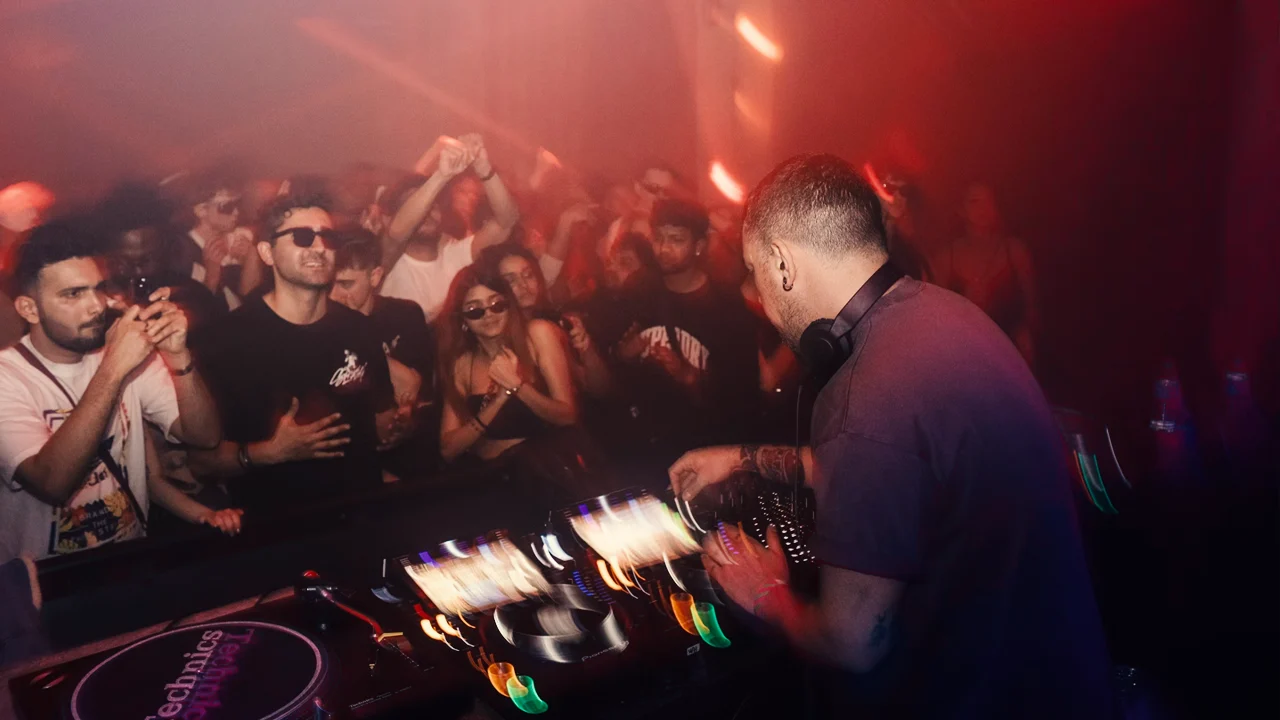
The club is not a place to be seen. It is a machine built to erase you. You step past the bouncer, and the heavy steel door shuts. Inside a pitch-black room, a 130 BPM kick drum violently rattles your ribcage. While this level of sensory assault induces panic for most, it triggers absolute mental silence for a specific subset of clubgoers.
A crowded dancefloor acts as an unexpected sanctuary for neurodivergent individuals navigating a loud world. The combination of intense volume and aggressive repetition provides profound psychological relief. Modern electronic music spaces leverage massive sound systems to quiet the overactive mind. This phenomenon bridges cognitive science and underground nightlife. A relentless bassline becomes the only thing that matters.
TL;DR: Heavy bass music and pitch-black club environments function as powerful therapeutic tools for neurodivergent people. By providing an overwhelming singular stimulus these safe spaces mask intrusive thoughts and regulate dopamine. Innovative promoters now actively design accessible venues to harness these neurological benefits safely without the pressures of traditional nightlife consumption.
What Happens When the Brain Encounters the Kick Drum?
Attention Deficit Hyperactivity Disorder leaves the brain starved for dopamine. This deficit sets off a frantic search for stimulation. People bounce between tasks and spiral into anxiety until electronic music delivers an artificial dopamine spike. The relentless rhythm acts as a neurological anchor, bathing the brain in complex rhythmic entrainment. This acoustic dopamine halts the endless mental chatter.
We can examine this through the theory of monotropism, where autistic individuals concentrate their attentional resources on a highly restricted number of stimuli. An unpredictable environment causes severe sensory overload. The club flips this dynamic entirely by providing one massive inescapable stimulus. This builds a functional sound cage. The cage filters out peripheral threats and allows the brain to finally rest.

8 EDM Artists Who Are Changing the World: From Fatboy Slim to David Guetta
The Acoustics of Survival Demand Absolute Surrender
Loudness serves a distinct utilitarian purpose. High-decibel sound acts as an acoustic firewall, making it physically difficult to think. This drowns out internal rumination for those suffering from intrusive thoughts. The CAALM model identifies this as a harmless release. Heavy music forces the brain to allocate all processing power to the immediate sensory environment.
The absence of light plays an equally critical role. Pitch-black rooms eliminate visual processing. You do not need to decode complex facial expressions or navigate fraught social dynamics. The neurodivergent brain sheds an immense cognitive load. It channels all remaining energy into the physical sensation of the subwoofers.
How Do Promoters Engineer Better Relief?
Traditional super-clubs often fail the communities they claim to protect. Late-night hours and aggressive strobe lights trigger the exact overstimulation neurodivergent people try to avoid. The conscious clubbing movement actively dismantles these barriers by building bespoke neuro-inclusive environments. Organizers remove the toxic variables of alcohol consumption and forced social proximity.
Disco Neurotico stands at the forefront of this shift, reimagining the rave for the neurodivergent community. Organizers swap out monolithic PA systems for multi-channel silent discos, allowing attendees to choose between heavy bass or calming ambient noise. The organizers also establish clear schedules. Guests arrive early to explore the physical space and ask questions before the music starts.
This meticulous design preserves the communal joy of club culture while systematically eliminating vectors of anxiety. Similar efforts exist beyond the dancefloor. A recent community program provides technical DJ training to vulnerable populations. These programs prove that electronic music culture holds immense therapeutic value.

The Dancefloor Operates as a Post-Industrial Temple
The modern club shares deep anthropological DNA with ancient trance states. Aristotle recognized the cathartic power of rhythm thousands of years ago. Today the heavy bassline replaces the tribal drum. Participants engage in synchronized movement to experience transformative states detached from societal constraints. The ego dissolves under the weight of the kick drum.
This dissolution is rarely a destructive force. The rigid self is often built around trauma and the exhausting requirement to mask atypical traits. Stripping away that mask allows for profound collective oneness. The music demands your presence. You stop performing for external validation and exist entirely in the moment.
Artist Pythius highlights the biological trap of untreated attention deficits. He notes, “If your brain can’t find dopamine, it’ll focus on cortisol, the stress hormone, because it’s so similar.” The club environment provides the necessary dopamine to break this cycle.
The underground space remains a highly sophisticated acoustic technology. It offers a fleeting but vital reprieve from a world that refuses to lower its volume. Promoters and DJs are slowly waking up to the therapeutic power they wield. They hold the blueprint for radical inclusivity. The pitch-black room will continue to serve as a vital refuge for the overactive mind.
Sources & Further Reading
1. The Biological Engine: ADHD & Dopamine Deficits
At a neurological level, Attention Deficit Hyperactivity Disorder (ADHD) is fundamentally linked to a deficiency in baseline dopamine levels. The brain naturally attempts to self-regulate this deficit by seeking out external stimulation.
- The 130 BPM Focus: The highly predictable, repetitive rhythms of electronic music—frequently anchored around a consistent 130 BPM tempo baseline—provide a steady stream of sonic anticipation and resolution. This consistent stimulation satisfies the brain’s craving for input, allowing it to quiet background noise and achieve deep focus.
- The Cortisol Trap: The process of trying to force focus without external stimulation can be biological quicksand. As drum and bass artist Pythius notes on navigating ADHD in the studio: “If your brain can’t find dopamine, it’ll focus on cortisol, the stress hormone, because it’s so similar. The only way through, at that moment, is just to keep going.”
2. Cognitive Defense: Monotropism & The CAALM Model
Electronic music’s structural density makes it an effective tool for managing cognitive overload and intrusive thoughts.
- Monotropism: This psychological framework suggests that autistic individuals tend to dedicate their cognitive resources to a highly restricted number of stimuli at any given time. The immersive nature of a club sound system acts as a singular, overwhelming focus point that consumes the entire attentional tunnel, temporarily pausing external anxieties.
- The CAALM Model: This cognitive model outlines how individuals use high-volume music as an intentional, controlled distraction to mask intrusive, chaotic thoughts. Rather than causing distress, the sheer physical volume of the sound wall isolates the mind, prompting neurodivergent participants to testify: “It’s just escapism…”—providing an accessible form of profound psychological relief.
3. Architectural Adaptation: Disco Neurotico
Traditional nightclubs—with unpredictable crowds, aggressive strobe lights, and claustrophobic layouts—frequently cause sensory burnout. In response, innovative event organizers are completely rewriting the club architecture.
Disco Neurotico, an inclusive club night hosted at London’s Southbank Centre, is explicitly designed to dismantle these sensory barriers for the “nervous and neurospicy” community.
[9:00 PM: Doors Open] ──> Acclimatization, explore calm spaces, gaming zones[9:15 PM: Warm-up] ──> Inclusive, non-compulsory physical grounding warm-up[9:30 PM: DJ Sets] ──> Multi-channel silent disco (Rave, Groove, Ambient)
The night utilizes a strict, predictable schedule to eliminate navigational anxiety. Guests arrive at 9:00 PM to map out the space and explore chill-out areas before a guided 9:15 PM warm-up helps attendees ground themselves before the music begins via multi-channel silent disco headphones.
4. Clinical & Historical Catharsis
- Fatboy Slim’s Funded DJ Workshops: This therapeutic integration is moving straight into community healthcare. Programs like Fatboy Slim’s funded DJ workshops utilize the technical, tactile, and creative steps of mixing music as an active intervention framework for individuals managing severe mental illness, building community and executive function through sound.
- The Ancient Continuum: Using rhythm as medicine is far from a modern trend. Over two thousand years ago, Aristotle explored the cathartic power of rhythm and harmony, documenting how specific musical frequencies could purge emotional blockages and restore psychological equilibrium to the human body.
What We Covered

- [2026.07.15] ./Dave & Buster’s Launches National Rave Tour to Boost Late-Night Traffic
- [2026.07.11] ./Las Vegas Free Nightclub Entry: How the LVCVA 21st Birthday Program Works
- [2026.07.10] ./Nothing challenges tech industry stagnation with its grassroots Club Nothing initiative
- [2026.07.05] ./&Friends Festival 2026 proves Philippine ravers are ready for global dance music scale
- [2026.06.30] ./How DJ Alok Uses Ancestral Music to Fund Real-World Amazon Reforestation