 28
28
How to Curate Multi-Genre Electronic Music Festival Lineups
MAR. 31 2026
Section
Read Time
Written By
[ EXCERPT ]
Learn exactly how organizers program massive electronic music events. This guide explores the deep philosophy of cohesive curation, managing dancefloor energy, mapping tempo progression, and utilizing local resident performers to build a perfectly unified experience.
Learn exactly how organizers program massive electronic music events. This guide explores the deep philosophy of cohesive curation, managing dancefloor energy, mapping tempo progression, and utilizing local resident performers to build a perfectly unified experience.
The modern electronic music event is often a bloated beast. Industry cash continues to flood the market, leading organizers to cram as many big-font names onto a flyer as physically possible. The result is usually a disjointed mess. Yet, when programmed correctly, a sprawling ten-act bill becomes a unified piece of performance art. What is the goal of programming a ten-artist electronic music event? The goal is to build a cohesive auditory arc that actively manages crowd energy from the gentle opening act to the peak headliner and the emotional closing set. Doing this requires a ruthless curatorial vision.
How Do Organizers Unify Different Electronic Styles on a Single Stage?
Historically, dance subcultures stayed in their own corners. House heads stayed in the basement. Bass kids clung to the warehouses. Today, the prevailing ethos is the Big Tent approach, which deliberately throws disparate styles under a single canopy. This broadens the demographic reach but risks alienating everyone if the programming lacks focus.

To unify different styles, curators must establish a clear, mission-driven aesthetic that dictates every booking decision. A tasteful curator ensures that every artist shares an underlying emotional language, regardless of their specific classification. If the overriding mood is dark and industrial, the booking agent must ensure the techno, the electro, and the experimental bass acts all feed into that specific dread. The objective is to build trust. Attendees learn to rely on the curator’s taste rather than just showing up for a recognizable logo.
What Is the Proper Etiquette for an Opening Performer?
The most offensive crime committed at any electronic gathering is the amateur opener who redlines the mixer to an empty room. It is a desperate plea for attention that exhausts the arriving crowd and ruins the physical momentum of the night.
Opening acts must exercise extreme psychological restraint by sticking to lower energy tracks, avoiding familiar pop vocals, and strictly refusing to play the headliner’s known catalog. Their job is to facilitate socialization and slowly turn up the heat. High energy is reserved exclusively for the prime slots. These peak moments deliver maximum impact precisely because the crowd was forced to wait for them. If everything is turned up to maximum volume from the moment the doors open, the entire event flatlines into a monotonous blur.

Age-Restricted 30+ Raver Clubs Are Popping Up
What Is the Standard Tempo Progression for a Varied Electronic Event?
A tasteful, ten-act flow relies on a strict mathematical progression. You cannot throw a heavy bass act directly after an ambient groove without causing severe whiplash. Organizers must map the beats per minute to the chronological schedule.
A tasteful flow typically begins with groove-oriented music at 120 to 125 beats per minute, escalates to driving rhythms around 130 to 135 beats per minute, and bridges into heavily syncopated styles at 140 beats per minute or higher. House music, with its steady four-on-the-floor kick drum, provides the perfect foundational warmth. As midnight approaches, the tempo naturally shifts upward into the sharp, metallic percussion of techno. The true test of a curator lies in bridging the gap between steady rhythms and the fractured, half-time violence of trap or heavy dubstep.
How Do Performers Transition Between Vastly Different Tempos and Styles?
The actual handover between performers is where the illusion either holds or shatters entirely. When the bill features wildly different tempos, a standard beatmatch is completely useless. The incoming track will distort horribly if pushed too fast or dragged too slow.
Skilled performers utilize ambient breakdowns, heavy delay effects, and isolated vocal loops to mask drastic tempo shifts and maintain the groove. A savvy performer might use a massive reverb wash to completely drown out the outgoing track, holding the crowd in suspense before dropping a completely different rhythm exactly on the downbeat. It is an auditory sleight of hand. When executed flawlessly, the crowd shifts their physical movement without ever realizing the underlying math just changed completely.
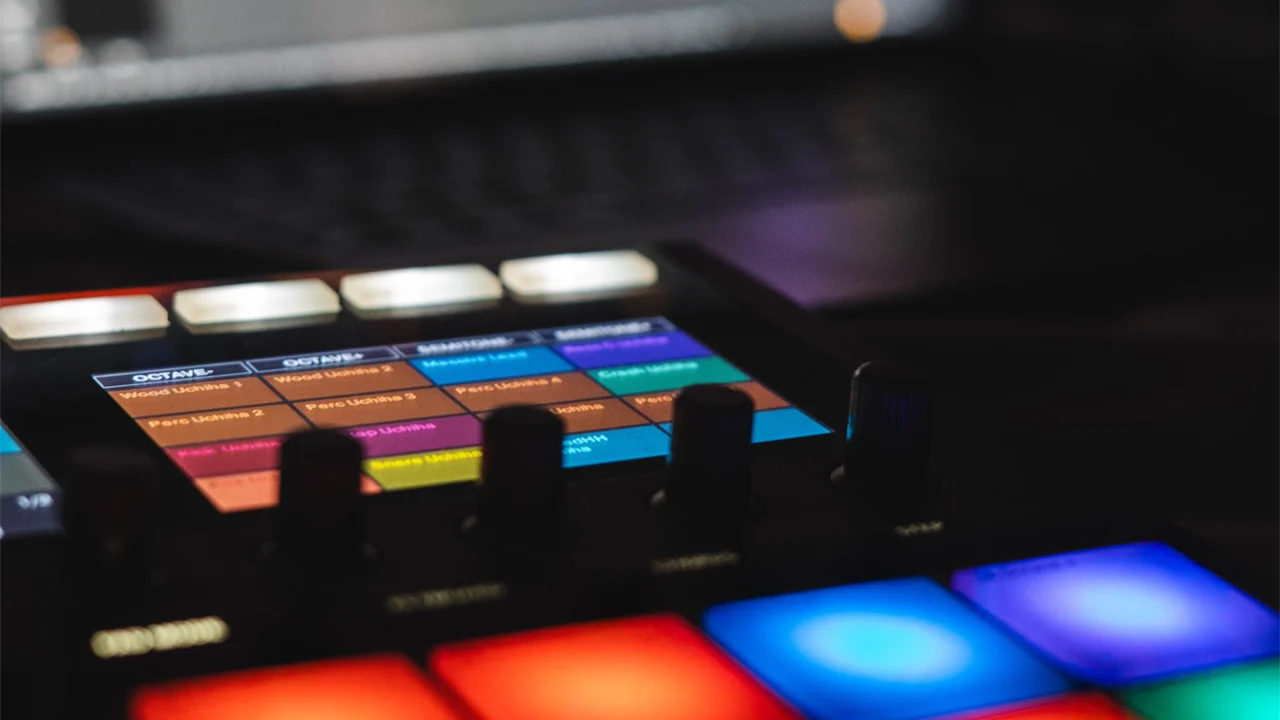
Why Are Local Resident Performers Critical to a Massive Festival Lineup?
Running a single stage for twelve hours is a logistical nightmare. Equipment must be swapped. Wires must be re-patched. A standard twenty-minute changeover requires militaristic precision from the stage crew. This is where the local talent becomes absolutely vital to the survival of the production.
Resident artists act as essential palate cleansers who understand the venue acoustics, safely reset the crowd energy between major headliners, and protect the sound system from distortion. Booking agents obsess over the massive international acts, but the local resident acts as the structural glue. They possess the localized crowd-reading ability required to execute difficult pivots safely. They can stretch a set if a flight is delayed or bring the room back down to earth after a punishing peak-time set.
Curating a massive event is an exercise in tension. It requires balancing artistic ego against the physiological limits of the human body. The promoters who understand this delicate balance build legacies. The rest just throw expensive noise into the dark.
Why Should You Support the Local Event Maker?
Someone has to decide to organize something cool, or nothing interesting ever happens. Independent local promoters are the absolute lifeblood of any modern music scene. They take on massive financial risks for no other reason than wanting to attend a great show in their own community. Throwing a massive party is a thankless job that usually ends with a laughing bank account. If you want a healthy cultural ecosystem that champions emerging talent rather than just rotating the same five massive headliners, you must support the people doing the ground work. Buy the ticket early. Attend the opening sets. Show up for the local organizers who put everything on the line to make the music happen.
Sources & Further Reading
Performance & Etiquette
- The Warm-Up: Mastering the warm-up set by avoiding “banging out” too early; prioritizing the night’s flow over personal spotlight.
- Career Growth: Building a foundation through local residencies and emerging artist slots.
- Curation: Defining a multi-genre “Big Tent” mission to maintain a cohesive event identity.
Technical Workflow
- Library Management: Organizing playlists by energy rather than just genre for better crowd control.
- Gain Staging: Critical importance of avoiding redlining to prevent audio distortion and gear damage.
- Multi-Genre Mixing: Utilizing BPM standards and specialized transition techniques to blend disparate genres seamlessly.
- Live Logistics: Navigating high-pressure festival changeovers with minimal setup time.

- [2026.07.11] ./Las Vegas offers free nightclub entry to birthday guests and their friends
- [2026.07.10] ./Nothing challenges tech industry stagnation with its grassroots Club Nothing initiative
- [2026.07.05] ./&Friends Festival 2026 proves Philippine ravers are ready for global dance music scale
- [2026.06.30] ./How DJ Alok Uses Ancestral Music to Fund Real-World Amazon Reforestation
- [2026.06.27] ./Tomorrowland Thailand 2026 lineup sparks intense debate among dance music fans