


 64
64
Rave Family Psychology: Why We Trust Strangers in the Dark at EDM Festivals
APR. 30 2026
Section
Read Time
Written By
[ EXCERPT ]
The modern rave family thrives on sleep deprivation, heavy bass weight, and functional anonymity to forge intense, temporary bonds. Discover why you might know a festival companion and their past but not their Tuesday profession.
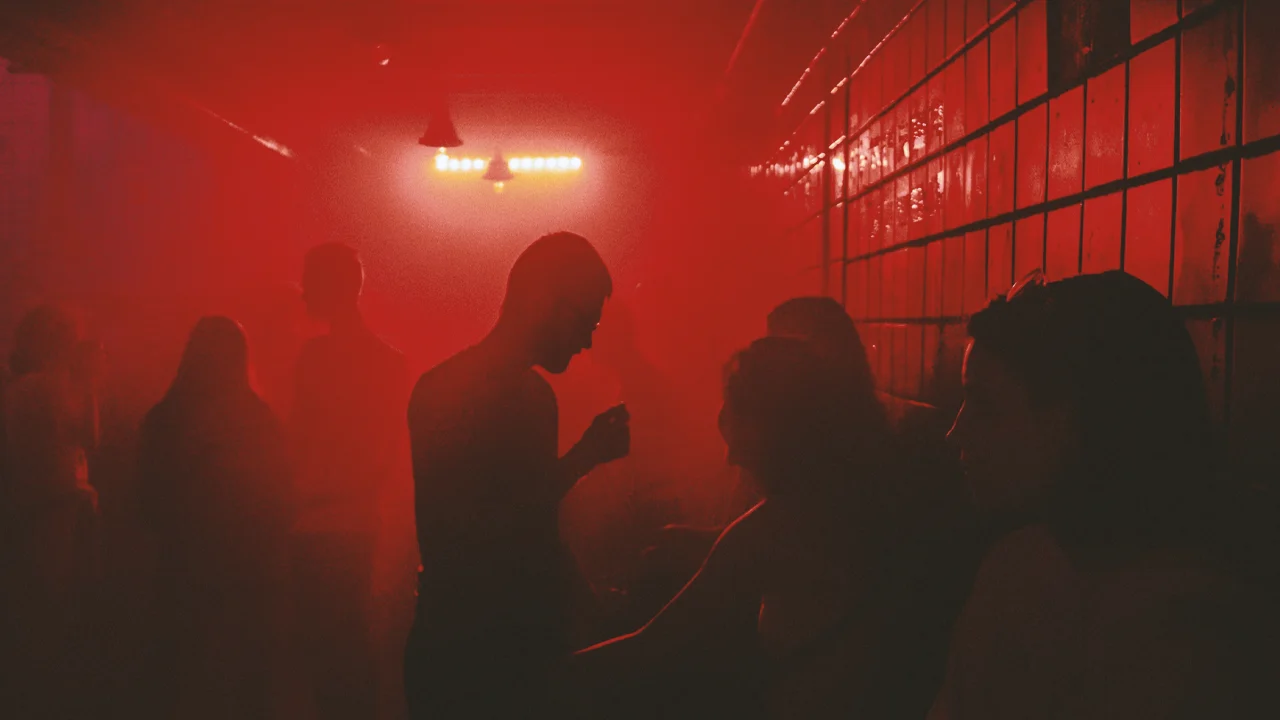
It happens right around 5:30 AM. You sit on the muddy floor of a festival tent while the bass weight rattles your teeth. You listen to a person you met three hours ago cry about their childhood trauma. You know exactly how they react to severe sleep deprivation. You have absolutely no idea what they do for a living on a Tuesday.
TL;DR: The rave family is a highly compartmentalized friendship built on sleep deprivation, heavy bass weight, and functional anonymity. These specific midnight bonds prioritize shared emotional survival over daylight identities. While corporate festivals continually commodify this fleeting intimacy, the post-weekend crash reveals the psychological toll of treating strangers like lifelong therapists.
This is the core of the rave family. Electronic dance music culture breeds a highly specific type of compartmentalized friendship. These social units exist entirely between midnight and the sunrise set. They bypass the slow crawl of civilian friendships. Instead of asking about career goals or hometowns, ravers bond over shared survival. You navigate grueling logistics, massive crowds, and heavy gear to forge immediate loyalty.
Why Do We Trust Strangers In The Dark?
Civilian friendships take months to solidify. They rely on shared offices or mutual acquaintances. Rave connections reject all of that. For modern ravers, the dancefloor operates as a temporary autonomous zone where mundane rules simply disappear. Leaving your professional title at the gate is a requirement. It strips away class markers.
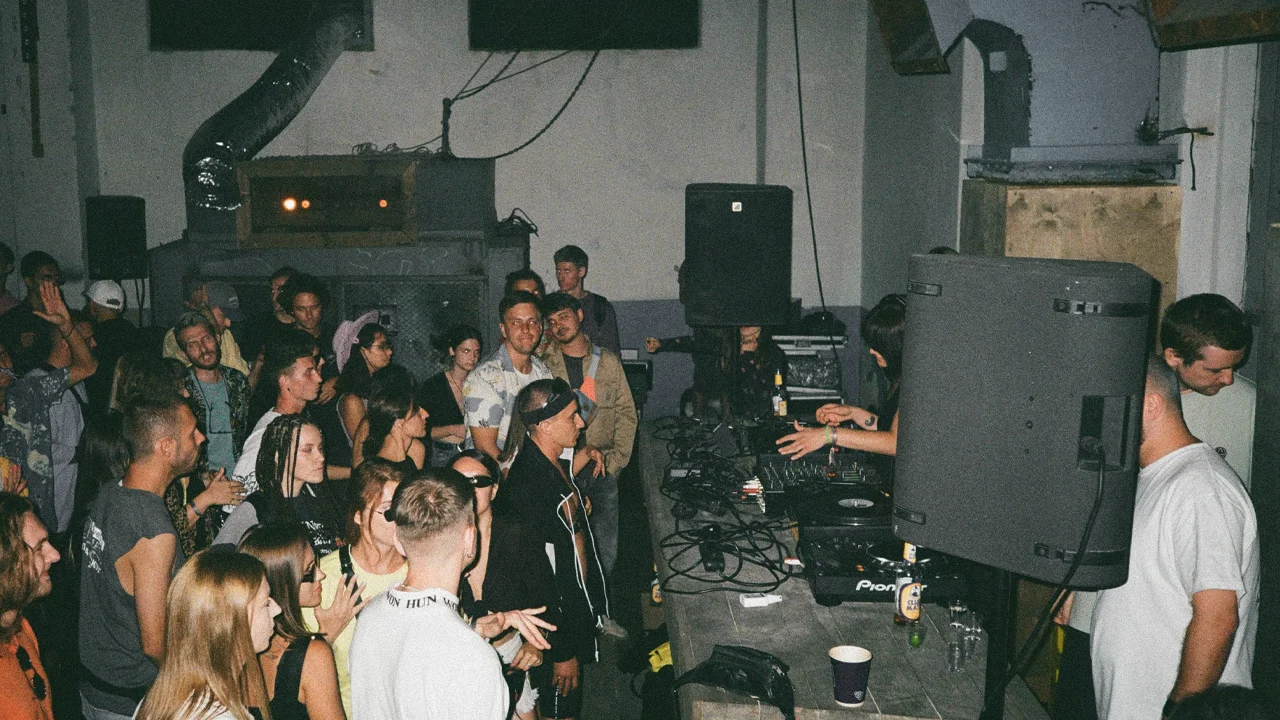
This environment weaponizes functional anonymity. When the 140 BPM kicks drop, you become a nameless body. That lack of identity feels incredibly safe. Participants willingly expose their rawest nerves to people who will vanish by morning. Your new friend cannot use your secrets against you in a corporate boardroom. They only exist to hand you a water bottle and listen.
Why Community Matters More Than Profit in Electronic Music
The Chemistry And Crowd Physics Of Instant Kinship
The intensity of these relationships relies on strict physical conditions. Anthropologists point to four specific triggers. Repetitive drum patterns synchronize movement while exhaustive dancing breaks down physical boundaries. Psychedelic substances dissolve the ego, and severe sleep deprivation lowers every cognitive defense.
The sheer scale of the environment forces dependency. When you navigate a massive festival ground at 4 AM, the crowd physics can turn dangerous instantly. You must rely on your group to stay upright. This shared physical trial accelerates the bonding process.
“We’re still responsible to each other, like trying to make sure we find each other again as a group.”
Surviving the night requires blind trust. The people pulling you out of a suffocating crowd are not just party acquaintances. They become temporary guardians.
Is It Emotional Bonding Or Just Trauma Dumping?
The line between radical vulnerability and psychological extraction gets blurry fast. Stripping away social filters allows for beautiful moments of connection. It also opens the floodgates for unregulated emotional offloading.
This is the reality of trauma dumping in the modern scene. People use the cover of community to unleash severe emotional baggage onto entirely unequipped listeners. A teenager high on empathogens is not a licensed therapist. Absorbing that level of pain causes extreme psychological hangovers. A deeper look at why unregulated behavior drains the scene reveals how fast this dynamic burns out.
Corporate Brands Sell The Belonging
Event promoters noticed how ravers form this intense tribal loyalty a long time ago. Massive corporate entities now package and monetize the rave family dynamic. They do not just sell tickets to hear DJs play records. They sell the promise of instant community.
Insomniac Events pushes the philosophy that “You Are The Headliner” to validate the crowd. It shifts the focus from the stage to the audience. Tomorrowland took this commodification a step further. They embedded RFID chips into wristbands to force digital connection. Pressing a heart-shaped button on the bracelet automatically sent a Facebook friend request to the person standing next to you.
These technological tricks rarely work long-term. Forcing a sacred 4 AM connection into the daylight ruins the magic. Seeing your rave friend post about their mundane office job shatters the illusion. The compartmentalization is what makes the bond special.


What Happens When Tuesday Arrives?
The physical toll of the weekend eventually demands payment. The Tuesday blues arrive with brutal efficiency. Serotonin levels crash, and people struggle to transition back into their structured weekday lives. As one classic film famously summarized the comedown, “What goes up must come down, and down, and down.”
To cope with the crash, the rave family migrates to digital spaces. The group chat becomes a permanent tether. It acts as a sanctuary where members maintain their weekend personas without asking for resumes. The civilian world stays out. They keep logging in to survive the week, silently counting the hours until the sun sets again.
Sources & Further Reading
The Chronology of the Night
- The Launch (Midnight): Traditionally the start of the “core” rave timeframe, midnight marks the transition from pre-party anticipation to the peak intensity of the dancefloor.
- The High-Risk Phase (4:00 AM): Research identifies this as a critical window for crowd physics and safety, as exhaustion begins to compete with high-energy output.
- The Connection (5:30 AM): As the music often shifts toward melodic or atmospheric textures, this post-rave exhaustion phase fosters deep social bonding and reflection.
- The Climax (Sunrise): The Sunrise Set serves as the spiritual end of the event, providing a shared transition back to the “real world.”
Modern Festival Ecosystems
- Marketing Philosophy: Insomniac Events redefined the fan-artist relationship with the slogan “You Are The Headliner,” prioritizing the attendee’s experience over individual DJ celebrity.
- Social Tech (Tomorrowland): To bridge digital and physical worlds, Tomorrowland implemented RFID “Social” Wristbands. Attendees could press a heart-shaped button on their bracelets while standing near a new friend to automatically send a Facebook friend request.
- Sustainable Logistics (2026): By 2026, Tomorrowland Winter integrated RFID technology into smart reusable cups, allowing deposits to be automatically refunded to the original payer’s wristband, eliminating bar queues.
The Aftermath
- The “Tuesday Blues”: The psychological dip following a high-energy weekend (often attributed to serotonin depletion) is widely documented as Tuesday Blues, a cultural and physiological return to civilian life.
- Physical Totality: The constant 140 BPM pulse of modern electronic music acts as a physical engine for these communities, driving a culture that values rhythmic endurance as much as artistic expression.
What We Covered

- [2026.07.05] ./&Friends Festival 2026 proves Philippine ravers are ready for global dance music scale
- [2026.06.30] ./How DJ Alok Uses Ancestral Music to Fund Real-World Amazon Reforestation
- [2026.06.27] ./Tomorrowland Thailand 2026 lineup sparks intense debate among dance music fans
- [2026.06.23] ./Why Do Modern Club Promoters Prioritize Viral Reach Over DJ Mixing Skills?
- [2026.06.17] ./From Dubstep to Global Pop: Oliver Tree and His Best Dance Music Features