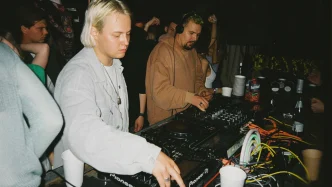


We are currently living through the most performative era of the club experience. Between the curated chaos of TikTok transitions and the commodification of the superstar DJ persona, something vital has been lost in the fog. It is the functional reality of being a working-class club DJ. The booth is less a cockpit for crowd control and more a pedestal for personal branding. When the dust settles and the lights in the main room go up, what does the job actually entail?
The modern industry promotes a lifestyle of excess that often masks a difficult internal experience. For those navigating the grind of residencies and late-night sets, the pressure is immense. Research shows the reality behind the decks is often far from the glamour marketed by social media brands. A massive study regarding DJ mental health notes the toll taken by irregular schedules and high-pressure environments. Understanding this balance is the first step toward reclaiming the craft.
TL;DR: Club DJing is a service profession, not an artistic performance. Success depends on crowd control, reading the room, and maintaining energy levels rather than showcasing personal taste. Professionals prioritize the venue’s needs and stable income over ego. This shift keeps the scene sustainable and prevents burnout in a demanding nightlife economy.
Why is the venue the boss?
There is a modern misconception that the club is a blank canvas for your personal sonic manifesto. It is not. When a venue hires you, you are a contractor. You are not a headliner at a festival. Your primary mandate is to keep the room breathing. You are there to facilitate the energy. You are not there to dictate it.
If the crowd is not dancing, the first instinct of the ego-bruised DJ is to blame the tasteless room. What is even worse is that these same DJs often turn to their feeds to complain online about why people are not dancing. They post clips of a dead floor to frame themselves as martyrs for real music. In reality, they are just highlighting their own inability to do the job they were paid to do. By airing these grievances, they are not just looking like amateurs; they are actively sabotaging their own professional reputation with the very people who cut the checks.
When you are on the clock, your taste takes a backseat to the room. The goal is to make people feel comfortable enough to drink, talk, and move. If they are doing that, you have done your job.
Are you just background noise?
It is a tough pill to swallow for the aspiring influencer DJ. But the vast majority of patrons are there for the social environment of the club. They want the drinking and the post-work decompression. If you enter a shift expecting a rapt audience hanging on every transition, you are setting yourself up for failure.
When you detach your self-worth from the crowd engagement, you become a better DJ. You stop competing with the room vibe. You start aligning with it. You are not the main character. You are the soundtrack to their night.

The rinse and repeat reality
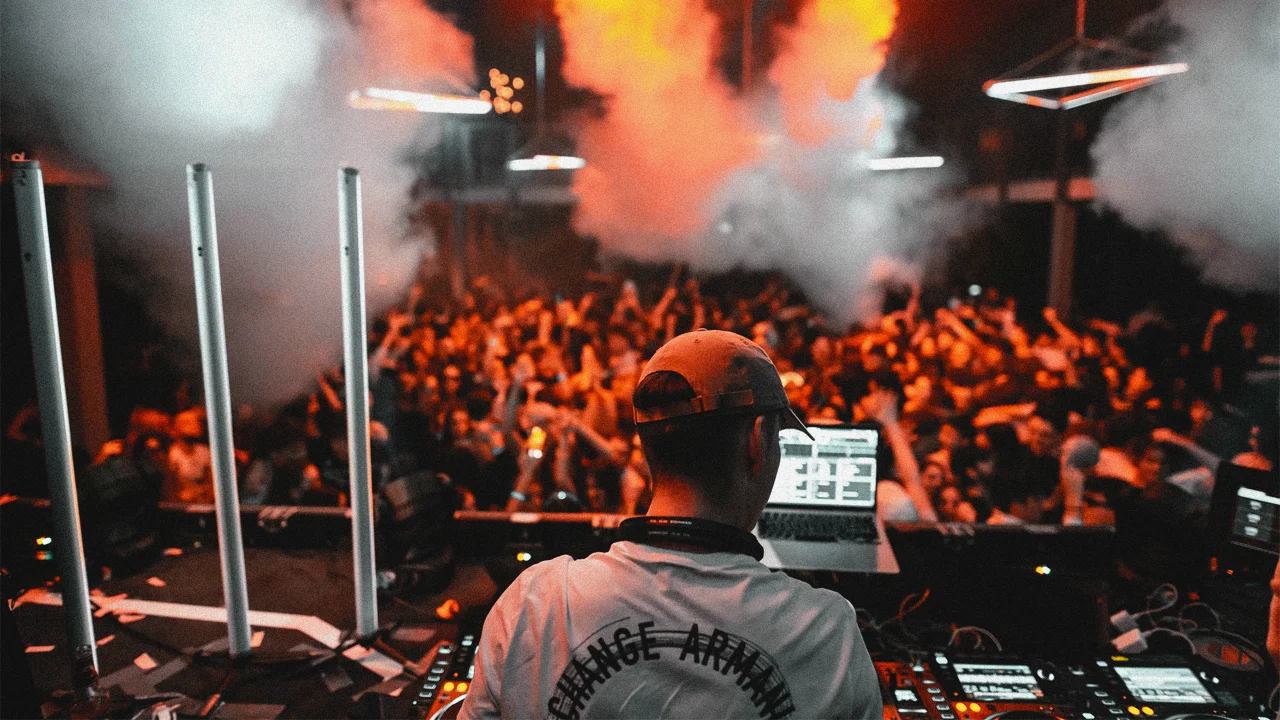
Let us talk about the transactional nature of the trade. It is the unglamorous underbelly of the nightlife economy. Get the gig. Hold the floor. Get paid. Move on. This is not cynical. It is sustainable.
The industry is full of burnout. It is fed by the delusion that every set must be a career-defining moment. Sometimes, a gig is just a gig. Treating it as a professional service allows you to keep your creative fires burning for the projects that actually matter. Stop exhausting yourself trying to turn a Tuesday night crowd into a rave.
Are you a curator or an alignment specialist?
If you have a unique sound or are a high-level specialist, you have entered a different arena. But for the generalist playing mainstream venues, the demand for versatility is a feature. It is not a bug.
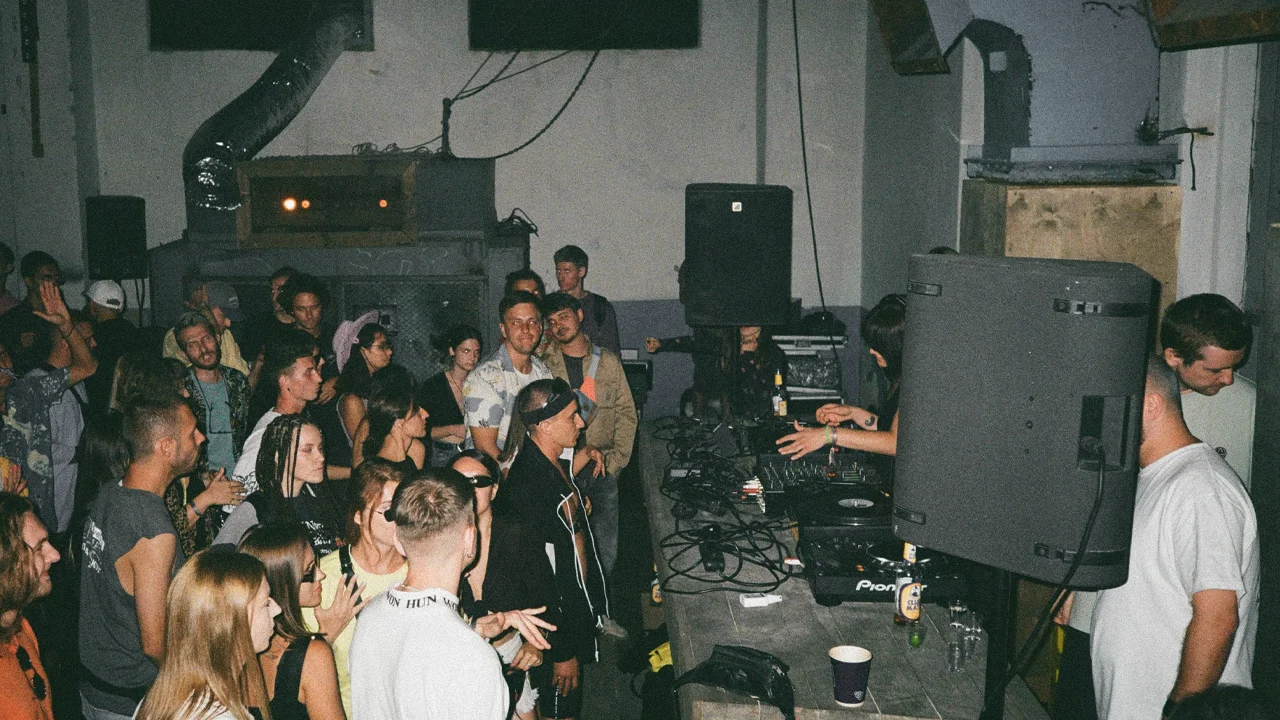
The DJs complaining that nobody is dancing while playing niche records at 1 AM are misreading their environment. If you insist on playing only what you want, you do not get to complain about the silence. As one veteran club owner noted during a shift change, the floor does not lie. It tells you exactly what it needs if you bother to listen.
Knowing which lane you occupy determines your longevity. The myth of the superstar DJ will continue to circulate online. But in the dim light of a local basement club, the only thing that matters is the people in front of you. Focus on them and the rest will follow.