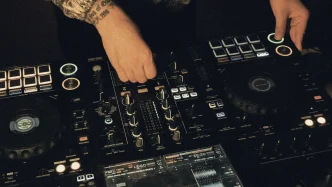

The bass hits your chest like a physical weight. You stand in a dark warehouse surrounded by a sea of sweating bodies. A DJ triggers a drum machine at 130 beats per minute. This is the physical reality of the electronic dance music underground. It is a world built on repetition and release.
The Long and Short of It
Electronic dance music subculture involves active participation rather than passive consumption. Dedicated participants adhere to specific etiquette and a foundational ideology known as PLUR. As corporate promoters commercialized the scene into massive stadium events, a persistent underground community continues preserving the original do-it-yourself ethos and protective safety networks.
Rave culture emerged from marginalized neighborhoods in Chicago and Detroit during the 1980s. Gay, Black, and Latino youth organized a community around relentless 4/4 rhythms. It crossed the Atlantic and collided with the UK acid house scene. What began as an unlicensed gathering in abandoned urban decay transitioned into a multi-billion-dollar global entertainment industry. The cultural expectations shifted significantly along the way.
Tomorrowland is Hiring for 2026: Land Your Dream Job in Festival Production
What Does It Take to Earn Subcultural Capital?
Attendance alone does not grant someone the status of a true raver. Subcultural capital serves as the currency of the underground. Participants earn it through inside knowledge of obscure white-label vinyl presses and navigating unpermitted sound systems. The environment often dictates the hierarchy.
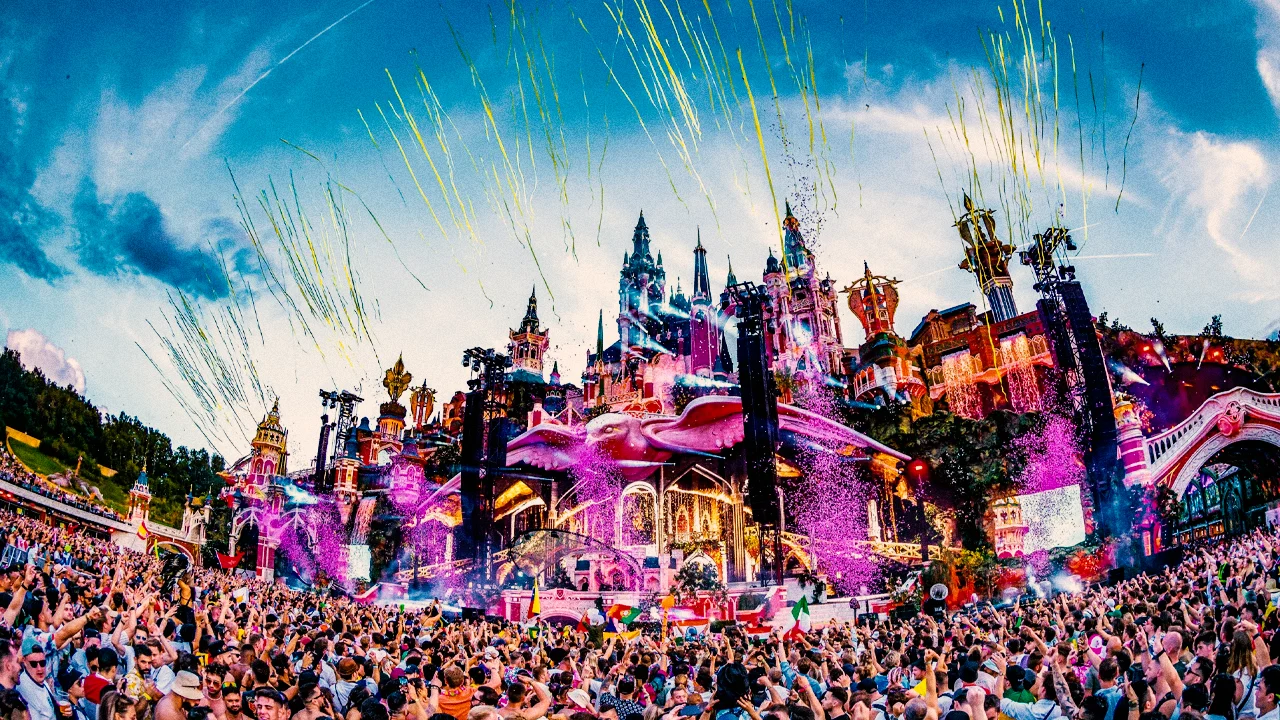
Mainstream festival attendees flock to massive LED stages and CO2 cannons. They buy tickets to see stadium superstars. In contrast, core contributors embed themselves in exclusive performance networks. Many veterans view high-profile commercial success as a departure from the movement’s authentic roots. They actively seek out dark rooms and minimal lighting instead.
The Hipster Paradox and Subgenre Tribalism
Subgenres often act like tribal markers. The divide between atmospheric UK dubstep and aggressive North American brostep caused significant friction within the community. Purists viewed the influx of new fans as a disruption to established norms. This dynamic altered the atmosphere on the dancefloor.
Veteran participants argue this protective stance provides necessary quality control. Without baseline behavioral criteria, they fear the culture risks losing its core identity. This breeds a fascinating dynamic. Many sociologists and fans observe that electronic music has a gatekeeping problem, but it’s not what you think. It functions more as a mechanism to preserve etiquette rather than just empty elitism.
How Did a Bronx Fight Birth a Global Manifesto?
The ideology of PLUR stands for Peace, Love, Unity, and Respect. It operates as the unwritten law of the dancefloor. DJ Frankie Bones formalized this concept during the notorious Storm Raves in New York City. The scene experienced incredible tension in the early 1990s.
A massive fight broke out during a 1993 set in the Bronx. Bones stopped the music and delivered a legendary ultimatum.
“If you don’t start showing some peace, love, and unity, I’ll break your faces”.
A scene participant named Laura La Gassa later added the component of Respect. The mantra became permanent. It transformed an unpredictable warehouse scene into a highly structured community.
PLUR for Sale: Has Rave Culture Lost Its Meaning?
The Physical Reality of Kandi and Crowd Physics
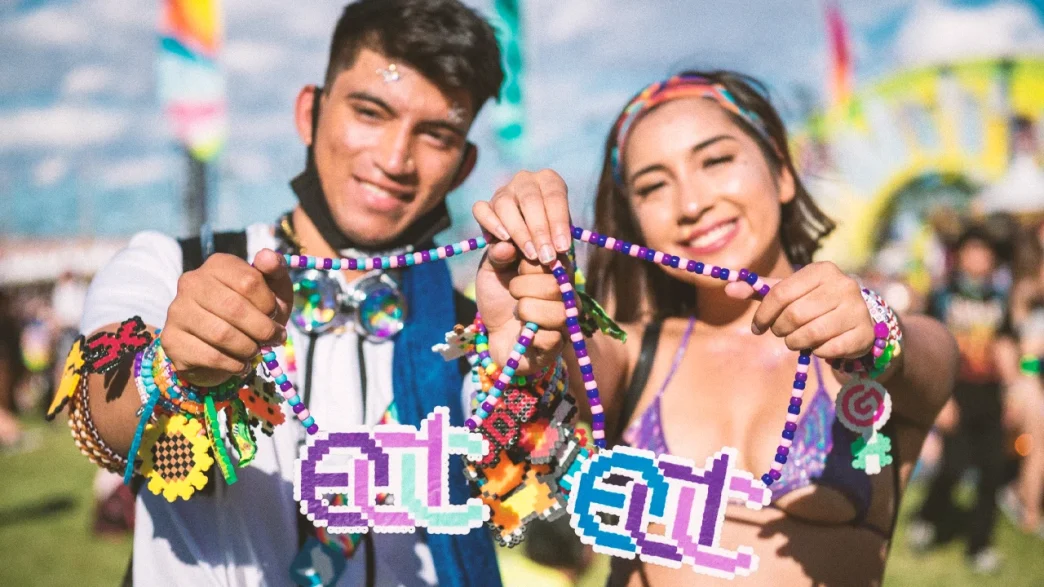
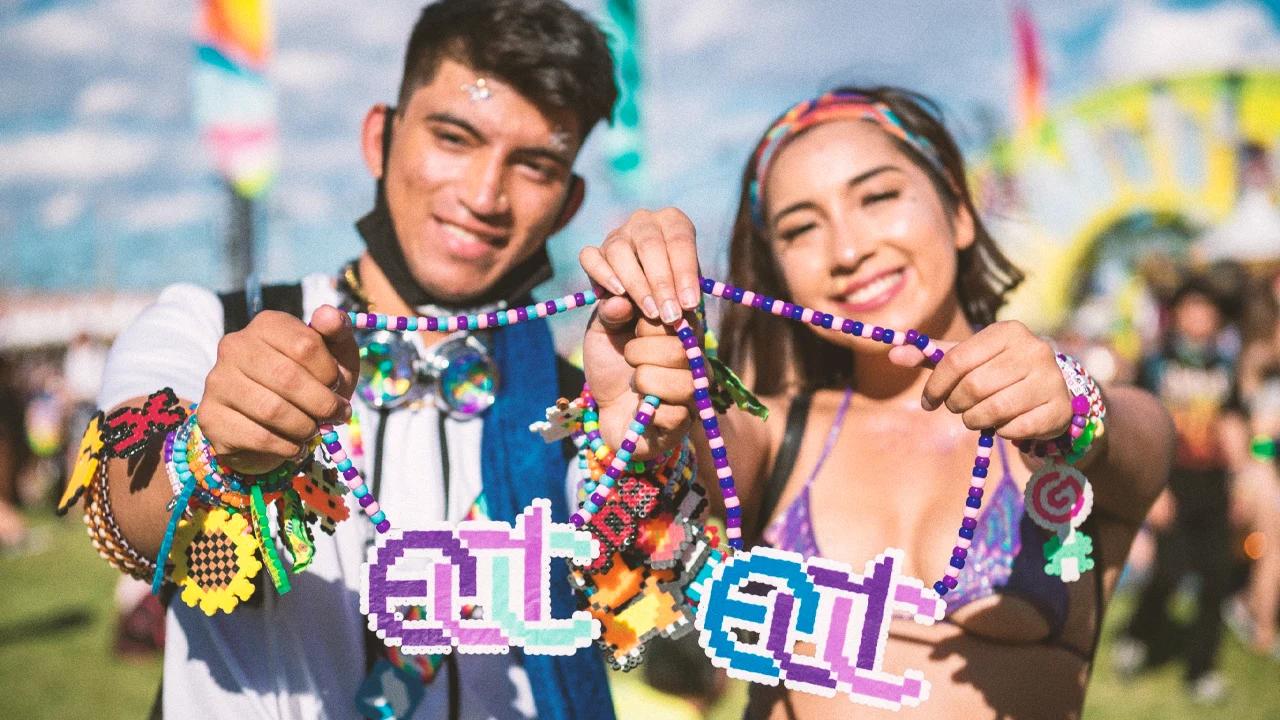
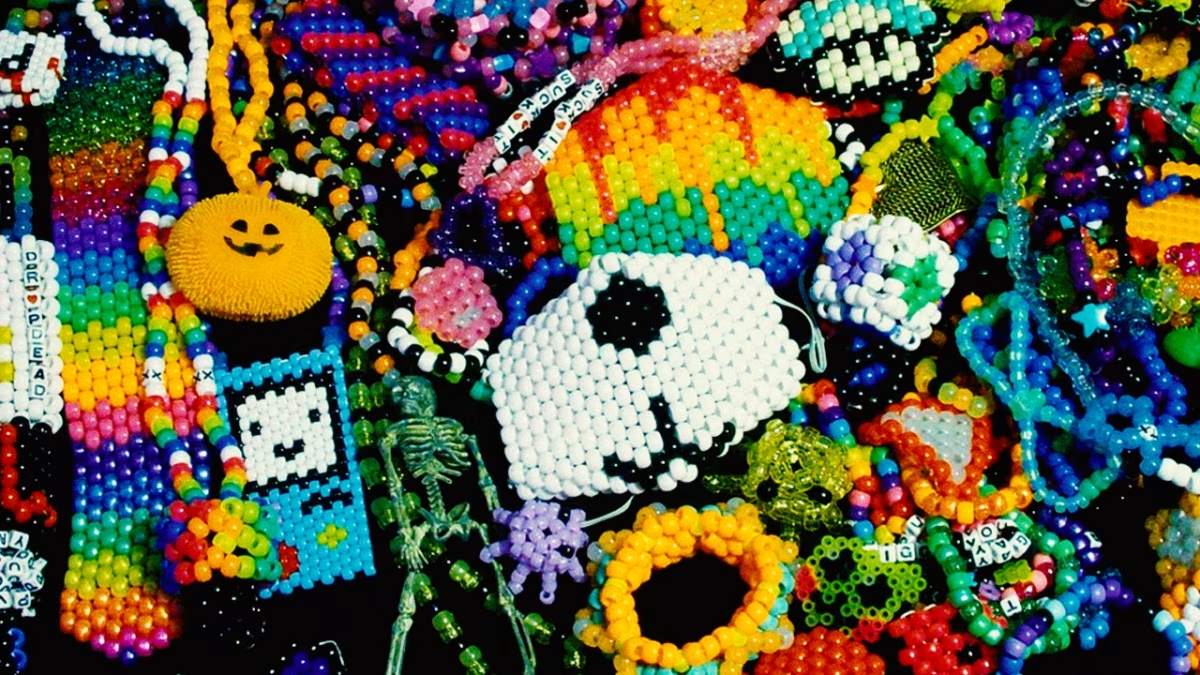
You can see PLUR manifest directly in the material culture. Participants trade handmade plastic pony bead bracelets called kandi. The exchange requires a specific four-step physical handshake. It represents a fleeting connection made in a highly stimulating environment.
An early media myth claimed these beads hid illicit substances. Researchers and community members confirm that is entirely false. Kandi serves as a decentralized ledger of social interactions. Modern attendees also anchor themselves with heavy pashminas and hydration packs. They manipulate glowing props in a practice called flow arts. The audience literally provides the visual entertainment.
The Impact of Legislation and Industry Growth
The passage of the RAVE Act in 2003 structurally altered the underground. The law threatened venue owners with federal prison if they maintained drug-involved premises. Event organizers banned crucial harm reduction services like drug checking kits to avoid prosecution. This policy ultimately reduced access to medical safety tools for attendees.
Organizations like DanceSafe adapted with grassroots testing. Today, they distribute highly specific test strips to combat the lethal fentanyl crisis. The community relies heavily on peer education to manage public health risks.
Global conglomerates recognized the massive audience demand and purchased event rights. They packaged the underground experience into a large-scale consumer product. British DJ Dave Seaman summarized the industry transition.
“Those more interested in money than music have always pillaged the underground for their own commercial gain”.
The massive stadium stages now prioritize broad commercial appeal over niche artistry.
The Underground Continues to Evolve
The cultural pendulum constantly swings. A rising wave of wellness raving provides an alternative to the era of chemical excess. Attendees are trading physical exhaustion for longevity. The underground shifts and adapts in response to corporate expansion.
Some veterans choose to bypass the mega-festivals. They organize unpermitted warehouse spaces and renegade desert parties instead. The foundational culture persists exactly where it started. It survives in the heavy bass frequencies and the complete anonymity of the crowd.
Sources & Further Reading
Origins and the Birth of PLUR
- The Foundation: Electronic dance music (EDM) and rave culture emerged in the 1980s, deeply rooted in the Chicago House and Detroit Techno scenes before exploding during the UK Acid House movement.
- The Bronx Fight (1993): The ideology of PLUR (Peace, Love, Unity, Respect) was born from tension. During a “Storm Rave” in Brooklyn, a fight broke out, prompting Frankie Bones to famously shout: “If you don’t start showing some peace, love, and unity, I’ll break your faces!”
- Defining the Acronym: While Bones established the first three pillars, it was Laura La Gassa who is credited with adding “Respect” to complete the PLUR acronym.
- Kandi Trading: This ideology is physically manifested through a four-step handshake used to trade “Kandi” (beaded bracelets), cementing a bond between participants.
Legal Challenges and Harm Reduction
- The RAVE Act (2003): The Passage of the RAVE Act created a “chilling effect” on the scene, as venue owners feared that providing water or harm reduction services could be used as evidence that they were “maintaining a drug-involved premises.”
- Modern Safety Advocacy: Organizations like DanceSafe continue to fight for on-site drug checking and education, specifically addressing the lethal fentanyl crisis via test strips.
Commercialization and Authenticity
- The Mainstream Shift: The transition from underground warehouses to massive festivals has led to internal debates about “selling out.”
- Industry Critique: DJ Dave Seaman famously noted that “those more interested in money than the music” have shifted the scene’s focus away from its inclusive, authentic roots toward a more commercialized product.