


 13
13
Gentrifying the Underground: The Hidden Class Divide in Electronic Dance Music
APR. 16 2026
Section
Read Time
Written By
[ EXCERPT ]
The electronic music industry is fundamentally broken by a massive class divide. Wealthy artists use vast trust funds to easily buy ghost-produced tracks, elite PR, and prime festival slots, completely gentrifying the working-class underground culture.
The electronic music industry is fundamentally broken by a massive class divide. Wealthy artists use vast trust funds to easily buy ghost-produced tracks, elite PR, and prime festival slots, completely gentrifying the working-class underground culture.
The industry sells a convenient lie. A kid with a cracked copy of Ableton Live grinds away in a dark basement and suddenly headlines a massive summer festival. This is pure fiction. In reality the kid on stage probably bought their entire career with family money.
TL;DR: The modern electronic music industry is deeply divided by class. Wealthy artists use massive trust funds to buy custom ghost-produced tracks, elite public relations campaigns, and prime festival slots. This financial dominance pushes working-class talent out of local venues, completely dismantling the underground culture that originally defined house and techno.
House and techno were born in tight urban neighborhoods out of absolute necessity. Today those scenes are heavily gated by aggressive wealth and corporate consolidation. The physical tools are cheaper than ever but visibility is violently expensive. Elite newcomers completely bypass the grinding local club circuit by purchasing ready-made careers.
How Capital Replaces the Ten-Year Grind
Grassroots producers spend years learning to tame a roaring Void Acoustics sound system. They haul milk crates of heavy vinyl or gig with beat-up controllers to empty rooms. They struggle to eat. Trust fund kids skip this entirely.
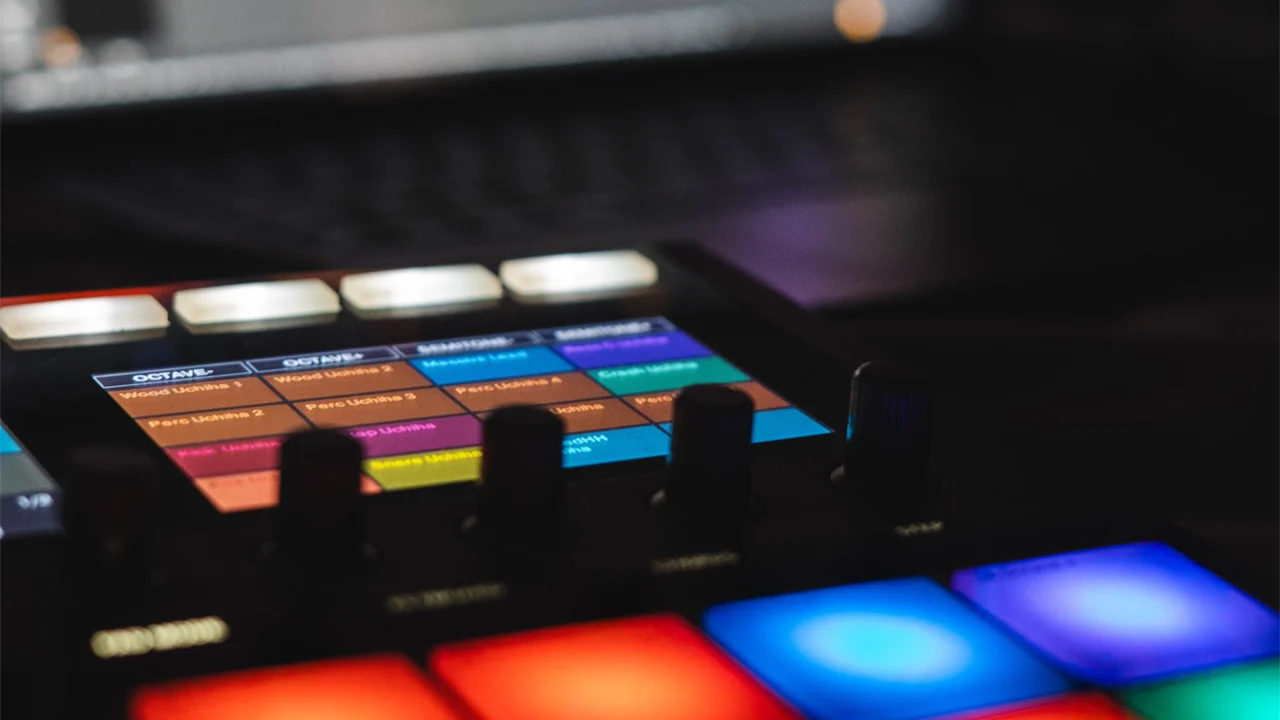
Rich amateurs do not waste time earning local respect. They walk into the DJ booth with thousands of dollars of premium gear. A pair of Pioneer cdj-2/?from=https%3A%2F%2Fmidnightrebels.com%2Fclass-divide-electronic-music-wealth-gentrification%2F" class="bracket zm-glossary-link">CDJ-3000 media players and a DJM-A9 mixer-2/?from=https%3A%2F%2Fmidnightrebels.com%2Fclass-divide-electronic-music-wealth-gentrification%2F" class="bracket zm-glossary-link">mixer easily costs over six grand. Working-class talent simply cannot compete with that upfront liquid capital.
A culture built on resistance now caters to extreme wealth. The scene has shifted so drastically that fans debate plur-for-sale-has-rave-culture-lost-its-meaning/">whether rave culture has lost its meaning when a new headliner emerges from nowhere. Wealthy kids play at authenticity while absorbing zero financial risk.
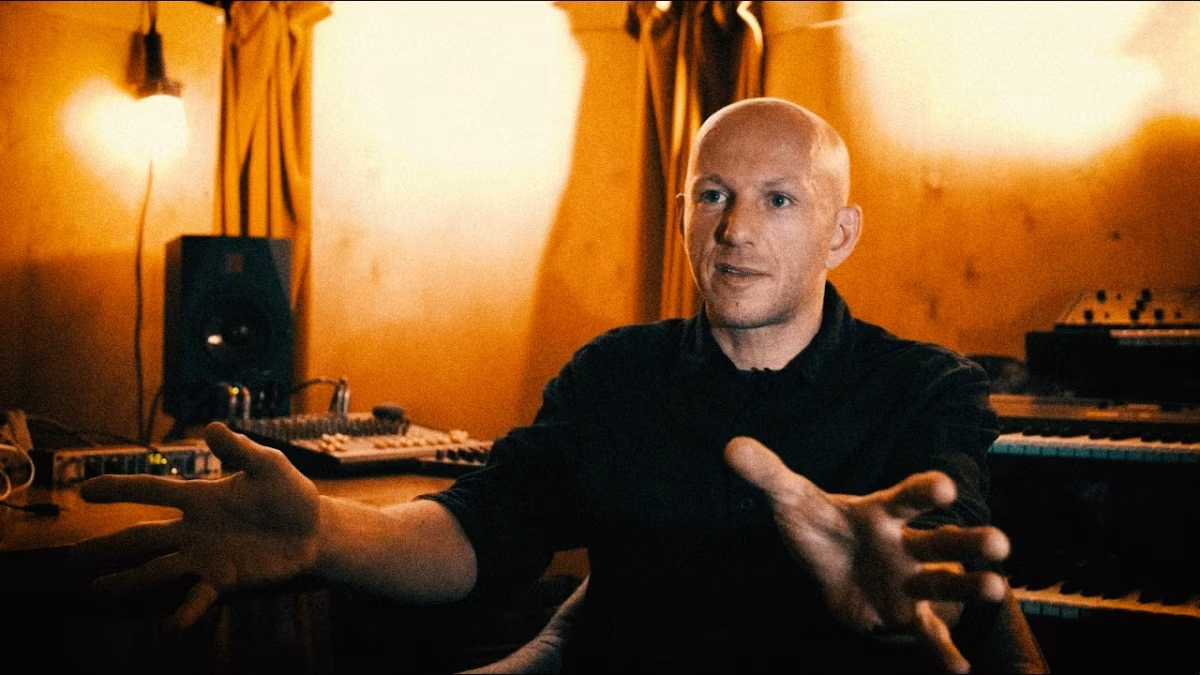
DVS1 Explains Why Hard Techno Is “EDM in Underground Clothing” — A Gateway, Not the Enemy
What Is the True Cost of Underground Credibility?
The secret behind many sudden superstar DJs is a sprawling shadow economy. Ghost producers sit in isolated studios doing the actual heavy lifting. They dial in the heavy 130 BPM kicks and splice the vocal chops. The wealthy client just signs a strict non-disclosure agreement and puts their name on the final WAV file.
This credibility is available directly off the rack. A beginner ghost producer might charge a few hundred dollars for a basic beat. Top-tier ghost producers demand upwards of $3,000 to deliver a fully mastered progressive house track. Elite radio hits can cost an artist up to $50,000 according to industry pricing guides.
Real talent loses out to purchased perfection. A working DJ from a public housing estate cannot afford a $10,000 monthly public relations retainer to push their music. Elite PR agencies secure the magazine covers and playlist placements that dictate modern success.
“I feel like a lot of upper middle-class people have been doing it, using their parents’ money to get things out there. It’s definitely a harder grind for people coming from working-class backgrounds.” said Pessimist.
Why Is the Live Sector a Pay-to-Play Extortion Ring?
Landing a major festival slot used to mean a producer was actually moving crowds. Now it often means the producer just paid a massive buy-on fee. This practice is a total extortion of independent talent.
At the club level promoters often demand $500 just for the privilege of a support slot. High-end festivals take it further. Gearnews reported that the Ibiza Global Festival was caught offering a single DJ slot for a staggering 5,000 euro fee. These slots are not awarded to the most skilled selector but to the highest bidder.
Only the rich can absorb these losses. A 15-date national tour with a $1,000 nightly buy-on requires at least $15,000 in cash. Working-class DJs are effectively banned from the festival stage because they cannot afford the rent.
Is the Loss of Grassroots Spaces Killing Innovation?
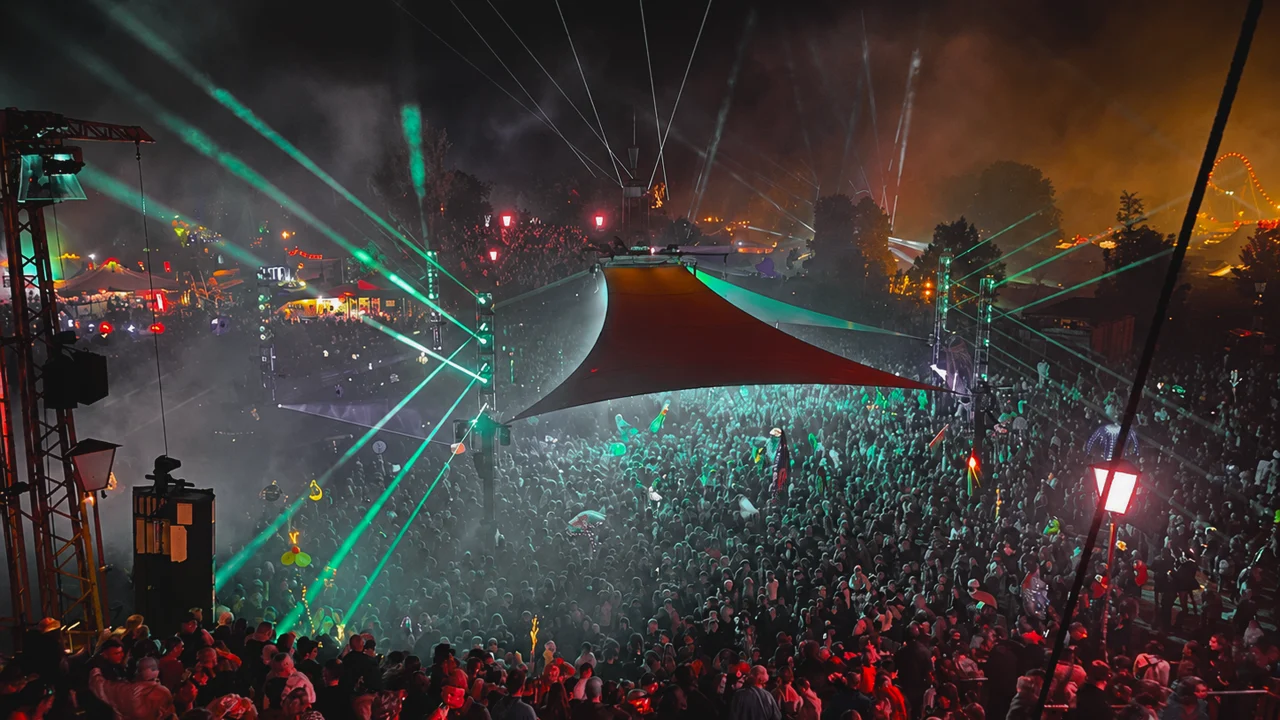
Corporate giants like Live Nation now control 70 percent of the live music market as detailed by The Guardian. These conglomerates prioritize safe, clean acts that do not offend brand sponsors. They ignore the messy experiments happening at the local level.
While mega-festivals grow, the small rooms are dying. The Music Venue Trust reported that 78 grassroots music venues closed their doors in 2024 alone. These dark rooms were the vital laboratories for house and techno.
Without these small stages the scene becomes a predictable loop. Wealthy artists buy their way onto the big stages while the actual innovators are priced out of their own city. The industry is trading its soul for a guaranteed return on investment.
Why Does Algorithmic Visibility Favor the Rich?
Digital distribution is a rigged game. Spotify hosts over 100,000 new songs every single day. Breaking through that wall of noise requires more than just a good hook. It requires massive capital.
The platform now allows artists to trade their royalty rates for algorithmic boosts. Academic reviews note this Discovery Mode helps wealthy artists whose income does not depend on streaming cents. They can afford to give up their royalties to gain followers. Independent producers cannot make that trade and still pay rent.
“The scene is failing Black artists,” says Kevin Saunderson, a founding father of Detroit techno. The industry actively erases the working-class people who built this culture. It replaces them with polished, marketable influencers who look good in a promotional video but cannot read a room.
The Aestheticization of the Underground
We are currently stuck in the era of TikTok Techno. DJs prioritize social media metrics over musical depth. They wear all black and act edgy while playing music they did not even write. It is a cynical pantomime of rebellion.
Authenticity cannot be bought but visibility can. When trust fund promoters dominate a city they use inheritance to outbid rivals. They run club nights at a loss until every independent promoter goes broke. This is how a culture gets gentrified from the inside out.
The bedroom producer myth is officially dead. The electronic music industry has become a walled garden for the global elite. If the working class cannot find a way back into the DJ booth the music will stop evolving and just become another luxury brand.
Sources & Further Reading
- A Pioneer CDJ-3000 media player and DJM-A9 mixer setup costs over six grand. Source URL: https://www.musiconstage.com.au/blog/pioneer-cdj-3000-and-djm-a9-club-pack-explained-a-beginners-guide-2026/ and https://equipboard.com/items/pioneer-cdj-3000
- Top-tier ghost producers charge upwards of $3,000 for a fully mastered progressive house track. Source URL: https://houseoftracks.com/page/ghost-production-pricing-guide
- Elite, superstar-level radio hits can cost an artist up to $50,000. Source URL: https://theghostproduction.com/how-much-do-ghost-producers-make/
- Elite PR agency monthly retainers cost up to $10,000. Source URL: https://www.reddit.com/r/PublicRelations/comments/1c119vz/for_those_who_regularly_get_a_monthly_rate_of_5k/
- Bristol DJ Pessimist (Kristian Jabs) stating that working-class artists face a “harder grind” compared to upper-middle-class peers. Source URL: https://ra.co/news/78312
- A standard club-level pay-to-play support slot costs $500, while a $1,000 nightly buy-on across a 15-date tour equates to $15,000. Source URL: https://orphiq.com/resources/should-you-pay-to-play
- The Ibiza Global Festival was caught offering a single DJ slot for a 5,000 euro fee.Source URL: https://www.gearnews.com/pay-to-play-at-festival-in-ibiza/
What We Covered

- [2026.07.09] ./What Happened to the Pete Tong Missing Remix with John Summit?
- [2026.07.05] ./NOTDEADYET secures massive international festival debut in Manila
- [2026.06.26] ./Popular Ibiza DJ Hugo Bianco Named Mastermind Of International Drug Trafficking Ring
- [2026.06.16] ./YouTube Music Nights Brings the Album Release Party Back to Life
- [2026.06.16] ./Roger Sanchez releases Spectrum marking his first studio album in two decades