


 56
56
The Art of the Mistake: Why DJs Purposely Sabotage Their Flawless Sets
APR. 20 2026
Section
Read Time
Written By
[ EXCERPT ]
Modern algorithms have eradicated mechanical drift from the DJ booth, making flawless mixing trigger audience suspicion. Elite performers combat this uncanny perfection through authenticity theater, intentionally injecting human errors to prove their live stage labor.
Modern algorithms have eradicated mechanical drift from the DJ booth, making flawless mixing trigger audience suspicion. Elite performers combat this uncanny perfection through authenticity theater, intentionally injecting human errors to prove their live stage labor.
A club environment runs on pure sweat, intense energy, heavy bass, and friction. You can feel the heavy bass physically hitting your chest. For decades, artists wrestled with analog vinyl records to keep multiple tracks aligned. Today, that physical struggle is completely gone.
TL;DR: Modern DJ hardware processes music so flawlessly that audiences often suspect elite performers are faking their live sets. To prove their real-time labor, DJs now engage in authenticity theater. They deliberately introduce subtle acoustic errors and exaggerated physical gestures to validate their work to highly skeptical crowds.
Modern media players execute transitions with absolute mathematical precision. Advanced algorithms analyze audio files and lock them to a master digital clock. Human error is effectively eradicated from the performance. Audiences now routinely assume a flawless hour of mixing is simply a pre-recorded playback.
The Eradication of Human Error Behind the Decks
The Pioneer CDJ-3000 serves as the undisputed industry standard for live electronic music. This hardware utilizes an internal micro-processing unit to calculate exact tempo metadata instantly. You just press a single button. Functions like Beat Sync and Quantize force every triggered audio cue to snap directly onto a rigid mathematical grid.
Mechanical drift no longer exists. These automated protocols guarantee seamless transitions. An artist can mix tracks with vastly different speeds without altering the musical pitch. The resulting output sounds immaculate. Yet this total absence of acoustic struggle pushes the live experience into an uncanny valley of sterile perfection.

2026 Job Market: Why DJing is a Premier High-Paying Profession
Why Do Crowds Reject Automated Perfection?
Human brains assign value based on visible effort. Psychologists call this proof of work. When people pay premium ticket prices, they expect to see genuine labor. An automated sync button hides this labor.
If the technology completes the job without human exertion, the perceived value drops sharply. A DJ standing motionless behind a laptop triggers intense consumer resentment. Fans demand a receipt. They require visual and auditory evidence of real cognitive exertion.
Pre-Recorded Playback and the Festival Economy
Massive outdoor events operate with millions of dollars in visual production. Lighting technicians and video directors require exact timecodes to coordinate pyrotechnics with specific audio drops. These complex logistics leave zero room for sudden improvisational mistakes. Many top-tier artists rely on heavily sequenced sets rendered long before the event.
This reality has fractured the electronic music community. Prominent artists openly debate the ethics of charging fans for pre-planned playback. British artist James Hype built his brand fiercely opposing these automated routines.
“If I’m not DJing, I’m just dancing, and why would anyone pay money to see me dance?”
What Is Authenticity Theater?
Performers must manufacture risk. They do this to counteract the absolute safety of their digital tools. Sociologists define this behavior as authenticity theater. The performer executes a physical display of genuine effort to anchor the digital sound to a biological body.
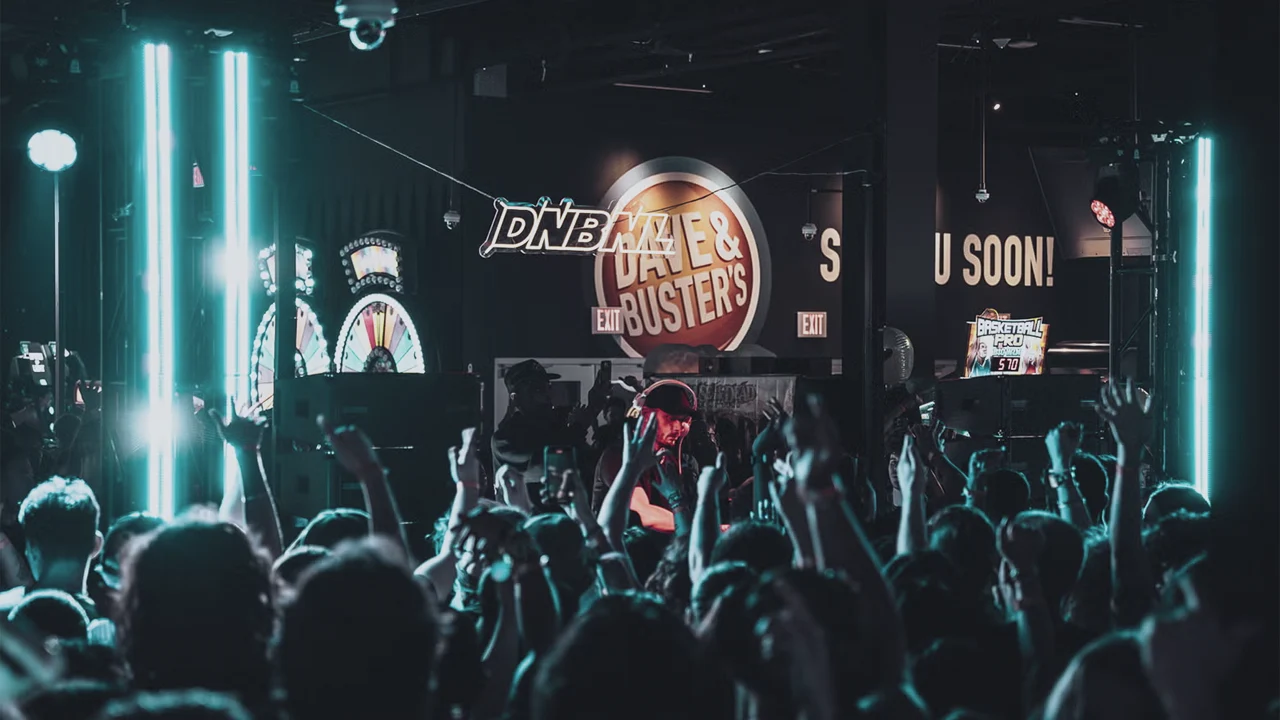
The first layer involves exaggerated physical gesturing. DJs frequently execute rapid knob adjustments or sweeping arm motions that serve no actual acoustic purpose. They point emphatically at the mixer. This kinetic vocabulary convinces the crowd that a human is driving the machine.

The Calculated Art of the Acoustic Sabotage
Elite performers take this deception a step further. They intentionally inject micro-failures into the live audio stream. An artist might trigger a loop poorly. They might let two basslines collide for a brief second to leave an acoustic fingerprint.
Detroit techno pioneer Jeff Mills frequently employs this tactic. He runs multiple decks simultaneously. He lets tracks drift out of phase so the crowd hears the clashing beats before he manually corrects them. Mills explained his reasoning directly.
“Sometimes I purposely lag the beats slightly, and then bring them together again, and that’s because I want you to hear that”.
This tension releases a massive wave of energy across the dancefloor. A flawless mix feels robotic and cheap. A corrected mistake feels dangerous and thrilling. Industry professionals constantly discuss why audio imperfection is the new standard for professional mixing to maintain consumer trust.
Algorithms will only continue to refine the precision of live audio playback. Automated perfection is now the default baseline for any commercial hardware. In an environment where software eliminates all risk, the deliberate human mistake stands as the final currency of genuine expression.
Sources & Further Reading
Pioneer CDJ-3000, Beat Sync, and Quantize: The article names this specific hardware and its algorithmic features that instantly calculate tempo metadata and snap audio to a mathematical grid. The source is: https://www.pioneerdj.com/en/product/dj-players-turntables/cdj-3000/.
“Millions of dollars in visual production”: The article notes the immense financial scale of outdoor festival production that relies on exact timecodes, leaving no room for manual mixing errors. The necessity of this synchronized lighting and pyrotechnic technology is verified here: https://www.prodjlink.com/.
James Hype : The British artist is named as a vocal opponent of pre-recorded sets. His exact quote (“If I’m not DJing, I’m just dancing, and why would anyone pay money to see me dance?”) is verified here: https://www.beatportal.com/articles/686704-the-rise-of-pre-recorded-sets-a-look-through-james-hypes-perspective.
Jeff Mills & Detroit Techno: The Detroit techno pioneer is named regarding his deliberate acoustic sabotage tactics. His exact quote explaining his technique (“Sometimes I purposely lag the beats slightly, and then bring them together again, and that’s because I want you to hear that”) is verified here: https://ra.co/features/3436.

- [2026.07.15] ./Dave & Buster’s Launches National Rave Tour to Boost Late-Night Traffic
- [2026.07.11] ./Las Vegas Free Nightclub Entry: How the LVCVA 21st Birthday Program Works
- [2026.07.10] ./Nothing challenges tech industry stagnation with its grassroots Club Nothing initiative
- [2026.07.05] ./&Friends Festival 2026 proves Philippine ravers are ready for global dance music scale
- [2026.06.30] ./How DJ Alok Uses Ancestral Music to Fund Real-World Amazon Reforestation