

 76
76
The Loft NYC: The Underground House Party That Changed Club Culture
APR. 27 2026
Section
Read Time
Written By
[ EXCERPT ]
Before massive electronic festivals and expensive VIP tables dominated the industry, modern club culture began as a radical act of defiance. David Mancuso's underground parties at The Loft created a necessary sanctuary for marginalized communities.
Modern clubbing revolves around expensive bottle service today. VIP tables and heavy marketing dominate the massive festival circuit. The actual origins of dance music reject this commercialism entirely. The true foundation was a furious rejection of profit. It all started with a private rent party in a crumbling New York City apartment building.
TL;DR: The modern dance music industry traces its cultural roots directly back to David Mancuso and his 1970 underground parties at The Loft. By prioritizing heavy audiophile sound systems and avoiding commercial venue licenses, Mancuso built a fiercely protected haven for marginalized LGBTQ+, Black, and Latinx dancers to express themselves freely.
David Mancuso opened the doors of 647 Broadway on Valentine’s Day 1970. He called the invitation-only event Love Saves The Day. Undercover police routinely raided bars to arrest gay and trans patrons in New York. Mancuso bypassed cabaret laws by keeping his space strictly private. The Loft became an untouchable sanctuary.
How Did a Private House Party Rewrite Club Rules?
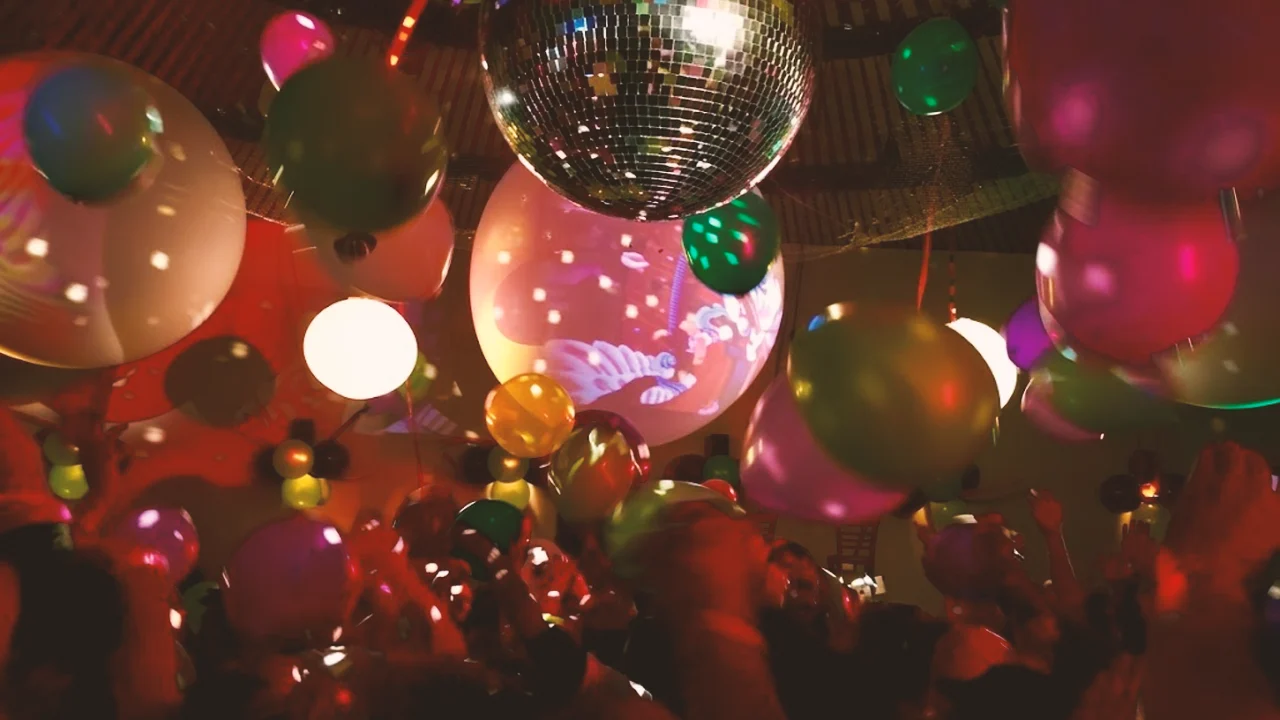
Mancuso hated the concept of a traditional nightclub. He refused to sell alcohol. He eliminated the velvet rope hierarchy entirely. Guests walked into an egalitarian room stripped of ego. While mainstream venues forced patrons to purchase expensive drinks while wearing formal suits, dancers at The Loft shared homemade fruit spreads and moved freely beneath simple floating balloons.
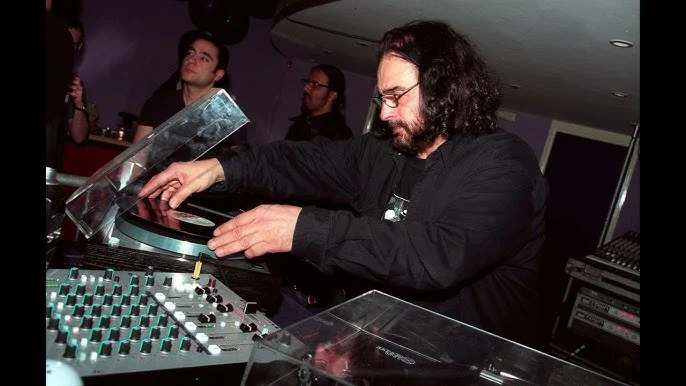
The physical space actively dismantled racial and economic barriers. The focus shifted from the DJ to the crowd physics on the floor. Mancuso did not even call himself a DJ. He viewed himself as an equal participant guiding the room. “You don’t want to hear the sound system, but the music,” Mancuso famously declared to his peers.

New Study Confirms: The True Saviors of Underground Music Are Over 40
Building the Blueprint for High-Fidelity Dance Floors
Audio quality dictated the physical energy of the room. Mancuso invested heavily in esoteric audiophile gear. He hooked handcrafted Koetsu cartridges to massive Mark Levinson amplifiers. He then wired Klipschorn speakers to flood the space with crystalline audio. He kept the volume strictly around 100 decibels to protect the ears of his dancers.
This hardware obsession forged a strict technical standard that would define the next fifty years of club mechanics. The heavy low-end frequencies demanded better analog production techniques from musicians pressing vinyl records. You could hear every breath and hi-hat crash on the wax. The crowd moved together as one massive physical organism.
Why Did Marginalized Communities Need The Loft?
New York in the 1970s was a brutal environment. The Stonewall Riots had just cracked the surface of the gay rights movement. LGBTQ+, Black, and Latinx people needed physical spaces free from police intimidation. The Loft provided that necessary security. The invite-only model filtered out the threat of plainclothes officers.
“Once you walked into the Loft you were cut off from the outside world. You got into a timeless, mindless state,” recalled DJ David DePino.
Inside those walls people could touch and sweat without fear. The dance floor served as a localized political action. It proved that economic classes and different races could mix peacefully. This was radical social progress disguised as a weekend party.
The Disciples Take Chicago by Storm
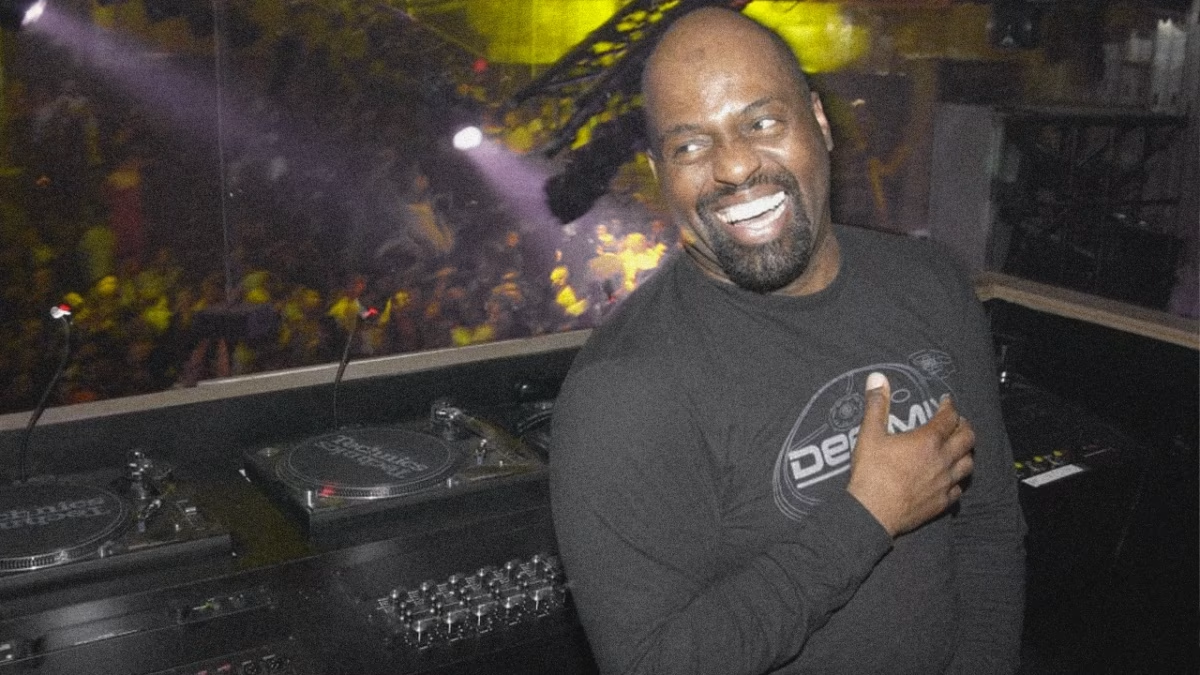
The energy generated in New York refused to stay contained. Regulars at The Loft soaked up these communal principles. Frankie Knuckles spent his youth dancing near those Klipschorn speakers. He absorbed the importance of narrative sequencing and emotional pacing. He then packed up these lessons and moved west.
Knuckles installed these underground values into Chicago venues like The Warehouse where heavy drum machine rhythms started tearing through the Midwest. A new genre called house music emerged from this exact lineage. It is essential to remember these roots when we consider the wider history of DJ culture. The legacy remains tied to marginalized voices demanding physical space.

A Future Threatened by Commercial Scale
Today the electronic music industry operates on massive festival stages. The original intimacy of the underground rent party feels distant. VIP tiers and corporate sponsors dominate the modern experience. The original values of safety and inclusivity are constantly commodified for marketing campaigns.
The machine that Mancuso built was never meant for profit. It was a localized effort to keep a specific community alive. We must fight to keep those independent rooms open. True radical expression still happens in the dark corners far away from the flashing stage lights.
Sources & Further Reading
The Inaugural “Love Saves The Day”
- The Date: On Valentine’s Day 1970, David Mancuso hosted his first major underground party at 647 Broadway. The handmade invitations famously bore the title “Love Saves The Day”.
- The Environment: In an era defined by police intimidation and the post-Stonewall struggle for LGBTQ+ rights, The Loft served as a radical safe space that prioritized community over commercial profit.
Technical Purity & Sound Standards
- The 100dB Rule: Unlike modern clubs that push volume to the brink of distortion, Mancuso enforced a 100-decibel limit. This was a deliberate choice to ensure audio clarity, protect the dancers’ hearing, and facilitate conversation.
- Hardware Legacy: For over fifty years, Mancuso’s technical standards—specifically his use of audiophile-grade equipment like Klipschorn speakers and Koetsu cartridges—have influenced the “high-fidelity” movement in modern DJing.
The Economic Legacy
- From Loft to Industry: What began as a private party in a New York loft has evolved into a multibillion-dollar global electronic music industry. Mancuso’s focus on the “musical journey” remains the foundational philosophy for DJs across all electronic genres.

- [2026.07.02] ./Why the fight against AI music is just history repeating itself on a bigger scale
- [2026.06.30] ./Six-Time Grammy Nominee Fatboy Slim Shares Turning Point in Sobriety
- [2026.06.21] ./The Atlantic AI Watchdog tool unmasks widespread music copyright theft
- [2026.06.15] ./How Gotye Used His Pop Fortune to Restore Electronic Music History
- [2026.06.09] ./Midnight Rebels and &Friends Announce Signal Breach Winners