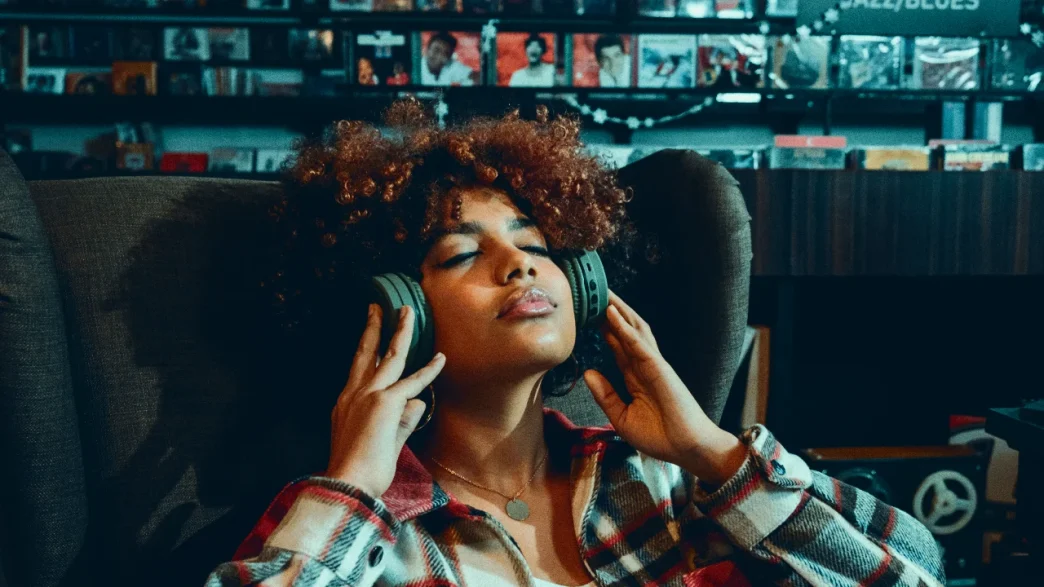

It is late May 2026. The technical art of the remix has officially moved from the professional recording studio into the fluorescent glare of Silicon Valley boardrooms. Spotify and Universal Music Group just signed a pact allowing users to slice and dice mastered pop tracks using native artificial intelligence tools. You tap a screen to rip a major artist’s isolated vocal stem and drop it over a heavy 140 BPM techno kick drum. It takes five seconds. The working producer who spent years mastering phase cancellation and EQ curves just felt a cold sweat hit the back of their neck.
This is not a beta test. Spotify is gating this generative audio engine behind a premium paywall dubbed Music Pro, charging users a reported extra $5.99 a month to play god with the UMG catalog. The labels are calling it a victory for artist consent and compensation. The mechanics operate strictly on an opt-in basis, piping micro-royalties back to original songwriters whenever a fan generates a club edit. The music industry spent three years aggressively suing AI startups for scraping copyrighted stems. Now they are selling the exact same capability as a mainstream digital toy.
TL;DR: Spotify and Universal Music Group signed a licensing agreement enabling Premium subscribers to generate AI covers and remixes of participating artists. This opt-in tool opens a new royalty stream for original musicians while fundamentally altering remix culture and democratizing professional audio manipulation tools for casual music fans globally.
How it works: Users will be able to prompt the AI to remix, flip, or create alternate versions of existing tracks.
Accessibility: The feature is being developed as a paid add-on for Spotify Premium subscribers. Spotify co-CEO Alex Norström noted that users may get a limited amount of free usage before needing to purchase the add-on.
Consent and Control: Participation is strictly opt-in. Artists and songwriters will have full control over whether their catalogs can be used, ensuring it aligns with their creative vision.
Royalties and Revenue: Rather than dealing with unauthorized AI derivatives, every time a user creates an AI remix of a participating artist, the original creators and songwriters will earn a share of the royalties.
Is the traditional DJ booth obsolete?
Dance music relies entirely on the remix. Taking an acapella and twisting it around a new bassline is a foundational act of modern production. Historically that required a copy of Ableton Live and months of trial and error. Spotify is bypassing the learning curve entirely. With a few prompts a casual listener can isolate a kick drum, swap out a synth lead, and lock the tempo flawlessly without any audio artifacting.
Working club DJs are watching this unfold with intense skepticism. A human DJ reads the crowd physics. They push the pitch fader manually. They ride the EQ knobs to build tension on a dancefloor. An AI trained on 3.4 trillion daily user signals can calculate the exact harmonic key and tempo match instantly.
“Solving hard problems for music is what Spotify does, and fan-made covers and remixes are next.”
That quote from Spotify Co-CEO Alex Norström frames this as a technical triumph. Yet the reality on the ground feels far more complicated for the people hauling flight cases of gear into venues every weekend.
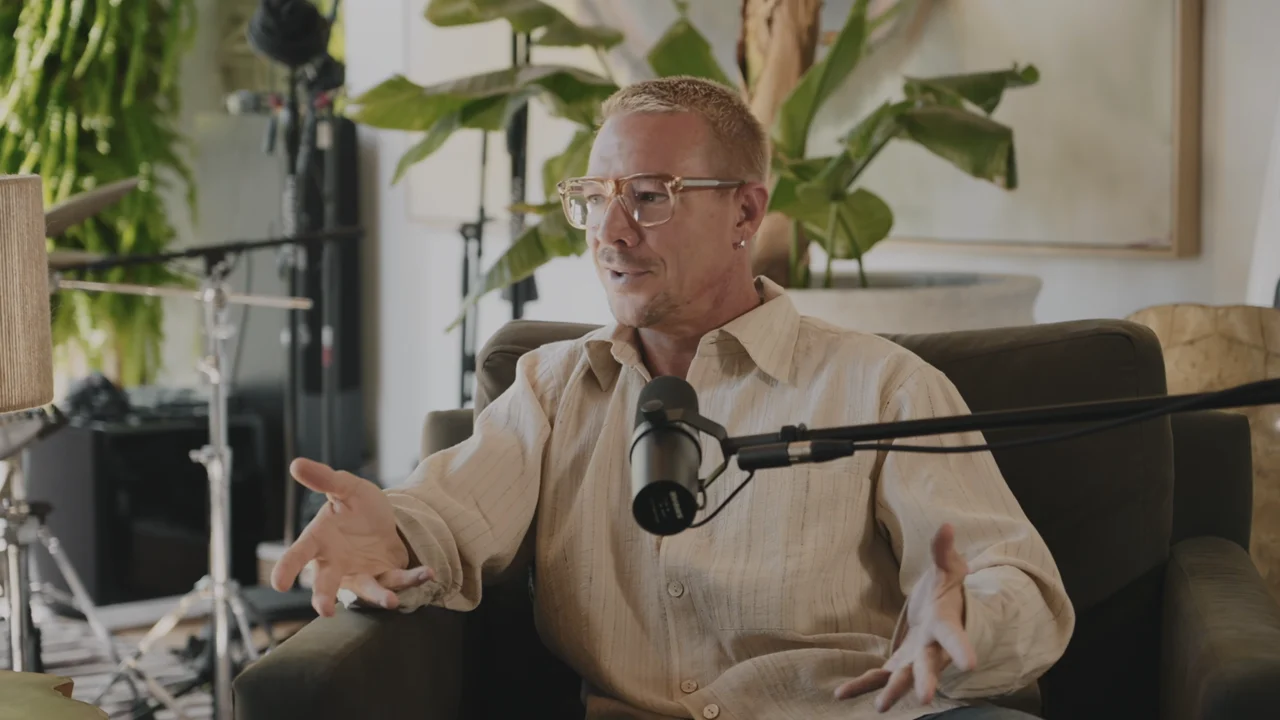
Diplo Warns Producers To Adopt AI Or Leave The Music Industry
The Legal Domestication of a Cultural Threat
Just two years ago Universal Music Group waged total war against artificial intelligence. Label executives branded the technology as outright fraud. They fired off takedown notices for viral deepfakes and launched massive copyright infringement lawsuits against early AI audio startups.
The hostility did not last. The Spotify deal proves the major labels realized they could not kill the technology. Instead they built a fence around it. By forcing the remix engine inside a walled garden UMG ensures that every derivative work is tracked, verified, and monetized. A massive alliance of rights holders released new rules for protecting intellectual property. The system requires affirmative consent from the original artist. If a track gets remixed the metadata traces a direct line back to the master recording.
What happens to independent artists?
This structural shift sets a dangerous trap for independent musicians. The opt-in model sounds fair on paper. But if global megastars allow their fans to generate thousands of variations of a hit single the Spotify algorithm will flood the zone. Endless AI iterations of Drake or Billie Eilish could easily crowd out an original composition by a rising independent artist.
However independent distributors might eventually gain access to these same tools. A lesser-known producer could let their audience generate fresh remixes of a debut track. Every viral edit would funnel money and attention back to the source material. Independent artists who release acapella stems already see massive spikes in user-generated engagement.
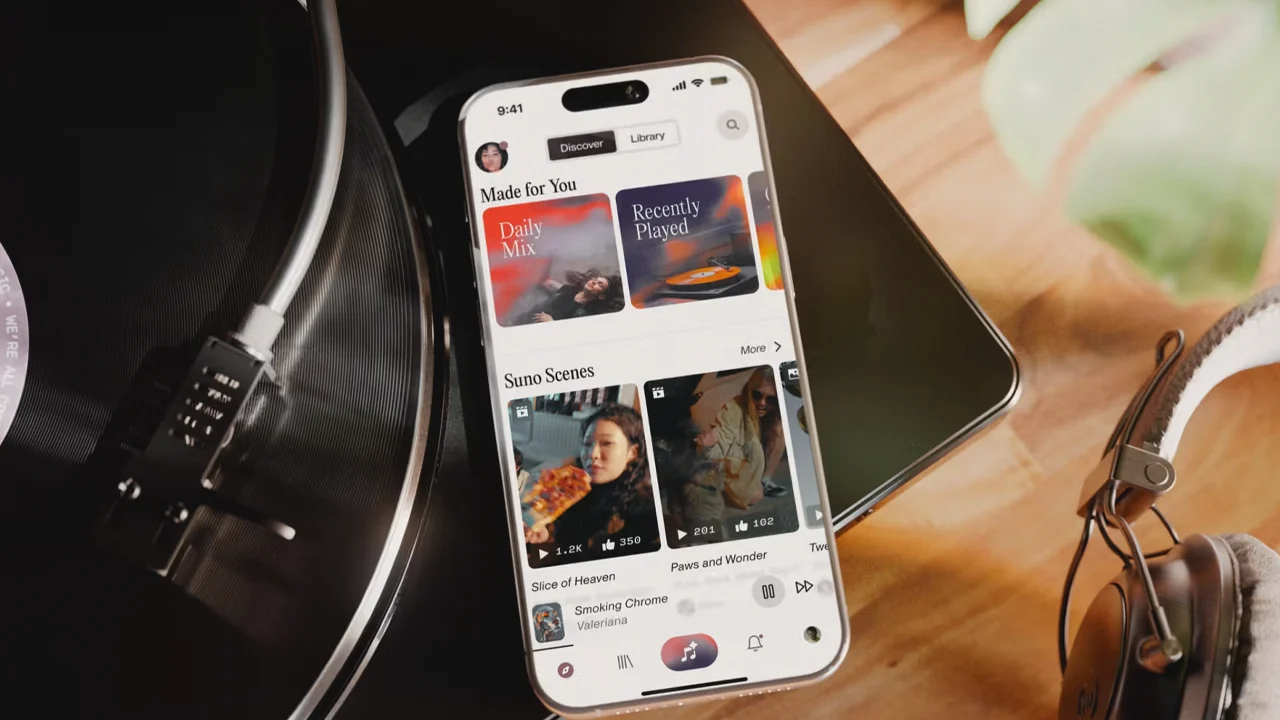

The Economics of the Superfan Machine
The entire project is ultimately driven by Wall Street demands. Spotify needs better profit margins. The core subscription model is plateauing. To hit a projected 35 to 40 percent gross margin by 2030 the platform has to squeeze more money from its most obsessed users.
Enter the Music Pro tier. For roughly eighteen dollars a month users get AI remixing and lossless audio files. Spotify is even tying this data to physical concert access. The platform’s algorithm will identify top listeners and offer them early ticket reservations through a Live Nation partnership. It is a brilliant, ruthless capitalization of fan energy.
As UMG Chief Digital Officer Michael Nash plainly stated the goal was to “center the conversation on artists, defend their rights and interests, and from that foundation build the creative and commercial opportunities out”. The audio file is no longer a finished product. It is raw material. We are moving into an era where a song is simply a suggestion waiting for a bored commuter to twist its tempo and pitch into something unrecognizable. The music industry finally figured out how to charge us for the privilege of tearing their art apart.
Sources & Further reading
1. The Capitulation: From Copyright War to Licensing Pact
For three years, Universal Music Group (UMG) waged what industry insiders called a “total war” against generative AI, burying platforms in copyright lawsuits and takedown notices to protect their artists’ voices.
That defensive wall officially came down on May 21, 2026, when Spotify and UMG signed a historic licensing agreement that legally permits user-generated AI covers, speed-up edits, and remixes within the streaming platform.
“Centering the conversation on artists, defending their rights and interests, and from that foundation building the creative and commercial opportunities out.” —Michael Nash, UMG Chief Digital Officer
This approach keeps creative controls and royalty splits inside a closed loop, ensuring rightsholders are compensated instead of bypassed.
2. The Monetization Strategy: Gating the Fanbase
Spotify isn’t rolling these creative tools out as a free upgrade. Instead, the features are the centerpiece of a new premium tier explicitly targeted at “superfans.”
[Monthly Subscription Cost Breakdown]├── Standard Premium Subscription: $11.99/month└── "Music Pro" Superfan Add-on: $5.99/month └── Total Combined Investment: ~$17.98/month
The “Music Pro” tier is projected to cost an additional $5.99 a month, lifting the total monthly cost to roughly $18 a month for users who want to modify tracks.
This monetization push is a direct vehicle for Spotify to reach its long-term corporate goal of achieving a 35% to 40% gross margin by 2030.
3. Operational Scale: Data-Driven Superfan Ecosystems
The tools are powered by a massive data infrastructure. Spotify’s algorithms train on an unmatched 3.4 trillion daily user signals, tracking skipping habits, playlist placements, and listening repetitions to predict exactly how fans want to interact with audio.
[User Listening Signals] ──> [Spotify AI Engine] ──> [Personalized AI Remixes] │ └──> [Live Nation Partnership] ──> [Early Ticket Access]
To make the $5.99 add-on more attractive, Spotify is pairing its AI manipulation engine with real-world access through a Live Nation partnership. By cross-referencing listening data, the system identifies an artist’s true top tier of listeners to offer them exclusive, early ticket reservations for live concert tours.
4. The Legal Backstop
While labels are embracing platform-level licensing, they are simultaneously backing strict federal guardrails to keep un-licensed AI outside the ecosystem. Entertainment coalitions have lobbied heavily for the enforcement of legislative protections:
- The NO FAKES Act: Designed to protect individuals’ voices and digital likenesses from unauthorized AI duplication.
- The Take It Down Act: Enforces mandatory notice-and-removal obligations on web hosts to instantly purge non-consensual deepfakes.
These regulatory frameworks give rightsholders the legal leverage to suppress unauthorized gray-market platforms while funneling all user activity into paid, licensed sandboxes. As Spotify Co-CEO Alex Norström stated on the deal’s release: “Solving hard problems for music is what Spotify does, and fan-made covers and remixes are next.”
The Superfan Tier Ledger
| Feature Variable | Target Metric | Strategic Value | Source |
| Music Pro Add-on | +$5.99 / Month | Gated entry fee for AI manipulation and superfan perks. | MBW |
| Data Training Pool | 3.4 Trillion Signals | Daily algorithmic baseline used to map user behavior. | Economic Times |
| Corporate Target | 35% – 40% Margin | Long-term gross profitability goal set for 2030. | Spotify Investor Day |
| Live Nation Link | First-Priority Access | Converts high streaming engagement into live concert revenue. | Soundiiz |
* generate randomized username
- COMMENT_FIRST
- #1 Lord_Nikon [12]
- #2 Void_Reaper [10]
- #3 Cereal_Killer [10]
- #4 Dark_Pulse [9]
- #5 Void_Strike [8]
- #6 Phantom_Phreak [7]
- #7 Data_Drifter [7]
- #8 Zero_Cool [7]