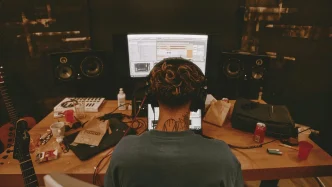
The modern electronic dance music ecosystem promised a pure meritocracy. You only needed a laptop and a vision. That utopian promise mutated quickly. The democratization of music production birthed a highly lucrative secondary market. Software developers realized that selling the dream of professional audio quality was more profitable than selling actual music.
What is Gear Acquisition Syndrome and Why Does it Happen?
Gear Acquisition Syndrome is the unrelenting urge to buy new instruments and plugins as a substitute for creative energy. For bedroom producers, encountering a technical wall brings frustration. Buying a highly marketed equalizer offers immediate dopamine. It displaces the grueling effort required to learn phase alignment or fundamental music theory. The acquisition of the tool becomes a substitute for the labor of composition.
Are Paid Plugins Actually Better Than Native DAW Tools?
From a pure digital signal processing standpoint, the answer is no. A native parametric equalizer cutting three decibels at 250 Hertz performs the exact same mathematical function as a premium third-party tool. Modern platforms like Ableton Live, Logic Pro, and FL Studio pack elite, professional-grade processing natively. Native tools demand significantly less central processing unit power. A vocal processing chain utilizing native Ableton devices requires a fraction of the power compared to third-party equivalents, keeping your computer stable during massive projects.
Some of the most respected names in bass music rely heavily on default software. Skrillex built an empire using Ableton Live. He praises native devices like Operator and the erosion tool for sound design. He noted on a livestream that outside of a dedicated equalizer and limiter, native effects are essentially all he requires to make anything out of anything.

Line Up: The Hague – The Underground Nightlife Map on a Game Boy Cartridge
How Much Does the Standard Plugin Setup Cost?
Building an industry standard folder of virtual instruments and mixing tools is a massive financial drain. Acquiring flagship synthesizers like Serum, vintage emulations like the Arturia V Collection, and a FabFilter mastering bundle easily exceeds a thousand dollars. This predatory pricing targets beginners who lack the auditory training to hear minor differences between tools.
To combat software piracy, companies like Splice introduced rent-to-own models. A producer can rent a flagship synthesizer for ten dollars a month until it is paid off. While this drastically reduced illegal downloading, it normalized micro-transactions. Producers now casually stack multiple rentals. The cost quietly balloons into hundreds of dollars a year. The transition to the usage economy became explicitly clear when Waves Audio attempted to force their entire user base onto a mandatory monthly subscription model. The massive industry backlash forced them to reinstate perpetual licenses, but the aggressive push toward endless payment loops remains.
How Does YouTube Culture Fuel Plugin Consumerism?
The digital marketing apparatus heavily relies on the influencer economy. Content creators producing music production tutorials often rely on affiliate links and brand sponsorships for revenue. When a tutorial demonstrates a heavy bass design using a two-hundred-dollar synthesizer instead of a native tool, the viewer unconsciously associates professional results with the expensive software. The fundamental audio engineering techniques become gatekept behind a paywall.


Can You Make Hit Records With Stock Plugins?
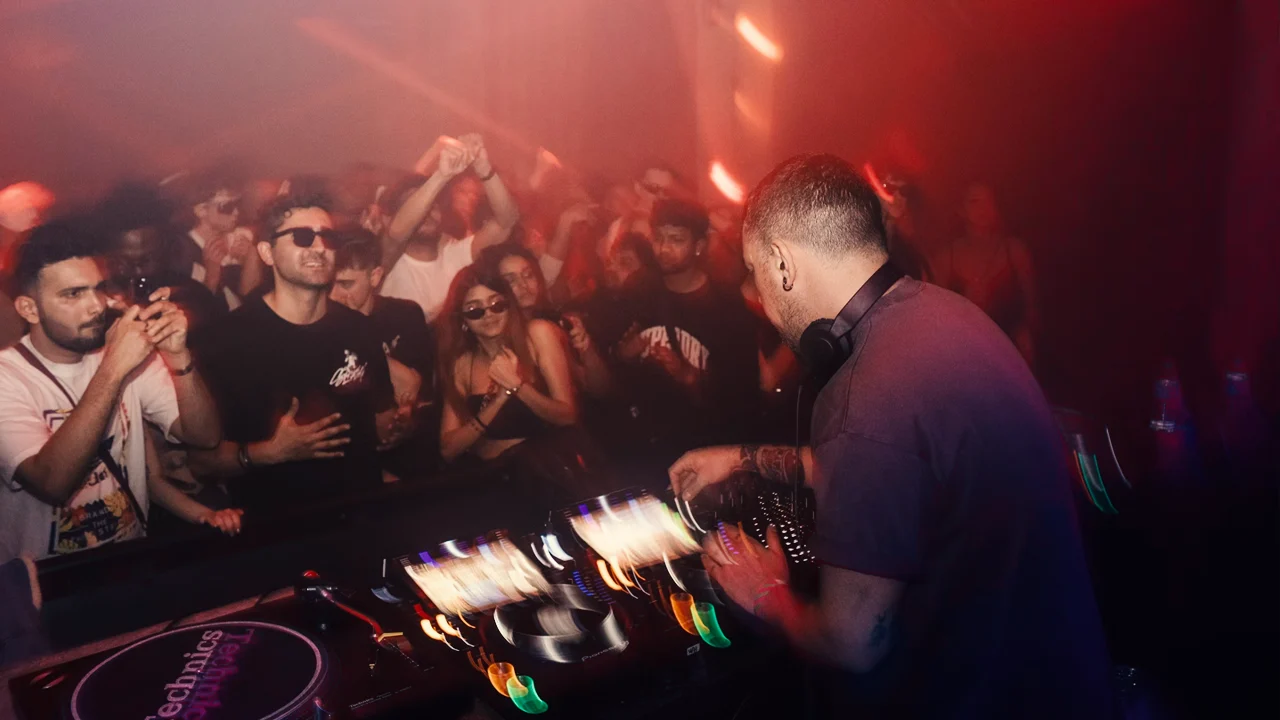
Yes. The absolute top tier of working professionals actively advocates for limiting your toolset. Kieran Hebden, known as Four Tet, builds critically acclaimed albums entirely inside the computer. He actively avoids outboard gear and leans heavily on digital simplicity. He believes the key to better production is deep, analytical listening on high-fidelity speakers rather than accumulating endless software.
Kenny Beats, one of the most prolific producers in modern hip-hop, relies heavily on Ableton stock devices like Drum Buss and the native Glue Compressor to get his signature heavy bounce. The Grammy-nominated duo Disclosure mixed an entire album using basic Logic equalizers and compressors, openly laughing about fans praising their warm analog sound.
Limitation breeds innovation. The ultimate act of rebellion in a hyper-consumerist music market is mastering the bare minimum. Stop scrolling preset libraries. Put your credit card away. Use the money to buy acoustic panels for your room or a decent pair of headphones. Your favorite producers do not have a magic plugin that makes their kicks hit harder. They simply possess an uncompromising mastery of the tools they already own.
Sources & Further Reading
- The “Zero-Dollar” Philosophy: Modern DAWs are so advanced that you literally don’t need to buy plugins to make professional music.
- Minimalist Legends: Four Tet is famous for a low-cost, minimalist studio setup, focusing on creative mindset over expensive gear.
- Stock Success Stories: Disclosure produced their massive hit “Latch” primarily using Logic Pro stock plugins.
- Pro Essentials: Even top-tier producers like Skrillex admit they don’t use many plugins, often relying on core tools like FabFilter Pro-Q3 and Pro-L.
- CPU Efficiency: Stock plugins are generally more CPU-efficient than third-party ones, allowing for larger, more complex sessions without lag.
- Budget Ownership: For “must-have” external tools like the Soundtoys 5 Bundle or Kenny Beats’ favorites, rent-to-own models offer a professional path without the upfront cost.
- Market Insight: Perspectives on the “Waves Situation” highlight the shift and controversy surrounding plugin subscription models.
* generate randomized username
- COMMENT_FIRST
- #1 Lord_Nikon [12]
- #2 Void_Reaper [10]
- #3 Cereal_Killer [10]
- #4 Dark_Pulse [9]
- #5 Void_Strike [8]
- #6 Phantom_Phreak [7]
- #7 Data_Drifter [7]
- #8 Zero_Cool [7]