

If you were paying any attention to the musical climate of the late ’90s and 2000s, you know that electronic dance music wasn’t just a genre; it was a subcultural tidal wave. From the sweaty, strobe-lit warehouses of Detroit techno to the hyper-commercialized Vegas festival stages of modern EDM, dance music has always been about kinetic energy and collective euphoria. Naturally, the hyper-capitalist boardrooms of the toy and video game industries looked at this cultural zeitgeist, saw the billion-dollar revenue streams, and asked a singular, tragic question: How do we turn this into a plastic toy?
The history of electronic dance music toys and DJ video games is a fascinating, often hilarious graveyard of corporate miscalculations, exorbitant licensing fees, and the occasional stroke of absolute genius. Let’s take a dig through the crates to see who actually captured the audio magic, and who just sold us expensive plastic trash.
The Arcade Authenticity of Beatmania
Before Western developers tried to cram the club experience into your living room, Konami actually got it right. In 1997, they dropped Beatmania into Japanese arcades. It didn’t treat DJ culture like a cheap gimmick. Instead, it demanded actual rhythm, utilizing a specialized five-key controller and a physical turntable.
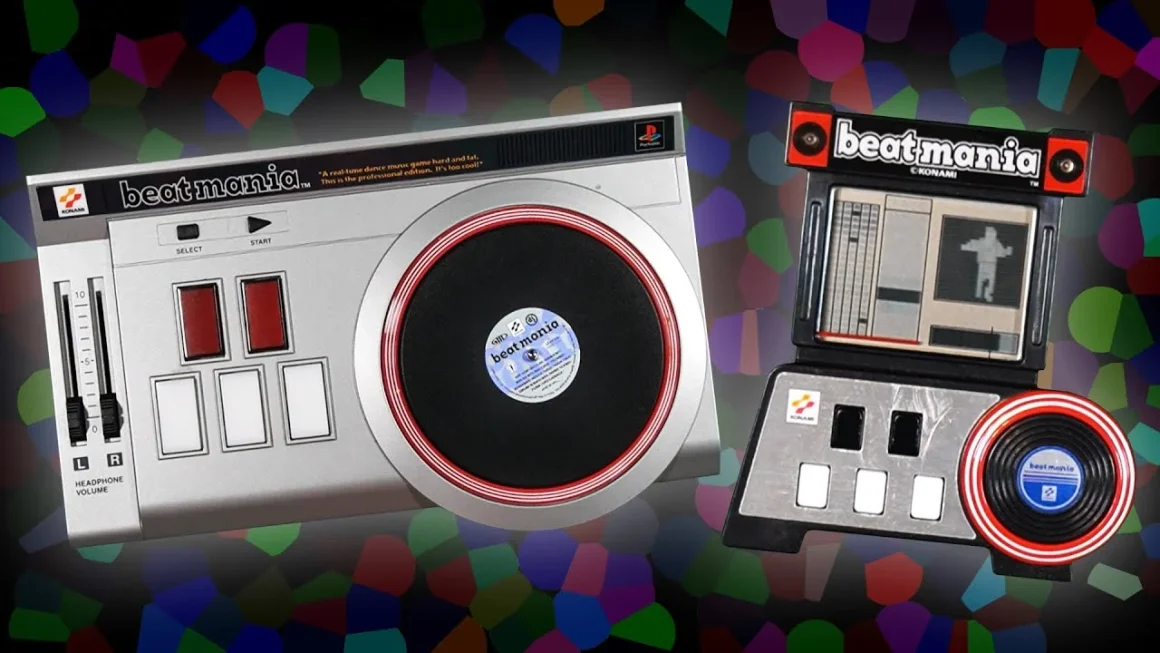
It was unapologetically authentic, leaning heavily into underground electro and up-and-coming indie artists rather than blowing its budget on top-40 pop licenses. This birthed the monumental Beatmania IIDX series, a franchise so enduringly successful that it still prints money in Japanese arcades today. Konami succeeded because they understood that the core audience for music production games doesn’t want to be pandered to; they want a high skill ceiling that genuinely simulates the rush of the decks.

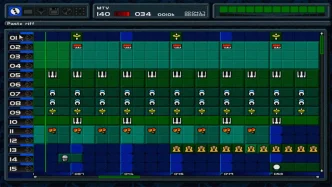
How MTV Music Generator on PlayStation Shaped Modern Electronic Dance Music
Activision’s Plastic Peripherals and the DJ Hero Mirage
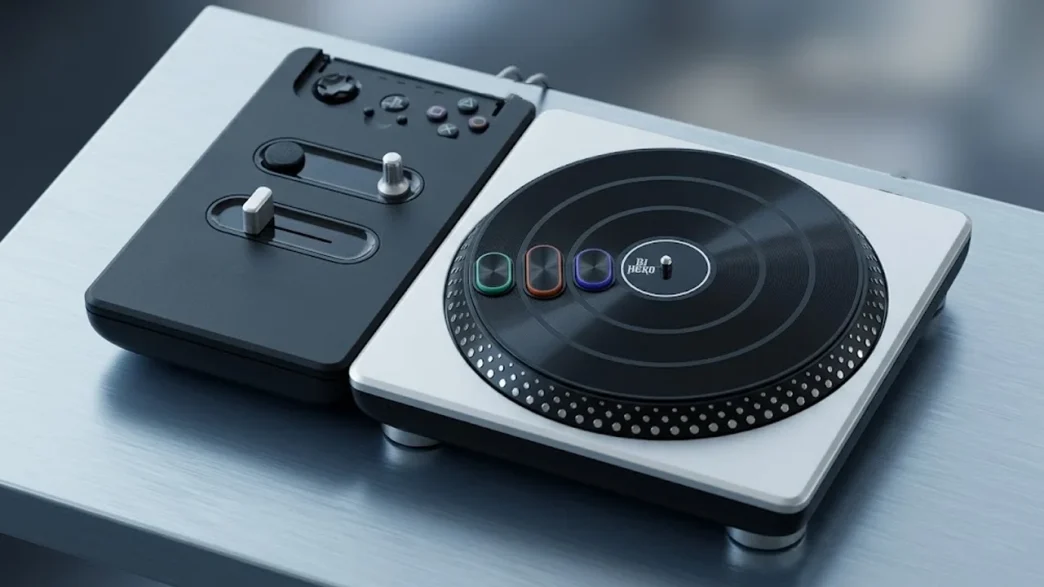
Fast forward to 2009. Activision, drunk on the billions generated by the Guitar Hero franchise, decided they were going to conquer the DJ scene. Enter DJ Hero.
On paper, the game was a critical darling. Developer FreeStyleGames threw traditional rhythm game dignity out the window, embracing the chaotic, sweat-soaked reality of mashup culture. Mixing David Bowie with 50 Cent? It was an intoxicating, brilliant mechanical translation of the DJ experience.
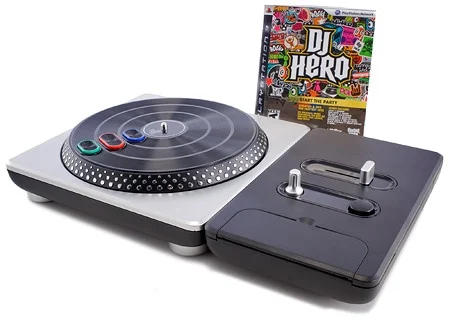
But commercially? It was a disaster masquerading as a triumph. Activision’s PR machine touted it as the highest-grossing new IP of the year, a metric entirely artificially inflated by the game’s absurd $120 to $200 barrier to entry. The reality was that consumers were exhausted by bulky plastic peripherals. By the time DJ Hero 2 rolled around, the entire rhythm game market collapsed under its own weight, and Activision quietly shuttered their music division. You can’t sell a long-tail cultural movement when the entry fee is the price of a real, actual entry-level mixer.
The Toys-to-Life Graveyard: DropMix and LEGO Vidiyo
When the plastic instrument bubble burst, the industry pivoted to “toys-to-life” hybrids. Harmonix (the original Guitar Hero architects) teamed up with Hasbro to create DropMix in 2017. The tech was undeniably magical: you slapped NFC-embedded physical cards onto a Bluetooth board, and the software instantly tempo-matched and pitch-shifted stems of licensed tracks into a seamless live mix.

But DropMix choked on the logistical nightmare of physical card distribution and the waning patience of a consumer base tired of buying blind packs. Harmonix eventually stripped away the physical cards and salvaged the incredible beat-matching algorithm to create the digital-only game Fuser in 2020. Despite melting the hearts of even the most cynical EDM critics, Fuser failed to maintain a player base and was unceremoniously delisted by 2022.
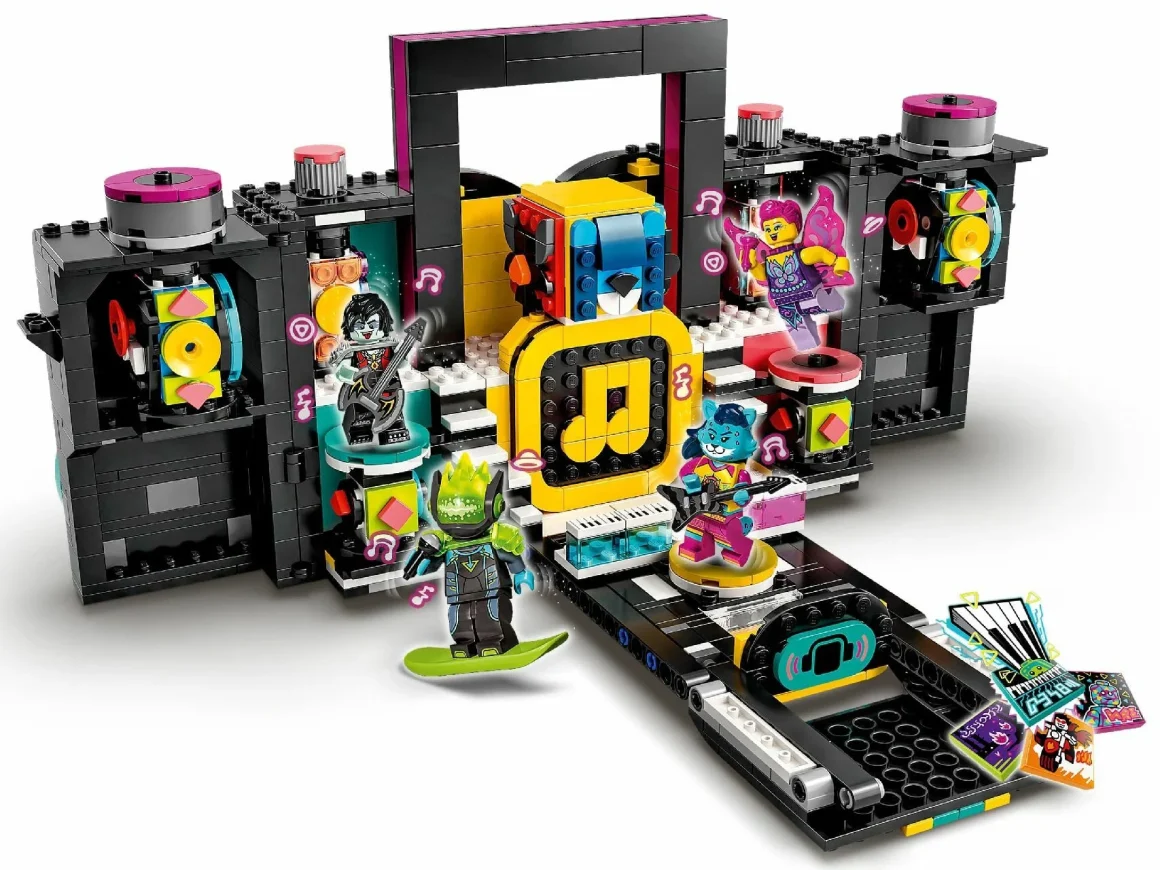
Yet, the most spectacular trainwreck in this space belongs to LEGO Vidiyo. In 2021, the Danish brick masters partnered with Universal Music Group for an augmented reality app targeting the TikTok tween demographic. It was a quintessential example of out-of-touch corporate board members trying to bottle youth culture. They charged €70 for a handful of bricks, forcing consumers to subsidize massive music licensing fees. Worse, the app required parents to upload videos of their children to corporate servers—a massive data privacy dealbreaker. The product was universally rejected and discontinued within months.
When Toys Become Tools: KORG, Teenage Engineering, and Blipblox
The companies that actually cracked the code realized a fundamental truth: don’t make a video game about music. Make an accessible instrument.
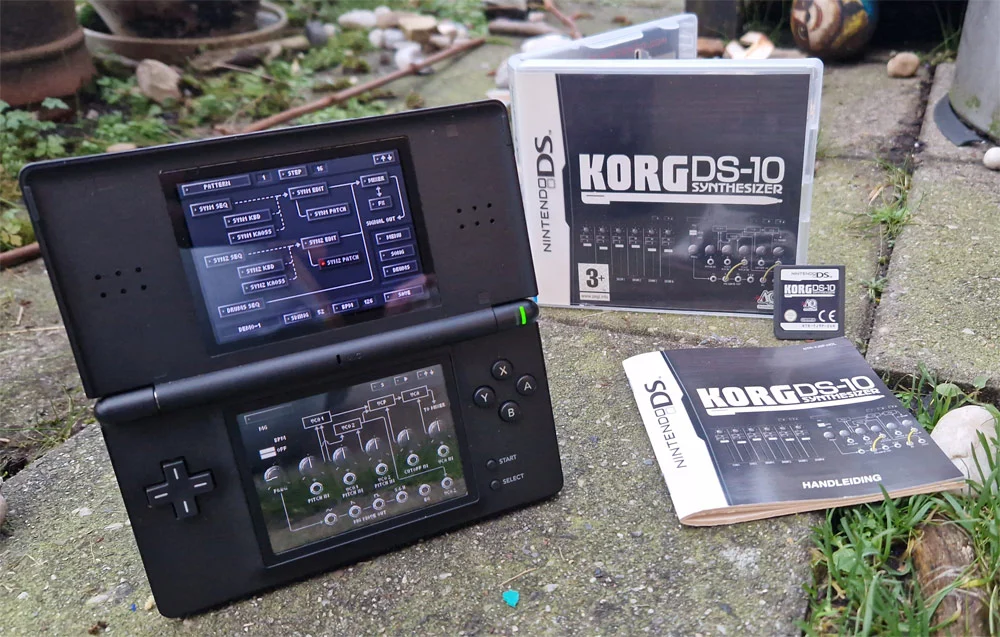
Look at the KORG DS-10. Released for the Nintendo DS, it wasn’t a game at all. It was a meticulous, portable software emulation of Korg’s legendary MS analog synthesizers. It didn’t rely on expensive pop licenses; it just gave electronic producers a literal studio in their pocket, earning massive cultural cachet.
We see this same brilliance in Teenage Engineering’s Pocket Operators. These calculator-sized synthesizers look like cheap toys, but they are rugged, highly functional noisemakers and drum machines. They brilliantly blur the line between a fun gadget and a legitimate studio tool, becoming an absolute staple for indie beatmakers.
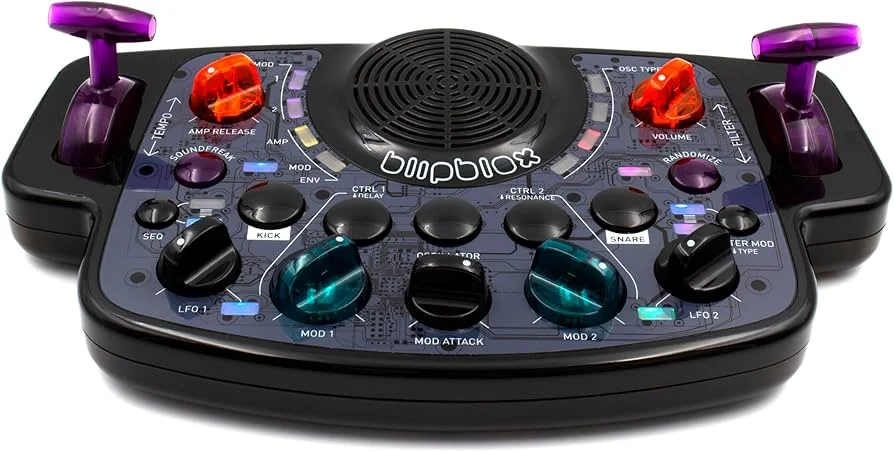
Even in the pure children’s market, innovation thrives when the focus is on tactile creation. Take the Blipblox, a synthesizer explicitly designed for kids as young as three. It removes the intimidating complexity of music production but retains the authentic, synthesized sound generation of a real groovebox, fully certified for child safety. Their latest myTRACKS system acts as a legitimate entryway into sampling and beat-making without talking down to the user. Similarly, the Skoog—a squishy, touch-sensitive cube—serves as an incredibly intuitive MIDI controller, breaking down dexterity barriers for children and individuals with learning disabilities, allowing them to interface directly with apps like GarageBand.



Selling the Kidult Dream: Tiësto and the Future of Digital Retail
Today, the toy and interactive music market survives by targeting the “kidult” demographic—adults who buy toys for themselves—and utilizing laser-focused digital retail strategies. VTech has moved units consistently with their KidiStar DJ Mixer by keeping the price under $50 and focusing strictly on imaginative, tactile button-mashing.
But for the older demographic, the future is hardware like The Next Beat, an entry-level controller developed by Eldohm and backed by superstar DJ Tiësto. It abandons the “toy” label completely, functioning as a real 4-channel soundcard that integrates flawlessly with Beatport LINK. It bypasses the need for embedded music licensing by connecting the user straight to the cloud.
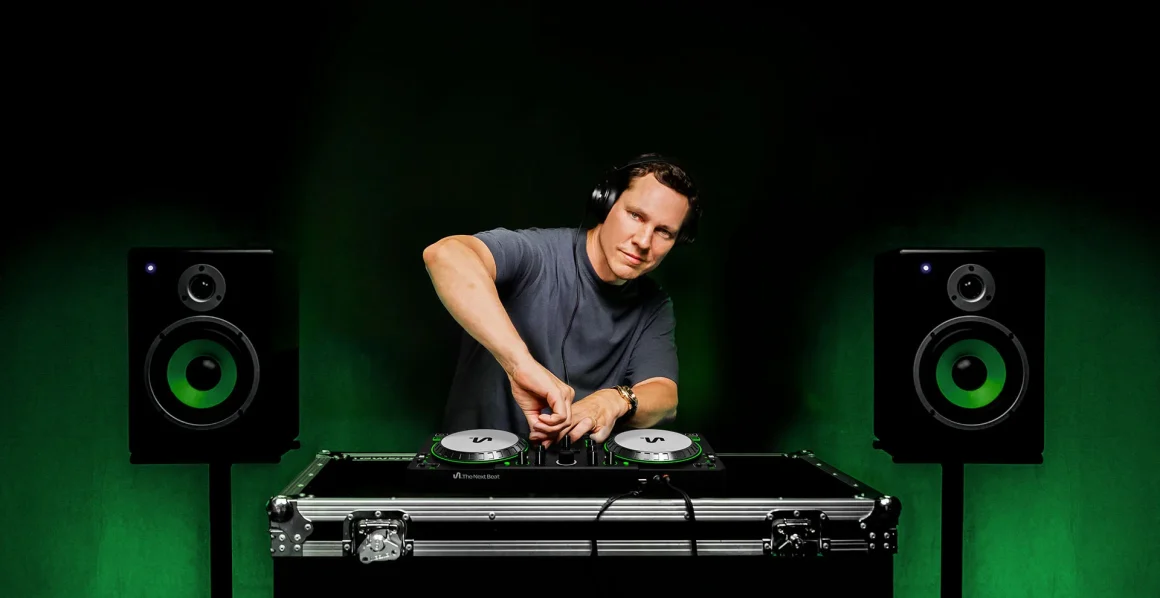
In the modern digital retail environment, companies are succeeding by directly answering consumer needs rather than throwing millions at vague advertising. The brands that win are the ones positioning their products as educational tools or authentic entry-level gear—ensuring that when a parent or aspiring DJ looks for the best beginner setup, their product is exactly what surfaces.
Ultimately, the intersection of toys, games, and EDM proves that authenticity can’t be faked. You can’t just slap a Skrillex track onto a piece of plastic and expect a revolution. The products that survive are the ones that actually empower us to make some noise.
Sources & Further Reading
Accessible & Educational Instruments
- Blipblox Series: What is the Blipblox? and MyTracks Groovebox for Kids — Professional-grade synthesis simplified for children to encourage early music production.
- Skoog: Musical Instrument Research Starter — An accessible, tactile interface designed to help people with disabilities create and perform music.
Portable & Gamified Gear
- Pocket Operators: Teenage Engineering Review — Ultra-portable, affordable micro-synthesizers that bridge the gap between gadgets and pro audio.
- DJ Hero 2: Wii Hands-on Preview — A look at the rhythm game that introduced DJ mechanics and “deck” controllers to a mass gaming audience.
Market Shifts & Digital Integration
- LEGO VIDIYO: The Rise and Fall of VIDIYO — Analysis of LEGO’s experimental AR music video platform and its premature cancellation.
- NFC Technology: Rise and Fall of NFC Games — The evolution and decline of “Toys-to-Life” systems like Amiibo and Skylanders.
- Search Strategy: Ultimate Guide to Keyword Research (2025) — Modern SEO frameworks for marketing niche music technology and gaming hardware.