


 73
73
Spotify Verification and Meta Paid Subscriptions: Reshaping DIY Music Marketing
MAY. 28 2026
Section
Read Time
Written By
[ EXCERPT ]
Spotify’s new human verification badge and Meta’s paid Meta One subscriptions force independent electronic music producers into a costly promotional loop, requiring DIY creators to buy social media reach to secure vital streaming platform trust.
Spotify’s new human verification badge and Meta’s paid Meta One subscriptions force independent electronic music producers into a costly promotional loop, requiring DIY creators to buy social media reach to secure vital streaming platform trust.
A bedroom producer in South London adjusts the decay on a kick drum, watching the waveforms bloom on a cheap monitor. Outside, the night is quiet, but inside the screen, a digital squeeze is tightening. On April 30, 2026, Spotify introduced its Verified by Spotify badge, a light green checkmark intended to separate human blood from machine-made code. It looks like a simple design tweak. Yet this small icon has redrawn the borders of digital survival for independent music.
This platform shift arrived alongside an equally massive gatekeeping maneuver from social media. On May 27, 2026, Meta launched its Meta One subscription suite, placing organic reach behind paywalls like Instagram Plus and Facebook Plus. For the all-in-one electronic producer, the studio is no longer just a place of creative isolation. It is now a high-stakes node in a complex, pay-to-play system where authenticity is measured by subscription fees and algorithmic weight.
TL;DR: Spotify’s new Verified badge and Meta’s paid subscription model under Meta One have altered the promotional environment for independent musicians. By requiring 10,000 monthly active listeners for Spotify verification and placing organic social reach behind paywalls, platforms are forcing DIY creators to buy social visibility to prove their creative authenticity.
The Price of Proving Your Humanity on the Grid
The green checkmark is not a badge of honor. It is a boundary line. Spotify pitched its new verification engine as a shield against the rising tide of AI uploads and synthetic audio farms. On paper, this is a noble defense. The streaming ecosystem is drowning in automated audio files.
But by setting the entry bar at 10,000 monthly active listeners over three consecutive months, the platform has built a deep class divide. Most electronic music is born in isolation. It lives on hard drives long before it reaches a dancefloor.
This system demands more than just music. It wants proof of a commercial footprint. Spotify requires verified artists to show scheduled tour dates, linked social profiles, and merchandise lines. This is a severe misunderstanding of how modern electronic music works. A dark techno producer working at 135 BPM does not always tour.
They do not all have Shopify stores. Yet their work is entirely human. The platform is using commercial activity as a proxy for physical existence. This choice alienates the bedroom producer. It favors acts with management teams and capital.
A synthetic music farm with a budget can easily buy its way into a green checkmark. A quiet ambient artist cannot. The divide is structural.

Spotify and UMG Launch New AI Remix Tool for Premium Users
How does a bedroom producer survive the streaming verification hurdle?
The mathematical reality is brutal. Data shows that roughly 81% of artists on Spotify never cross the 1,000 monthly listener threshold. Reaching 10,000 is a monumental task for a self-releasing artist. It requires constant promotion and a steady stream of content. For the DIY electronic creator, this builds a dangerous loop.
They must spend hours on social media instead of twisting knobs on a synthesizer. The system is also vulnerable to bad actors. Unsolicited third-party botted playlists frequently target independent tracks. An artist can wake up to find their house/?from=https%3A%2F%2Fmidnightrebels.com%2Fspotify-verified-badge-meta-one-independent-edm-artists%2F" class="bracket zm-glossary-link">deep house track placed on a fraudulent playlist. This synthetic traffic can trigger platform warnings.
Under the new rules, suspicious activity can lead to the withholding of the green badge. The victim is punished for a crime they did not commit. This builds deep reputational anxiety. A missing badge becomes a badge of suspicion. Fans and playlisters might assume an unverified profile is just another AI content farm.
“Real artists are not always viral,” notes a critical review by Uranium Waves, emphasizing how easily the quietest creators are left behind. The system values noise over nuance. It ignores artistic continuity.
Meta One and the Commodification of Social Visibility
If Spotify is the destination, Meta is the toll road. The global rollout of Meta One has commodified the very tools artists used to build their initial listener bases. Under the new subscription tiers, features that were once free are now behind paywalls. Instagram Plus and Facebook Plus cost $3.99 per month. WhatsApp Plus is priced at $2.99.
These consumer tiers offer detailed story insights and customization. For the working musician, the real trap lies in the professional tiers. The Meta One Advanced tier costs $49.99 per month. It promises increased search priority and feed visibility on Instagram and Facebook. Without this paid boost, organic reach continues to decay.
Independent producers are facing severe free reach limitations that threaten their digital survival. This is a direct transfer of wealth from creators to platforms. Meta is offsetting its massive AI infrastructure costs. They are spending billions on data centers. Creators are footing the bill.
A musician must now pay $49.99 a month just to ensure their followers see their posts. It is a tax on visibility. The organic game is over.

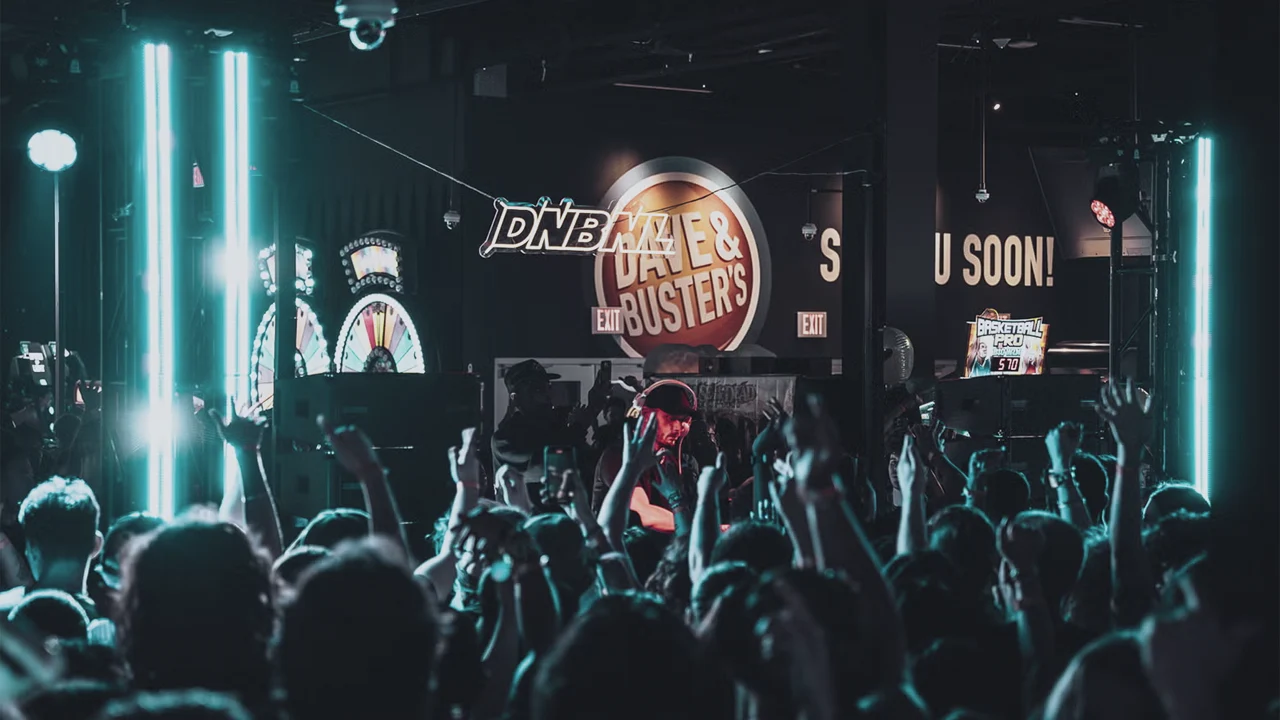

Will the DIY electronic artist become a luxury model?
The convergence of these platform policies forms a financial extraction machine. To get verified on Spotify, you need listeners. To get listeners, you need reach. To get reach on social media, you must pay Meta. This feedback loop drains the resources of independent acts.
The electronic underground has always been built on resourcefulness. Now, it requires a corporate budget. Artists are forced to act as their own marketing firms.
“In the AI era, it’s more important than ever to be able to trust the authenticity of the music you listen to,” Spotify announced during the launch.
Yet, this trust has been commercialized. Authenticity is no longer about the sweat in a basement club or the hours spent programming drums. It is about a recurring credit card charge. The artist who cannot afford these subscriptions is pushed into the digital shadows. Their music remains unverified and unseen.
The physical realities of the genre are being erased. The smell of fog machines and the vibration of the subwoofers do not matter to the algorithm. The platform only recognizes the linked Shopify account. The system does not care about the warmth of analog circuits, the dust on a vinyl record, or the physical sweat on a mixer-2/?from=https%3A%2F%2Fmidnightrebels.com%2Fspotify-verified-badge-meta-one-independent-edm-artists%2F" class="bracket zm-glossary-link">mixer. This is the new corporate standard for music.
This environment leaves the DIY creator with a difficult choice. They can submit to the subscription model and watch their margins disappear. Or they can step off the grid entirely. The future of independent electronic music may not live on these major platforms. It might return to the physical world, where a green checkmark cannot buy a crowd.
Sources & Further reading
1. Streaming Identity: The Human-Artistry Firewall
Faced with an influx of synthetic tracks and automated content farms, digital music infrastructure has begun establishing strict, data-backed boundaries to separate human creators from generative software.
- The Authenticity Checkmark: On April 30, 2026, the platform launched “Verified by Spotify,” introducing a specialized light green checkmark to signal vetted, authentic human activity to listeners.
- The Baseline Barrier: To trigger an automated human verification review, independent artist profiles must sustain an audience metric of at least 10,000 monthly active listeners over three consecutive months.
- The Grassroots Gap: This sustained-audience rule introduces a steep hurdle for the underground community. Platform data shows that a massive 81% of all uploaders on Spotify never surpass the baseline threshold of 1,000 monthly active listeners, meaning the vast majority of human creators remain structurally locked out of verification eligibility.
[All Uploaders] ├── 81% ──> Under 1,000 Monthly Listeners (Locked Out of Verification) └── Remaining Tier ──> Must Hit 10,000 Active Listeners over 3 Months ──> [Human Review] ──> Light Green Checkmark
The Critical Takeaway: Industry analyses, such as a deep dive by the publicationUranium Waves, point out that while a human-artistry badge is a smart concept, its execution relies on a highly flawed selection process. Critics argue that linking human authenticity strictly to high audience metrics accidentally penalizes small, independent DIY musicians while letting high-performing, heavily funded commercial projects skip the line.
2. Social Consolidation: The Meta One Architecture
Simultaneously, social networks are moving away from purely ad-supported systems to diversify their revenue streams. On May 27, 2026, the Meta One ecosystem rolled out globally, establishing a unified paywall framework over its foundational consumer apps.
                  [Meta One Subscription Ecosystem]
                  /               |               \
   [Instagram Plus]        [Facebook Plus]        [WhatsApp Plus]
    $3.99 / Month           $3.99 / Month          $2.99 / Month
The subscription model breaks down into distinct, entry-level consumer tiers alongside high-end professional packages:
- Instagram Plus & Facebook Plus: Priced at $3.99 per month each, these tiers unlock profile customization, anonymous story previewing, and story rewatch statistics.
- WhatsApp Plus: Priced at $2.99 per month, adding utility updates like custom app themes, personalized ringtones, and extra pinned chat windows.
- Meta One Advanced: A high-tier premium plan priced at $49.99 per month. This tier is explicitly designed for professional creators and businesses, granting access to advanced audience analytics, content protection monitoring, and automated feed visibility boosts.
The Platform Tier Ledger
| Platform System | Target Metric / Price | Core Function | Primary Source |
| Spotify Verification | 10,000 Listeners | Minimum sustained audience required for human review. | CBC News |
| Artist Baseline | 81% of Uploaders | The proportion of creators tracking under 1,000 monthly listeners. | Reddit r/musicbusiness |
| Instagram / Facebook Plus | $3.99 / Month | Consumer app tiers unlocking custom fonts and story metrics. | CTV News |
| WhatsApp Plus | $2.99 / Month | Basic communication tier granting themes and premium stickers. | CTV News |
| Meta One Advanced | $49.99 / Month | Premium tier providing professional tools and algorithm boosts. | MyBroadband Tech |
What We Covered

- [2026.07.14] ./Music Industry Leaders Launch Unified Voluntary Labels for AI-Generated Tracks
- [2026.07.12] ./Record Labels Are Not a Golden Ticket and Electronic Music Producers Must Stop Signing Bad Deals
- [2026.07.12] ./Festival Transparency Revolt: The End of Hype-Driven Lineups
- [2026.07.10] ./Skrillex shares his honest opinion on the future of AI in the music industry
- [2026.07.08] ./Why AI Event Posters are Killing Ticket Presales in 2026