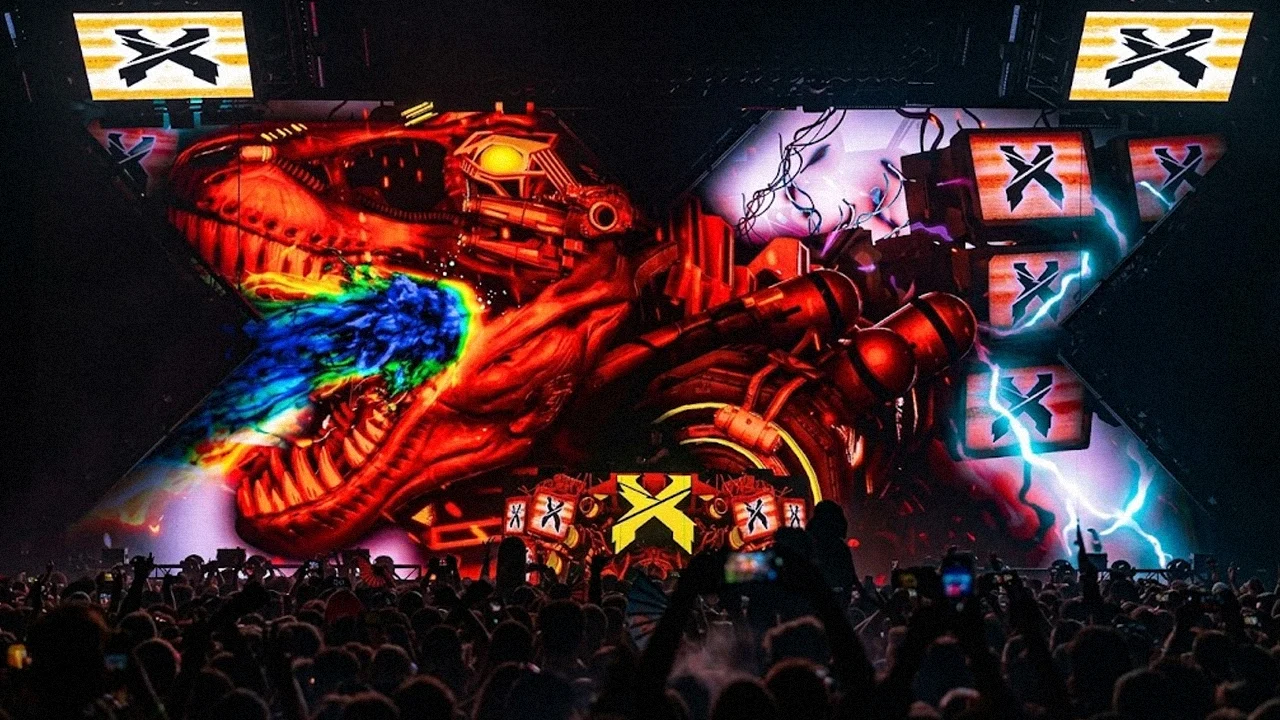

Sound systems at heavy electronic events routinely push 100 decibels of pure distortion. Subwoofers physically vibrate internal organs. You might expect these aggressive spaces to breed hostility. The data tells a vastly different story.
Extreme music genres operate at relentless speeds exceeding 150 beats per minute. These subcultures rely on heavy bass and jagged synthesizer loops. Yet they consistently report low rates of violence and high rates of prosocial behavior. This phenomenon challenges traditional psychological assumptions about external stimuli and human aggression.
TL;DR Aggressive electronic dance music environments do not inherently cause violence. Clinical research and sociological models demonstrate that these heavy spaces actually regulate physiological arousal. They act as sanctioned zones for attendees to process trauma and stress. The community actively enforces strict safety protocols and profound mutual respect on the dancefloor.
How Does Heavy Audio Regulate Human Emotion?
Psychologists previously assumed that listening to angry music increased hostility. A 2015 study from the University of Queensland systematically debunked this idea. Researchers exposed subjects to an anger induction process and then monitored their physiological responses. Those who listened to extreme music sustained their physical arousal levels but experienced significant decreases in hostility.
“Listening to extreme music may represent a healthy way of processing anger for these listeners.”
The abrasive audio acts as an acoustic mirror. It matches the listener’s internal state. This prevents the dysregulation that occurs when a highly stressed person is forced into immediate silence. Heavy bass helps shift negative emotions into positive states of inspiration. A massive collaboration between audio engineers and psychologists highlights how these specific environments help individuals manage daily anxieties.

Inside Fatboy Slim’s Funded DJ Workshops: A New Approach to Severe Mental Illness
Somatic Release and the Physical Science of the Dancefloor
Chronic stress traps kinetic energy within the human nervous system. Animals naturally shake or tremble to discharge adrenaline after a threat. Humans often suppress this biological reflex due to social conditioning. The high intensity of heavy music bypasses cognitive barriers to stimulate the body directly.
Attendees at these events engage in rigorous physical actions. They headbang to dubstep or execute the rapid footwork of the Dutch hakken dance. This allows the body to safely complete thwarted defensive responses. The environment provides a massive outlet for somatic discharge. Physical exhaustion eventually clears excess cortisol from the bloodstream.
What Prevents the Mosh Pit from Devolving into Chaos?
Mosh pits appear terrifying to external observers. They actually function more like self-regulating physical systems. Researchers studying crowd dynamics note that people in mosh pits move similarly to gaseous particles undergoing dissipative collisions. They require open space and mutual consent to operate safely.
This behavior is governed by the Elaborated Social Identity Model. This model shows that crowd actions are highly structured by shared group identity. The heavy music community values mutual care over individual aggression. If someone falls down in a pit, the surrounding crowd immediately halts to pull them back up. This collective self-policing proves that large crowds can elevate moral behavior.


Institutionalized Harm Reduction and Subcultural Unity
The industry actively supports this culture of care. Nonprofits like DanceSafe provide vital services directly on the festival grounds. They deploy advanced technologies like portable gas chromatography mass spectrometers to analyze illicit substances. Event organizers integrate calm zones and peer support into their master safety plans.
Different regions rely on specific totems to maintain their tight bonds. In the European hardstyle scene, the Orange Heart concept symbolizes absolute loyalty to the music. Dutch producer Headhunterz explains the phenomenon clearly. He states that the symbol “is something that bonds us and gets us together as one big family, and that is exactly how we feel.” These shared symbols turn massive crowds into unified groups.
As modern isolation deepens, these abrasive environments will likely become even more essential. They offer a rare container where intense frustration is validated and physically purged. The heaviest spaces will continue to serve as vital pressure valves for a stressed population.
Sources & Further reading
1. Physiological Acceleration & Emotional Processing
Rather than causing agitation, hyper-fast tempos often serve an unexpected therapeutic function.
- The Velocity Threshold: Production styles like Schranz and Hardcore rely on aggressive, driving tempos exceeding 150 beats per minute (BPM).
- The Emotional Paradox (2015): A landmark study by the University of Queensland found that extreme, high-velocity music can actually combat anger. Instead of triggering aggression, listening to intense music can match and process a listener’s high arousal state, providing an emotional release that mimics the comforting effect of a warm hug.
2. Somatic Expression & Crowd Dynamics
The physical mechanics of hard dance events translate these sonic vibrations into unified movement and behavioral safety structures.
[Audio Velocity: >150 BPM] ──> [Somatic Sync: Hakken Dance] ──> [Psychological Bond: ESIM Crowd Unity]
- Somatic Synchronization: The auditory pacing of hard dance manifests physically through movements like the Dutch Hakken dance. Characterized by rapid, rhythmic footwork and airborne stepping, the dance acts as a physical translation of the music’s high-BPM baseline.
- The Crowd Psychology: This shared physical exertion creates a powerful psychological phenomenon explained by the Elaborated Social Identity Model (ESIM). The theory shows that crowds do not lose control or become mindless; instead, they develop a highly cooperative collective identity based on shared values and mutual care, overriding individualistic behaviors.
3. Institutional Safety & The Global Family Culture
The culture’s emphasis on safety and unity is maintained through both grassroots harm reduction and legendary artistic imagery.
“Is something that bonds us and gets us together as one big family, and that is exactly how we feel.” —Headhunterz, introducing the “Orange Heart” concept
This ethos defines the hard dance community, using the symbolic “Orange Heart” to represent a unified global movement where fans view themselves as an extended family.
To protect this family, grassroots organizations like DanceSafe operate onsite harm reduction labs at festivals. By utilizing advanced gas chromatography-mass spectrometers (GC-MS) technology, they analyze substances in real-time, replacing moral panic with hard data to keep dancefloors safe.
The Hard Dance Operational Framework
| Element Type | Core Component | Cultural / Scientific Function | Reference Source |
| Acoustic Velocity | >150 BPM | Triggers emotional matching and catharsis in listeners. | SoundCloud Stories |
| Somatic Ritual | Hakken Dance | High-speed Dutch footwork that syncs crowds to the kick drum. | DanceUS |
| Crowd Behavior | ESIM | Psychological model detailing how crowds form supportive social units. | Domestic Preparedness |
| Harm Reduction | GC-MS Testing | Onsite scientific verification used to prevent adverse events. | DanceSafe / NIH |
| Community Symbol | Orange Heart | Hardstyle cultural identity anchored by artist Headhunterz. | Q-Dance / Headhunterz |
* generate randomized username
- COMMENT_FIRST
- #1 Lord_Nikon [12]
- #2 Void_Reaper [10]
- #3 Cereal_Killer [10]
- #4 Dark_Pulse [9]
- #5 Void_Strike [8]
- #6 Phantom_Phreak [7]
- #7 Data_Drifter [7]
- #8 Zero_Cool [7]