
In the early 1990s, legendary bassist Anthony Jackson threw down a beautifully stubborn gauntlet to the music industry: the day a machine outplayed him, they could “plant me in the yard with the corn.” It was a fierce, line-in-the-sand stance against the sudden invasion of MIDI sequencers and drum machines that threatened to make session musicians obsolete.
Fast forward to today, and that existential anxiety has evolved into something far more daunting. We aren’t just debating the quantization of a drum pattern anymore; we’re standing at the edge of an AI-driven cliff that threatens to bypass the human songwriter entirely.
Here is the irony: as technology makes the physical act of producing music incredibly easy, it simultaneously makes creating meaningful music exponentially harder. To figure out how we keep the soul in our art, we have to look at the blueprints left by icons who wrestled with the machines—and won. Specifically, the mechanical-to-human pivot of Daft Punk and the raw, hyper-intimate worldview of Fred again..
The Daft Punk Paradox: From Machines to Memories
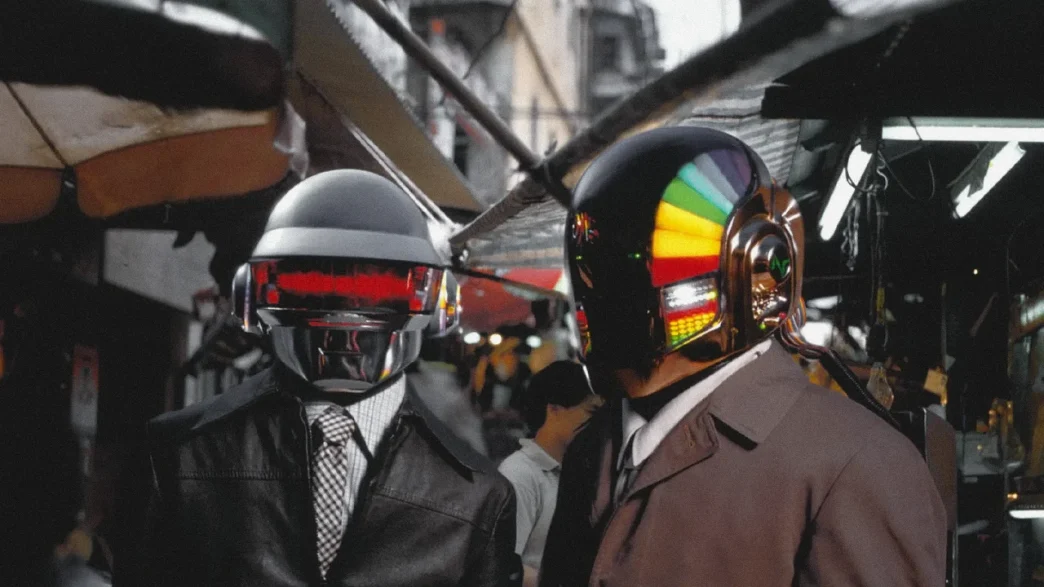
In the late ’90s, Daft Punk were the poster boys for the bedroom producer revolution. They took the exact technology traditionalists feared and used it to sample, loop, and filter their way into music history with Homework and Discovery.
But by 2013, Thomas Bangalter and Guy-Manuel de Homem-Christo realized something alarming: the relentless march toward digital perfection was beginning to suck the life out of the groove.
For their magnum opus, Random Access Memories, they did something radical for a pair of electronic robots—they deleted the samples and called in human beings. They tracked down legendary session players, replacing cold programmed beats with the tactile, unpredictable pocket of drummers like Omar Hakim. By bringing together masters from different generations, they didn’t just record an album; they built a physical bridge between the golden era of analog performance and the modern digital landscape.
They proved a fundamental truth: a machine can effortlessly replicate a grid pattern, but it can never bottle the lightning that flashes when human beings vibe in a room together.
Why Audio Imperfection is the New Standard for Professional Mixing
The Modern Threat: The Death of the “Point of View”
Now, we’re dealing with a brand new beast. Today, anyone can prompt an algorithm and spit out a fully structured track in five seconds. But let’s call it what it is: this isn’t about democratic creativity. For the tech companies and corporations pushing it, it’s about cutting overhead, dodging royalty splits, and eliminating the messy, expensive process of working with actual people.
The legendary Rick Rubin always talks about how an artist’s only real currency is their unique “point of view.” AI, by its very architecture, has no internal life. It hasn’t suffered, it hasn’t stayed up until 4 AM fixing a mix, and it has no perspective on what it feels like to be alive. It can mimic the geometry of a song, but it has absolutely zero intent behind it. When the industry trading floor trades human expression for algorithmically optimized content, music stops being culture and just becomes a lifeless utility.
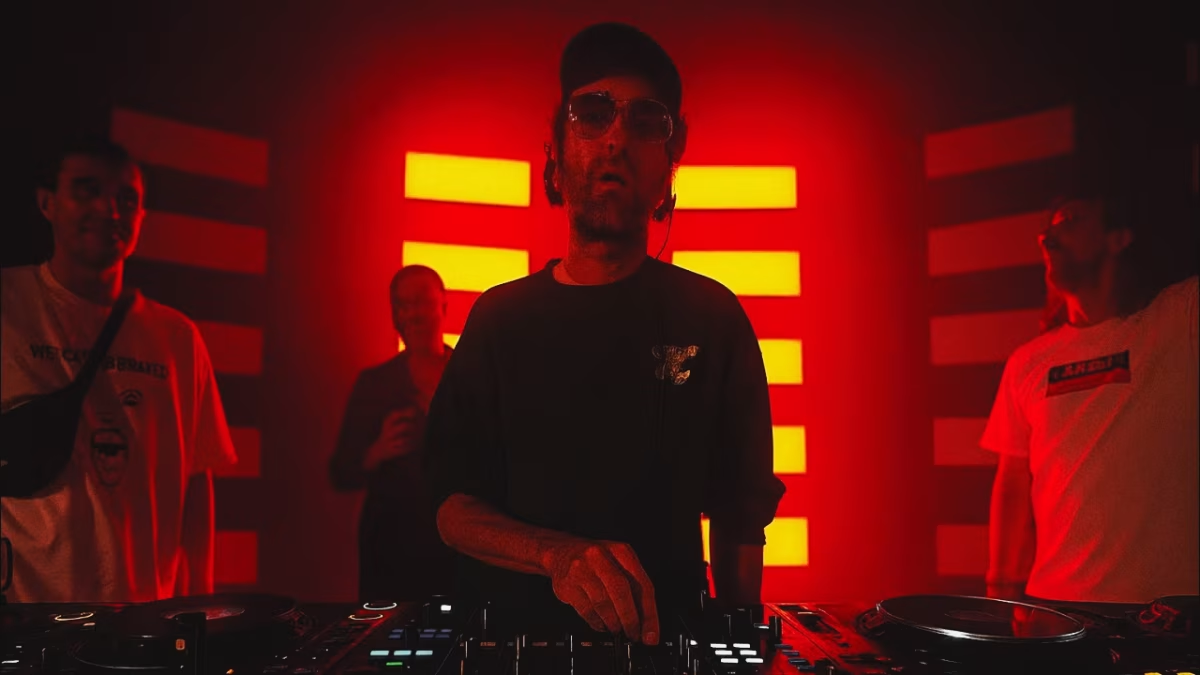
Daft Punk’s Thomas Bangalter Returns to DJing After 16 Years With Historic Fred Again.. B2B Set
Fred again.. and the Return to Raw Emotion
In this sea of hyper-polished, generic digital noise, Fred again.. has become a massive beacon for why authenticity still wins. Instead of hiding behind pristine, expensive sample packs or relying on AI generators to do the heavy lifting, Fred builds his entire creative universe—especially his Actual Life series—around the fragile fragments of reality.
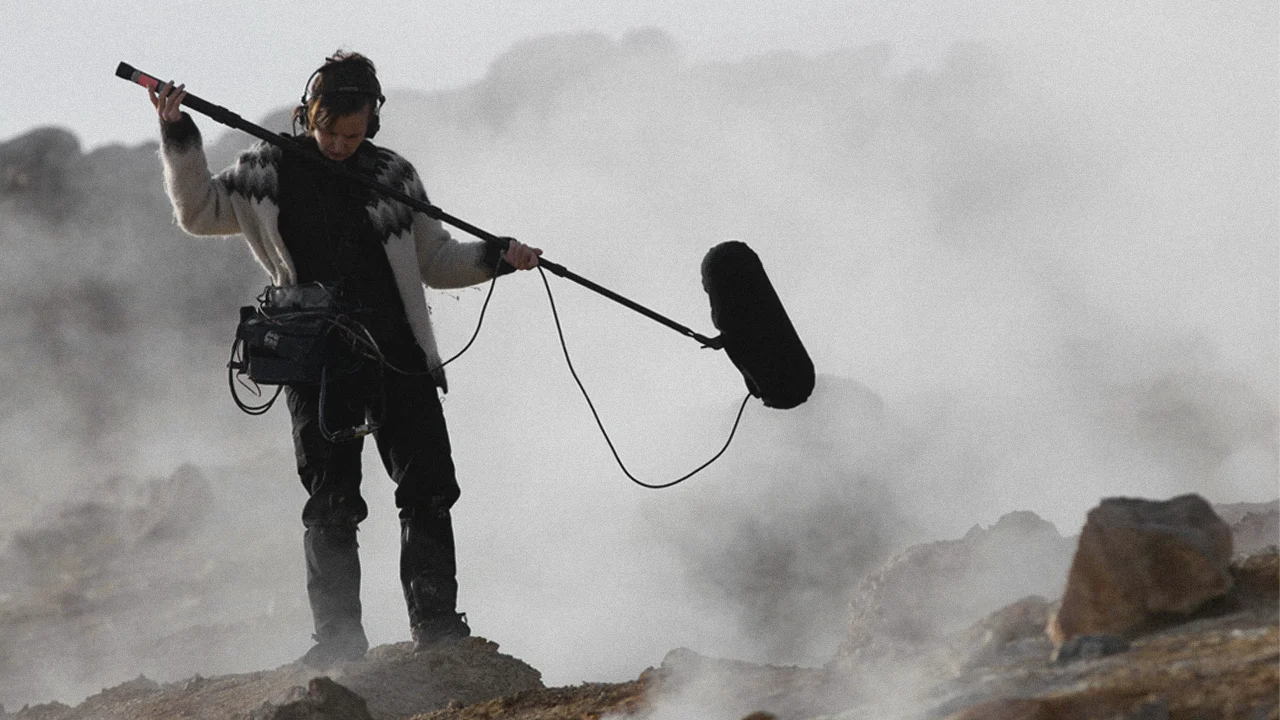
Look at a track like “Marea (We’ve Lost Dancing).” It didn’t start in a sterile studio workspace; it grew from a raw conversation about the crushing loss of dancefloor connection during the pandemic. By sampling real voice notes, phone videos, and field recordings, Fred treats music like a living audio diary. His percussion isn’t a stock sound; it’s often the literal sound of a hand hitting a tabletop or a train clicking down a track.
That obsession with the real world translates directly to why his live shows feel like a religious experience. When he samples a crowd in real-time or builds a drop out of the collective energy in a room, he is reminding us of a simple, beautiful fact: humans crave connection above everything else.


Why Authenticity is Our Best Defense
We are rapidly entering an era where “anyone can make music” without needing an ounce of musical intuition. Because of that, the value of the human artist is about to skyrocket. We don’t fall in love with tracks just because the frequencies are perfectly mixed; we fall in love with the scar tissue, the struggle, and the specific soul behind the speakers.
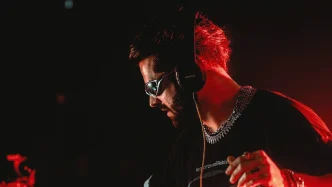
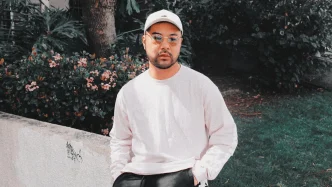
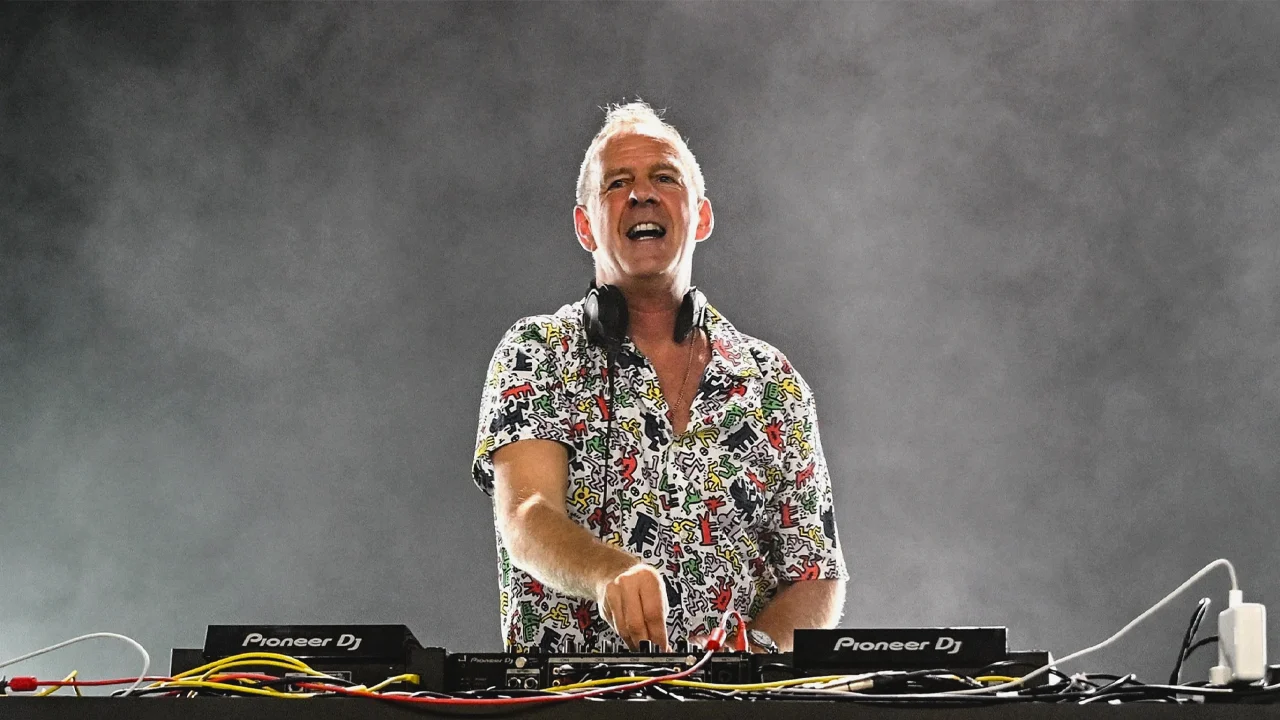
The historic February 2026 back-to-back live set at Alexandra Palace between Thomas Bangalter and Fred again.. feels incredibly poetic. It’s a passing of the torch between two creators who understand that even in a culture obsessed with speed, optimization, and automation, the magic happens in the cracks and imperfections. That’s a place a line of code will never reach.
Music is, and always has been, a mirror of our shared humanity. Technology is just the gear on the desk. The soul of the track belongs entirely to us. As the tech keeps moving forward, our best defense—and our sharpest competitive edge—is to keep making art that is unapologetically, undeniably, and beautifully human.
Sources & Further reading
- Anthony Jackson’s Stance: The legendary contrabass pioneer explicitly stated his refusal to be outplayed by early digital rhythm programming in archival footage, confirming he would rather be “planted in the yard with the corn” than yield his organic musicianship to a machine.
- Fred again..’s “Actual Life” Concept: The thematic origin of his breakout pandemic era track—crafted directly from vulnerable real-world voice memos and intimate audio diaries alongside DJ Marea Stamper—is thoroughly broken down via the detailed production history archived by the EDM House Network coverage.
- The Alexandra Palace Performance: The historic torch-passing moment where Thomas Bangalter emerged unmasked to play live electronic variations alongside Fred again.. is verified by the full performance record and official media stream cataloged on Pitchfork.