
The clean web is dead, or at least dying in the underground. Walk into any warehouse party or browse an independent bandcamp page in 2026, and you are hit by a wall of low-resolution corruption. Underground electronic music networks are aggressively deleting their high-definition corporate templates. They are replacing them with a messy, pixelated visual vocabulary designed to confuse outsiders.
This aesthetic pivot did not happen in a vacuum. It is a direct mutiny against the smooth, frictionless interfaces built by modern tech companies. Algorithms and generative AI tools have made mainstream commercial media entirely predictable. In response, a global network of independent promoters, artists, and record labels is using visual noise to build a digital firewall around their communities.
TL;DR: Underground nightlife networks are abandoning high-definition corporate design for Digital Brutalism and Glitch-Core. By adopting non-grid layouts, distorted typography, and low-resolution data corruption, these independent labels and promoters are deliberately building visual barriers to repel mainstream commercialism and assert subcultural authenticity in an AI-saturated landscape.
Why are promoters breaking the layout grid?
Mainstream corporate design typically relies on standardized user experience templates aimed at improving clarity and conversion rates. In contrast, some underground nightlife promoters have adopted an approach often described as anti-design. Rather than following conventional structural frameworks, they produce promotional materials that require more active interpretation. Visual elements frequently overlap, text blocks intersect, and the traditional linear reading flow is disrupted. This approach has been examined in research on the layout and structural mechanics of digital brutalism, which notes the use of absent or intentionally disturbed grid systems to introduce visual friction.

Why the NVIDIA RTX Spark 128GB Unified Memory is a Game Changer for DJs and Producers
The historical roots of raw data textures
This visual hostility is not new. The foundational logic of digital brutalism traces straight back to post-World War II architectural brutalism popularized in the 1950s. That movement prioritized structural transparency and raw, unfinished materials over superficial ornamentation. This ethos migrated to the internet when developer Pascal Deville launched the Brutalist Websites directory in 2014, cataloging websites that favored raw HTML over slick user interfaces. Today, electronic music labels are updating this concept for the digital landscape. They use stretched, unreadable display typography and tight keying to ensure their assets look entirely unpolished.
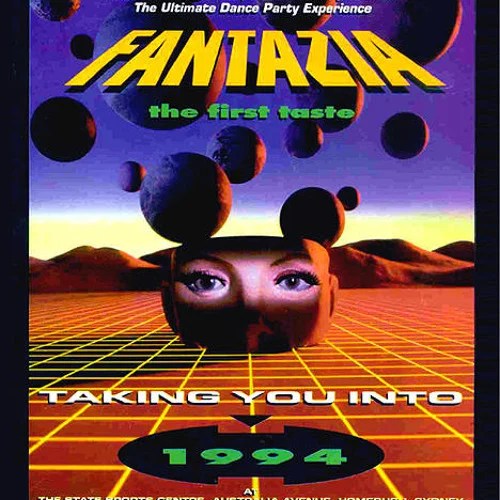
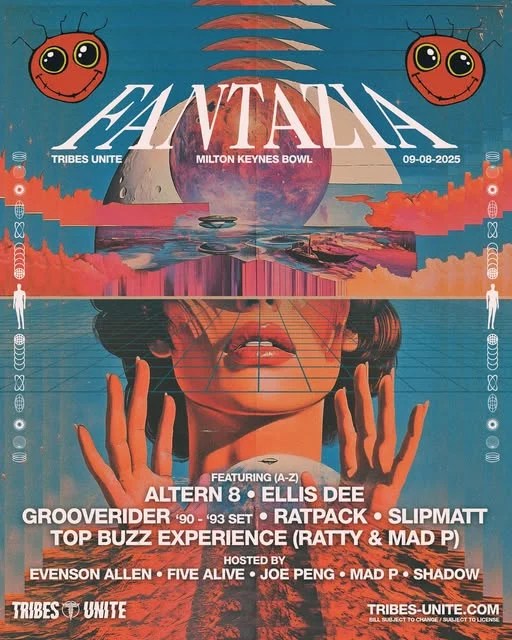
Check out these posters from Fantazia: the one on the left is from 1994, and the one on the right is from 2025.
Is visual error the new marker of authenticity?
By using visual data corruption, artists are signaling a deep distrust of corporate technology. The current reliance on pixelation, compression artifacts, and digital errors is rooted in post-digital media theory. Specifically, it builds on Kim Cascone’s foundational framework regarding the aesthetics of failure, which treats the digital glitch as a sudden rupture that breaks the clean illusion of modern machines. When a record label uses a low-resolution, heavily compressed file, they are using what theorists call a “poor image.” This low-resolution aesthetic operates as a marker of human agency. It proves that a real person broke the tool, directly contesting the polished perfection of AI-generated graphics.
How does unreadability protect subcultural spaces?
In the 2026 club scene, an unreadable flyer is a deliberate gatekeeping mechanism. Mainstream commercial spaces optimize their platforms for frictionless entry and wide discoverability. Underground networks use anti-design to filter out casual consumers who are unwilling to decode the visual chaos. This tactic mirrors the historical material evolution of counter-culture print zines, where communities weaponized available, superseded production technologies like photocopiers to execute raw cut-and-paste collages. By embedding these visual barriers, independent music labels ensure that their media only resonates with individuals who understand the subcultural code.


The rejection of algorithmic perfection
Modern corporate media tools are built to eliminate technical errors and human mistakes. The current nightlife scene views this automated perfection as sterile and corporate. Independent designers are deliberately introducing digital latency, artifacts, and noise into their workflows to disrupt the smooth output of commercial software. This practice aligns with the Italian Radical Design movement of the late 1960s, which prioritized an object’s socio-cultural critique over its clean aesthetic function. By making graphics that look broken, underground networks create a clear line between commercial asset production and authentic subcultural documentation. You can read more about how these auditory and visual philosophies intersect by exploring why audio imperfection is the new standard for professional mixing. Visual degradation is simply the final step in a total rejection of corporate polish.
Sources & Further reading
Historical Design Movements & Foundations
- The Impact of Avant-Garde Art on Brutalist Architecture
- 1950s: The architectural movement of Brutalism emerged during this decade, establishing a philosophy that prioritized raw, unfinished materials and structural honesty over cosmetic ornamentation.
- What does the future hold for polyurethane fashion and design?
- Late 1960s: The Italian Radical Design movement emerged during this period, deliberately prioritizing an object’s socio-cultural critique and message above its clean aesthetic or practical utility.
- Duplicate, copy, print: Towards a material history of the zine
- Physical Print Counter-Culture: Subcultural networks historically relied on weaponizing easily accessible, superseded physical production tools like photocopiers to print cut-and-paste zine layouts.
The Birth of Web Brutalism
- Beautiful interfaces. From user experience to user interface design
- 2014: Developer Pascal Deville launched the Brutalist Websites directory, capturing an online movement that rejected predictable, user-centered corporate interface templates.
- The Impact of the Brutalist Approach to Web Design on User Experience
- Structural Grid Disruption: Comprehensive design research establishes that digital brutalism explicitly breaks standard usability rules through the complete absence or disruption of traditional layout grids.
Glitch Theory & Post-Digital Aesthetics
- Sound of Failure: Experimental electronic music in our post-digital era
- 2000: Theorist Kim Cascone published his foundational framework on the “aesthetics of failure,” establishing digital glitches, system bugs, and software errors as meaningful materials for creative subversion.
- The Glitch Is the Machine: Technological Mediation and Identity
- Subverting Technology: Contemporary post-digital theory documents that integrating intentional software errors and visual data fragments challenges the sterile perfection of modern algorithmic tools.
- A Design Study of Image Degradation on Chinese Stickers
- The Power of the Poor Image: Academic analysis confirms that heavily compressed, low-resolution “poor images” evoke a distinct subcultural authenticity that acts as a visual shield against mainstream high-definition templates.