

Independent operators dismantle standard models. Instead, organizers deploy high-throughput hardware in remote heritage zones to secure better margins and scale their business models. They bypass urban venues entirely. The movement functionally began by repurposing obsolete industrial zones like Beijing’s 798 Arts District before scaling to rural environments. This pivot reorganizes the underground. Relocating to these remote sectors allows crews to optimize their operational workflows and evade strict commercial venue regulations.

This shift directly impacts music business scalability. Moving hardware out of the city reduces localized latency in vendor supply chains and significantly cuts overhead costs. Promoters execute adaptive reuse strategies. In Vietnam, this infrastructural bypass was catalyzed by the 2015 digital revolution led by platforms like SoundCloud. Operators merge advanced staging hardware. They utilize community-based tourism models to build sustainable, high-yield event properties without state interference or corporate oversight.
TL;DR Asian electronic music promoters achieve higher ROI and operational scalability by hosting events in rural heritage sites instead of state-regulated clubs. By optimizing hardware deployment at locations like Vietnam’s Mo Luong Cave and China’s Great Wall, independent crews execute high-throughput underground productions that successfully bypass commercial mega-festival frameworks almost entirely.
How Do Remote Locations Improve Profit Margins?
State-level regulations throttle economic efficiency. Routing operations through unregulated rural infrastructure solves this bottleneck and allows promoters to control the entire supply chain. This tension dates back decades. The original Chinese underground scene took root in the 1990s through operational pioneers like Ben Huang and Weng Weng. Commercial nightclubs dominated the market. When money-focused venues took over in the 2000s, independent operators lost control of their localized audio distribution channels. Now, crews manage their logistics. They handle ticketing integrations, beverage sales, and talent booking without paying the exorbitant surcharges demanded by urban venues.

Insomniac and Future Vibes Lock in a Massive Five-Year Vision to Crown Phuket as Asia’s Premier Rave Utopia
The Equation Festival Workflow
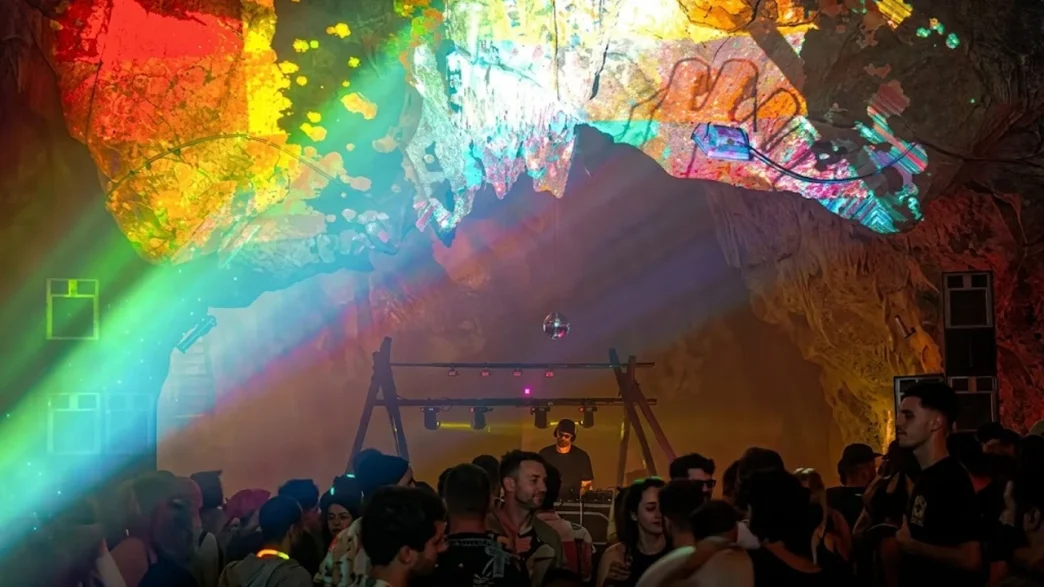
Vietnam’s market demonstrates precise execution. Promoters utilize raw geological formations to handle acoustic dispersion natively, which drastically reduces the need for artificial treatment. Equation Festival deploys its primary technical operations inside the Mo Luong cave system located in Mai Chau. The dome provides natural amplification. This isolated environment supports complex audio routing with minimal signal latency while integrating advanced lighting and staging rigs. Technical crews blend global acts. Heavy-hitting international talent like Erly Tepshi plugs directly into the local hardware systems alongside regional selectors and operators. This strategy yields high margins.

Scaling at the Great Wall
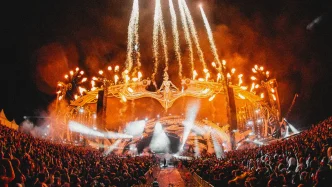
Heritage sites demand intense logistics. Production teams must deploy modular hardware systems to accommodate the harsh terrain and ensure AI workflow efficiency natively. Government initiatives support this integration. The 2026 Great Wall Festival marks the tenth anniversary of deploying techno operations at the Jiugukou scenic area. State policies prioritize cultural tourism. Promoters leverage the 2022 Great Wall Cultural Park development mandate to secure operational permits and optimize their ROI. Crews integrate high-fidelity sound systems. This hybrid configuration attracts a massive volume of attendees while rigorously preserving the structural integrity of ancient stones.



Escaping the Mega-Festival Supply Chain
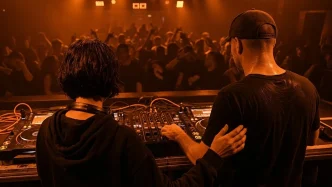
Globalized commercial festivals lack scalability. The grassroots Asian market actively rejects this standardized formula by using peer-to-peer digital networks to minimize acquisition costs. Corporate strategies utilize different frameworks. You can analyze how major labels expand Asian music festivals to observe the contrasting top-down resource allocation model. The underground relies on autonomy. The inclusion of specific acts like Acierate validates the market demand for uncompromising audio configurations outside commercial parameters. These crews prioritize technical precision. They build self-sustaining ecosystems that deliver maximum throughput to the end consumer without surrendering their core operational independence.
Sources & Further reading
Cultural Sites & Regulatory Initiatives
- Beijing’s 798 Arts District: A prominent case study of industrial landscape reuse, representation power shifts, and urban sustainability. (Source)
- 2022 Great Wall Cultural Park Mandate: Official development guidelines governing construction and structural protection around the historic site. (Source)
Evolution of the Regional Electronic Music Scene
- The 1990s (Underground Roots): The era when the original Chinese underground electronic scene took root, led by early pioneers like Ben Huang and Weng Weng. (Source 1, Source 2)
- The 2000s (Commercialization): A decade marked by a cultural shift where commercial, money-focused venues began overtaking the underground club landscape. (Source)
- The 2015 Digital Revolution: The emergence of modern independent music communities, driven globally and regionally by streaming platforms like SoundCloud. (Source)
Event Features & Artist Pillars
- Equation Festival: An electronic music festival utilizing a unique natural cave system venue located in Mai Chau. (Source / Client Brief)
- Great Wall Festival: A landmark electronic music event featuring prominent international and underground artists like Erly Tepshi and Acierate. (Client Brief)