


 01
01
NASA POSTED A MUSICAL REPRESENTATION OF THE BUTTERFLY NEBULA USING DATA SONIFICATION
NOV. 25 2021
Section
Read Time
Written By
[ EXCERPT ]
This huge cloud of dust and gas in the Milky Way originates from either a dead star's explosion or places where new stars are forming. They may mark the end of something...or a new beginning. But, have you ever pondered what these cosmic fairy dust forms sound like? NASA may have the solution.
A musical rendition of the Butterfly Nebula has been released on Instagram by NASA, the National Aeronautics and Space Administration. It was made using a technique known as data sonification — the conversion of data into sound — and a variety of instruments to create the deep space sounding soundtrack.
In an Instagram post, NASA explained that each wavelength of light has been coupled with a distinct family of instruments to create a “symphony of calming sounds,” which can be heard panning from left to right. ‘The ‘wings’ of the butterfly are portrayed by strings and synthesized tones, while the stars are represented by an electronic harp.’
The Butterfly Nebula, commonly known as NGC 6302, is a luminous cluster and nebulae in the night sky of the planet Earth that may be seen from space. It was given this name because it resembles a fluttering butterfly, and it is around 2,500 to 3,800 light-years away from Earth. With a surface temperature of over 250,000°C, the dying central star of the Butterfly Nebula has likewise become extraordinarily hot, according to estimates. The Butterfly is glowing brilliantly in ultraviolet light, but it is obscured from direct vision by a dense torus of dust that has formed a pair of space cloud wings around the butterfly.
The close-up image NASA utilized for data sonification was taken in 2009 by the Wide Field Camera 3 on the Hubble Space Telescope, which was deployed on the final shuttle servicing mission and was captured by the Hubble Space Telescope in 2009.
Despite the fact that the sound clip may not be completely close to what it would actually sound like in space, as NASA has stated, it simply gives us all the feels! Listen to the calming symphony emanating from beneath the surface.
-
From Afrika Bambaataa to Drift Phonk: The Four-Decade Evolution of the 808 Cowbell

Explore the analog synthesis and cultural legacy of the Roland TR808 cowbell. From detuned hardware oscillators to the high speed melodic leads of drift phonk, discover how this iconic synthetic clank redefined global electronic music.
-
Redrum Edits Phenomenon Pros And Cons For Modern DJ Sets
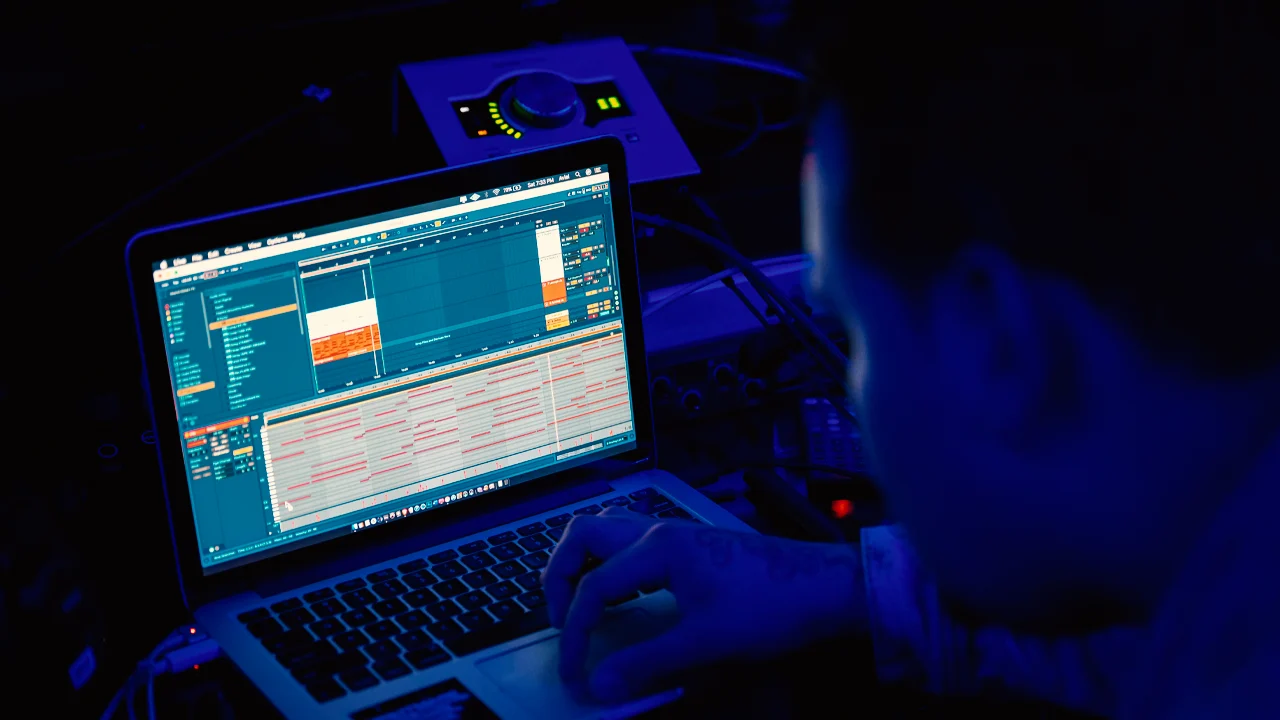
This analysis explores the Redrum phenomenon where producers add a heavy 909 kick drum beneath slow pop tracks to maintain strict club pacing for DJs during peak time sets without dropping the overall room momentum.
-
How Does Extreme Dance Music Help Regulate Human Emotion?
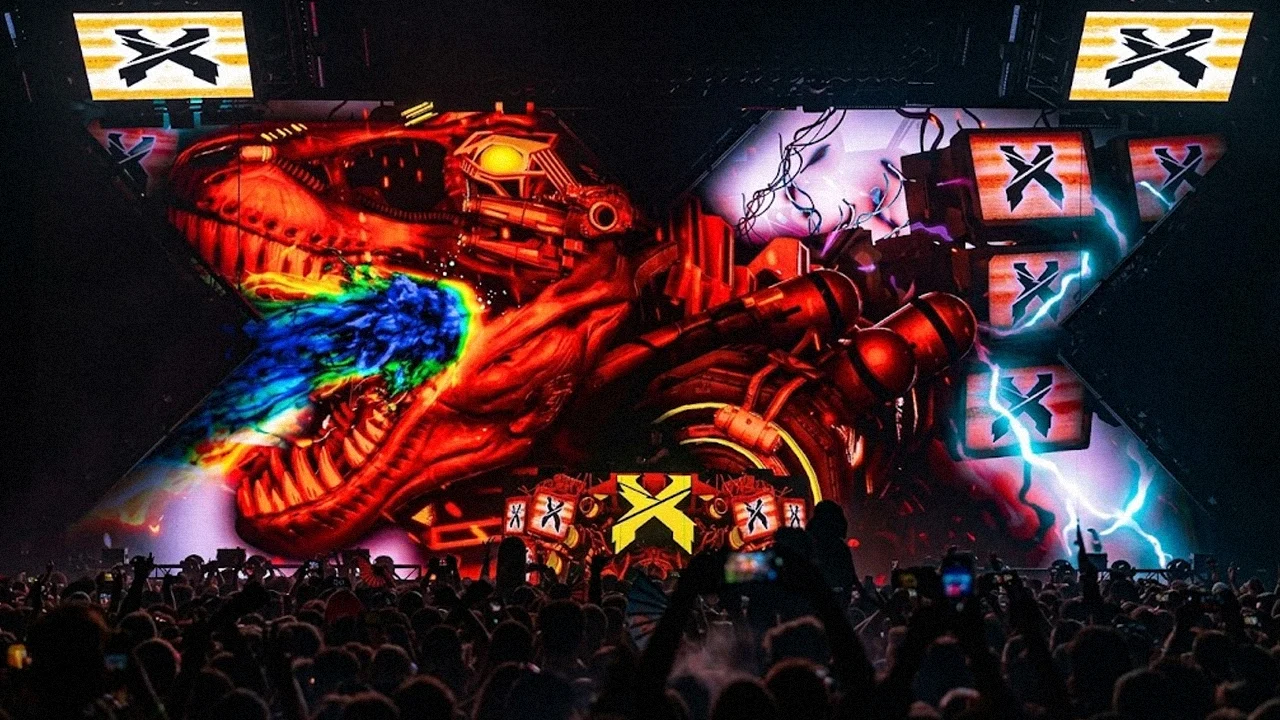
Aggressive electronic dance music festivals actively reduce hostility by providing a safe container for healthy emotional release. Through shared social identity, these intense environments continuously foster profound mutual respect alongside strict harm reduction safety protocols.
-
Unpacking the Pryda Snare: The Sound That Dominated Festival EDM

Explore the profound technical impact of the Pryda Snare on modern electronic dance music. Originating from Eric Prydz, this heavily processed drum sample completely defined festival music while sparking fierce industry backlash over commercial homogenization.
-
How the $15.1 Billion Electronic Music Industry Is Fragmenting Into Micro-Genres

Modern electronic music has officially entered the post-genre era as mainstream monolithic sounds fragment into niche micro-genres. Discover how the $15.1 billion industry is evolving through algorithmic discovery, global scenes, and deep subcultural fandom loyalty.

Written by
Midnight Rebels
- [2026.05.24] ./Midnight Rebels X &Friends Festival – Signal Breach Audio Visual Battle
- [2025.05.17] ./MIDNIGHT REBELS X &FRIENDS DJ/PRODUCER CONTEST
- [2024.10.08] ./Mc Jeey and Dean Grey: Behind the Booth
- [2024.02.11] ./Midnight Inter-City Tour: Showcasing Local DJs in Visayas
- [2023.09.10] ./Midnight Mondays Sept 11—Ian Sndrz, Velle, Lhudwig, and Khim Custodio