


 04
04
ARTURIA INTRODUCES MINIFUSE AUDIO INTERFACES
SEP. 29 2021
Section
Read Time
Written By
[ EXCERPT ]
Arturia has experimented with the creation of mid-to-high-end audio interfaces with its AudioFuse line, and it is now introducing the MiniFuse line, which is more affordable than its previous offerings.
Arturia already has a product line that includes audio interfaces. They have a good reputation in the industry. One thing they are not, however, is inexpensive. The AudioFuse is priced at $699 for the base model. It is not intended for the casual bedroom manufacturer. However, the company recognizes that the greater the number of people who make music, the greater the size of its customer base, and thus serving those at the entry level is critical. The MiniFuse product line is the solution to this problem.
The MiniFuse 1 is the most affordable of the three models in the lineup, which starts at $99 USD. A single combo input for XLR and 1/4-inch instruments is the most basic of the new devices, with a single output for both. However, it is equipped with the same preamps, 110dB dynamic range, five-year warranty, and software bundle as the rest of the company’s line. All of the MiniFuses can also function as USB hubs, allowing you to connect a controller through the interface while conserving valuable port space on your computer. The MIDI in and out ports are the most important thing to consider when choosing the most affordable option. It is also not possible to combine direct monitoring with the USB output; instead, you can only switch back and forth between the two.
The $149 MiniFuse 2 adds a second input, as well as MIDI in and out ports, as well as a mix control for balancing between direct monitoring of your input and what’s coming out of your PC’s sound card or computer. This comes in handy when recording live audio in situations where even the smallest amount of latency is unacceptable.


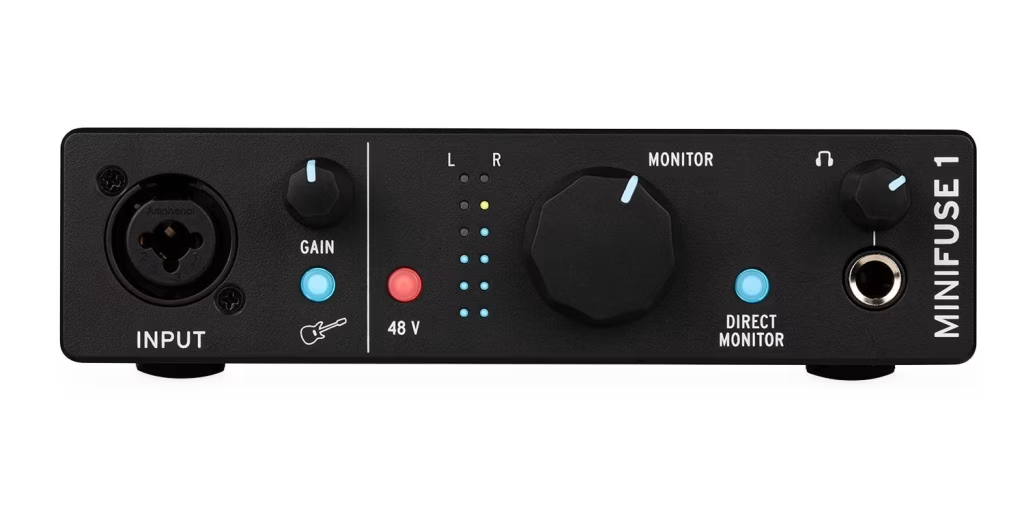

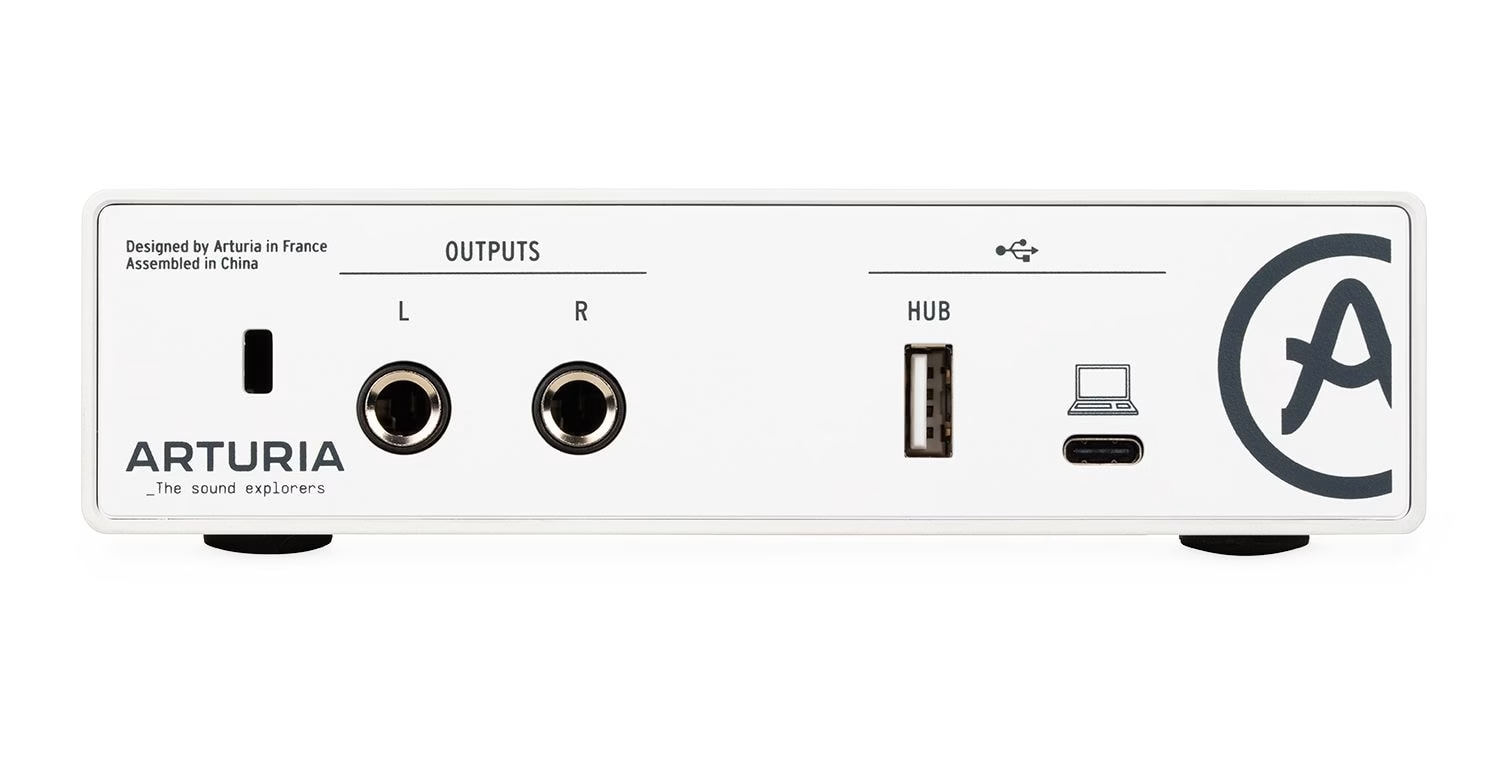


The MiniFuse 4 hasn’t been given a price yet, and it won’t be available for purchase until next year. However, it has line inputs around the back, as well as two additional audio outputs and an additional headphone jack, allowing you and a collaborator to both monitor a track at the same time without adding additional noise to your recording space. If you use a significant amount of outboard gear or frequently collaborate with a vocalist, this is most likely the best option for you. The additional outputs and inputs are particularly useful for routing audio out of your computer, processing it with external effects, and then routing it back into your DAW for final mixing and mixing.
With the MiniFuse line, you get a substantial software package that includes Ableton Live Lite, Analog Lab Intro, a bundle of four Arturia FX, Native Instruments Guitar Rig 6 LE, and three-month subscriptions to Auto-Tune Unlimited and Splice.
Pre-orders for the MiniFuse 1 and MiniFuse 2 are now being accepted, with shipping scheduled to begin in November.
-
8 Underrated Producers Who Made The Careers Of Superstar DJs

While headline DJs dominate festival mainstages, these 8 underrated producers are the actual studio minds behind their biggest hits, quietly engineering the global dance music economy behind the scenes.
-
What Is the Amen Break and Why Is It Everywhere in Electronic Music?

A 5.2-second drum solo recorded in 1969 changed electronic music forever. Uncover the technical history of the Amen Break, from early hardware samplers and pitch-shifting to the massive copyright anomalies that left its creator broke.
-
Filipino-American Artist CQ Releases Vocal-Forward Electronic Single Gravity

Emerging electronic music artist CQ releases her highly anticipated new single Gravity. Blending airy vocal melodies with heavy bass rhythms, the multidisciplinary creator painted the cover art and celebrates with a Connecticut release launch party.
-
From Afrika Bambaataa to Drift Phonk: The Four-Decade Evolution of the 808 Cowbell

Explore the analog synthesis and cultural legacy of the Roland TR808 cowbell. From detuned hardware oscillators to the high speed melodic leads of drift phonk, discover how this iconic synthetic clank redefined global electronic music.
-
Redrum Edits Phenomenon Pros And Cons For Modern DJ Sets
This analysis explores the Redrum phenomenon where producers add a heavy 909 kick drum beneath slow pop tracks to maintain strict club pacing for DJs during peak time sets without dropping the overall room momentum.
What We Covered

Written by
Midnight Rebels
- [2026.05.24] ./Midnight Rebels X &Friends Festival – Signal Breach Audio Visual Battle
- [2025.05.17] ./MIDNIGHT REBELS X &FRIENDS DJ/PRODUCER CONTEST
- [2024.10.08] ./Mc Jeey and Dean Grey: Behind the Booth
- [2024.02.11] ./Midnight Inter-City Tour: Showcasing Local DJs in Visayas
- [2023.09.10] ./Midnight Mondays Sept 11—Ian Sndrz, Velle, Lhudwig, and Khim Custodio