

 55
55
15 Years, Countless Hits: Ian Sndrz Talks Tech, Trends, and Tenacity
SEP. 18 2023
Section
Read Time
Written By
[ EXCERPT ]
Within his 15th year as a DJ Producer, Ian Sndrz shares valuable insights into his journey and the evolving landscape of DJing and music production, navigating the challenges with adaptability, continuous learning, and originality.
Within his 15th year as a DJ Producer, Ian Sndrz shares valuable insights into his journey and the evolving landscape of DJing and music production, navigating the challenges with adaptability, continuous learning, and originality.
15 Years, Countless Hits: Ian Sndrz Talks Tech, Trends, and Tenacity
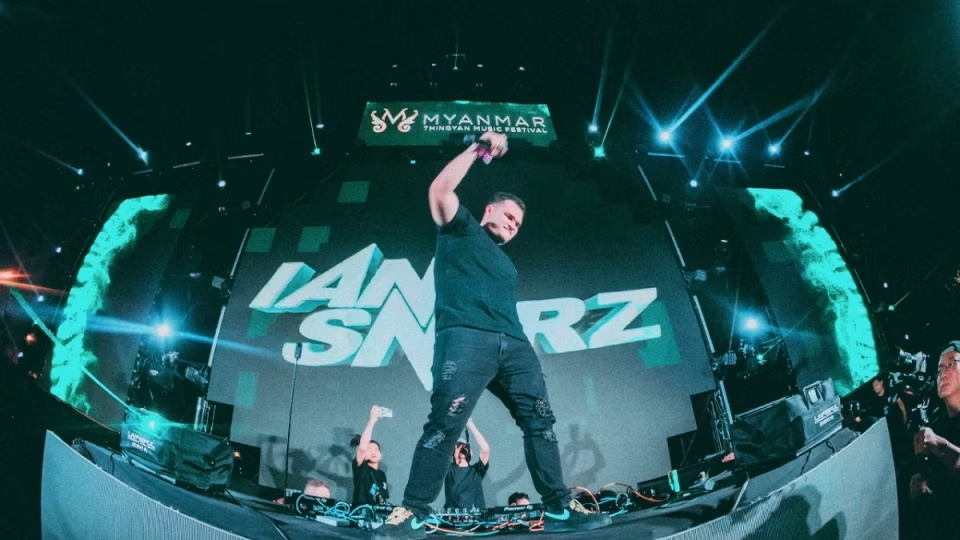
In his 15th year as a DJ Producer, Ian Sndrz shares valuable insights into his career and the ever-changing world of DJing and music production. He discusses adapting to challenges, the importance of continuous learning, and maintaining originality.
Over the past 15 years, the Philippine nightlife industry has undergone a massive transformation, largely due to social media. This has profoundly impacted Ian Sndrz’s work, creating a constantly engaged audience and new collaborative opportunities. However, this increased visibility also means greater responsibility for DJs as public figures. Ian has cultivated an “owner’s mindset,” believing determination is crucial for success in this dynamic industry. This interview captures his insights from his 15th-year anniversary.
Navigating the Evolving World of DJing and Music Production
This interview delves into the complexities of Ian Sndrz’s career, exploring how he navigated the changing world of DJing and music production. He highlights the importance of adaptability and continuous learning in a rapidly changing industry. He also discusses the impact of streaming services, emphasizing their potential for broader reach and preserving one’s work. Ian emphasizes the significance of originality in standing out amidst the abundance of music.
Interview Questions and Answers
1. How has the nightlife industry changed in the past 15 years in the Philippines? How has that affected your work as a DJ Producer?
The nightlife industry in the Philippines has seen considerable changes over the past 15 years, with social media being the most significant factor. Social media means you’re always “on stage,” catering to a constant audience. While demanding, it offers benefits like building connections and collaborating with other artists, something that wouldn’t have been possible before. This wider reach also brings more responsibility; DJs are public figures whose actions have a broader impact. My journey has instilled an “owner’s mindset”— success is determined by one’s resolve.
2. What are the biggest challenges facing DJ Producers today? How do you think they can be addressed?
The biggest challenge is the constant hustle. The freedom and networking opportunities are offset by job insecurity. This emphasizes the importance of passion and financial preparedness. DJ producers now need diverse skills, including social media management, photo/video editing, and content creation. The most significant challenge is the rapid evolution of music itself; what’s popular today might be outdated tomorrow.
To overcome this, continuous learning is vital. This includes exploring new subgenres, experimenting with different production styles, attending workshops, and seeking feedback. Adaptability and dedication to growth are key to navigating the ever-changing music production environment.
3. What are your thoughts on the rise of streaming services? How do you think they have impacted the music industry?
Streaming services are a game-changer! They provide access to a wider audience, immortalize your work, and offer opportunities for collaboration with artists worldwide. It allows for crediting artists correctly and provides a global platform for music. However, it’s important to continually improve and evolve within the industry.
4. What is the importance of originality in DJing? How do you stay original in a world where there is so much music being produced?
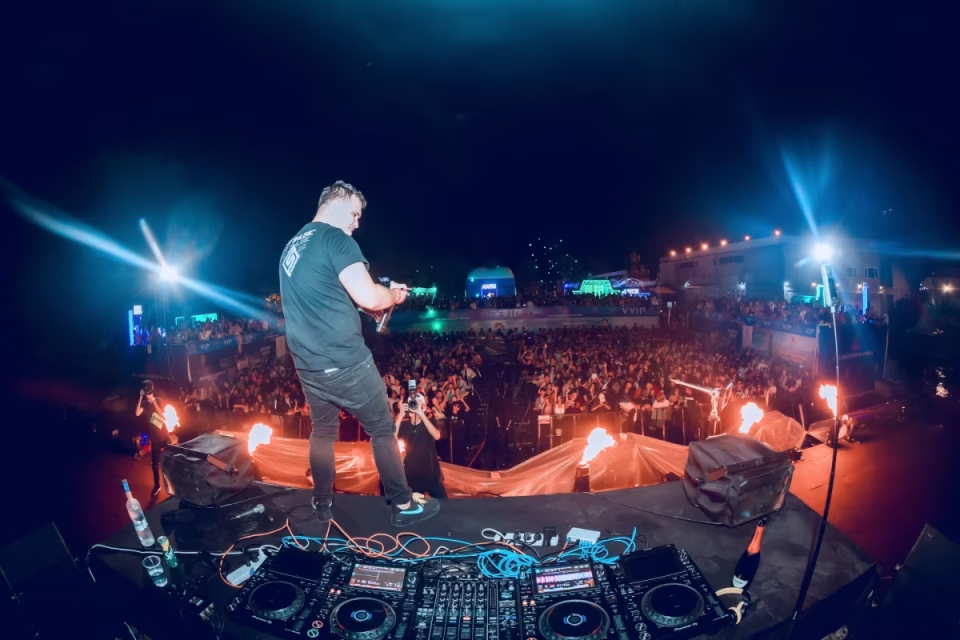
Originality is about defining your unique artistic identity. It involves drawing inspiration from diverse sources and transforming it into something new. It’s about staying true to your voice while accepting the short and long-term nature of musical consumption. Inspiration comes from everywhere. It’s crucial to stay loyal to your artistic vision and to push creative boundaries. Originality keeps your sets fresh and memorable.
5. What is the role of technology in DJing? How has it changed the way you work?
Technology has streamlined DJing significantly. In the past, DJs dealt with physical media like CDs and vinyl, whereas now USB drives and digital platforms dominate. This has increased efficiency and accessibility, allowing more focus on artistic expression.
6. What is the relationship between DJing and art? How do you see your work as a DJ Producer as a form of art?
DJing and music production are undoubtedly art forms. DJing involves curating and blending tracks to create a unique musical experience, acting as a musical storyteller. Music production involves translating emotions and experiences into music through artistic choices in sound design, melody, instrumentation, and arrangement. As a DJ producer, it’s a fusion of these artistic expressions, connecting with the audience on a deeper level.
7. What is the importance of diversity in DJing? How can we make the industry more inclusive?
Diversity in DJing is essential. It’s a two-way street; everyone must work together to create safe spaces for expression. The goal is a culture of respect, where everyone feels welcome and valued.
8. What is your vision for the future of DJing? What do you think the industry will look like in 10 years?
In 10 years, AI will likely play a larger role, enhancing creativity and streamlining processes. Greater collaboration and support within the industry are also anticipated, strengthening the sense of community.
9. What are some of the risks and rewards of being a DJ Producer?
The DJ Producer life involves long hours, travel, competition, and the constant need for adaptation. There’s the pressure of performing and the unpredictable nature of the industry. However, the rewards include creative freedom, self-expression, and the chance to authentically live your passion.
10. How do you balance your creative and business goals?
Balancing creative and business goals requires a clear vision, goal setting, structured planning, and regular review. Adaptability to the industry’s dynamism is also essential.
11. What is the most important thing you have learned in your career as a DJ Producer?
The biggest lesson is the balance of freedom and responsibility. There’s risk involved, but the potential rewards are significant.
12. What advice would you give to someone who wants to become a DJ Producer?
Be prepared for financial instability initially; invest in yourself; expect intense competition and rejection; learn English; and master self-promotion and marketing.

13. How has your experience working with Sora Music been? What are some of the challenges and opportunities you have faced as part of the label?
Working with Sora Music Group has been an amazing experience filled with opportunities for growth and connection with fellow artists. The label prioritizes careful planning for each release, but unforeseen challenges have arisen. These challenges, however, have been valuable learning experiences, pushing for continuous improvement.
14. What are your hopes for the future of Sora Music?
Sora Music Group aims to consistently deliver exceptional music and discover new talents, ultimately bringing joy through music.
15. What are you most excited about for your upcoming tour? What are you most nervous about?
The upcoming tour is exciting, yet there’s nervousness about delivering perfect performances for the audience and team.
16. EXTRA: Who would you like to thank for being supportive for the past 15 years?
I thank my mentors DJ Bone, DJ Ohm, and CJ Fondevilla; the Bigfish Manila team (George Frederick, Chris Reauber, Johnboy Lee, Moumen Daker, and Pixie Lolarga); Gavin Skewes; and Jenil.
Ian Sndrz is a successful DJ and music producer who has adapted to the music industry’s changes over 15 years. His dedication and belief in music’s power inspire aspiring artists.
Read also: Don’t Sound Like Every Other DJ: 5 Ways to Build a Signature Style
What We Covered

- [2026.07.02] ./Why the fight against AI music is just history repeating itself on a bigger scale
- [2026.06.30] ./Six-Time Grammy Nominee Fatboy Slim Shares Turning Point in Sobriety
- [2026.06.21] ./The Atlantic AI Watchdog tool unmasks widespread music copyright theft
- [2026.06.15] ./How Gotye Used His Pop Fortune to Restore Electronic Music History
- [2026.06.09] ./Midnight Rebels and &Friends Announce Signal Breach Winners