A musical rendition of the Butterfly Nebula has been released on Instagram by NASA, the National Aeronautics and Space Administration. It was made using a technique known as data sonification — the conversion of data into sound — and a variety of instruments to create the deep space sounding soundtrack.
In an Instagram post, NASA explained that each wavelength of light has been coupled with a distinct family of instruments to create a “symphony of calming sounds,” which can be heard panning from left to right. ‘The ‘wings’ of the butterfly are portrayed by strings and synthesized tones, while the stars are represented by an electronic harp.’
The Butterfly Nebula, commonly known as NGC 6302, is a luminous cluster and nebulae in the night sky of the planet Earth that may be seen from space. It was given this name because it resembles a fluttering butterfly, and it is around 2,500 to 3,800 light-years away from Earth. With a surface temperature of over 250,000°C, the dying central star of the Butterfly Nebula has likewise become extraordinarily hot, according to estimates. The Butterfly is glowing brilliantly in ultraviolet light, but it is obscured from direct vision by a dense torus of dust that has formed a pair of space cloud wings around the butterfly.
The close-up image NASA utilized for data sonification was taken in 2009 by the Wide Field Camera 3 on the Hubble Space Telescope, which was deployed on the final shuttle servicing mission and was captured by the Hubble Space Telescope in 2009.
Despite the fact that the sound clip may not be completely close to what it would actually sound like in space, as NASA has stated, it simply gives us all the feels! Listen to the calming symphony emanating from beneath the surface.
-
Best Dance & Electronic 2026: Gesaffelstein, FKA Twigs, and Tame Impala Take Home Grammys
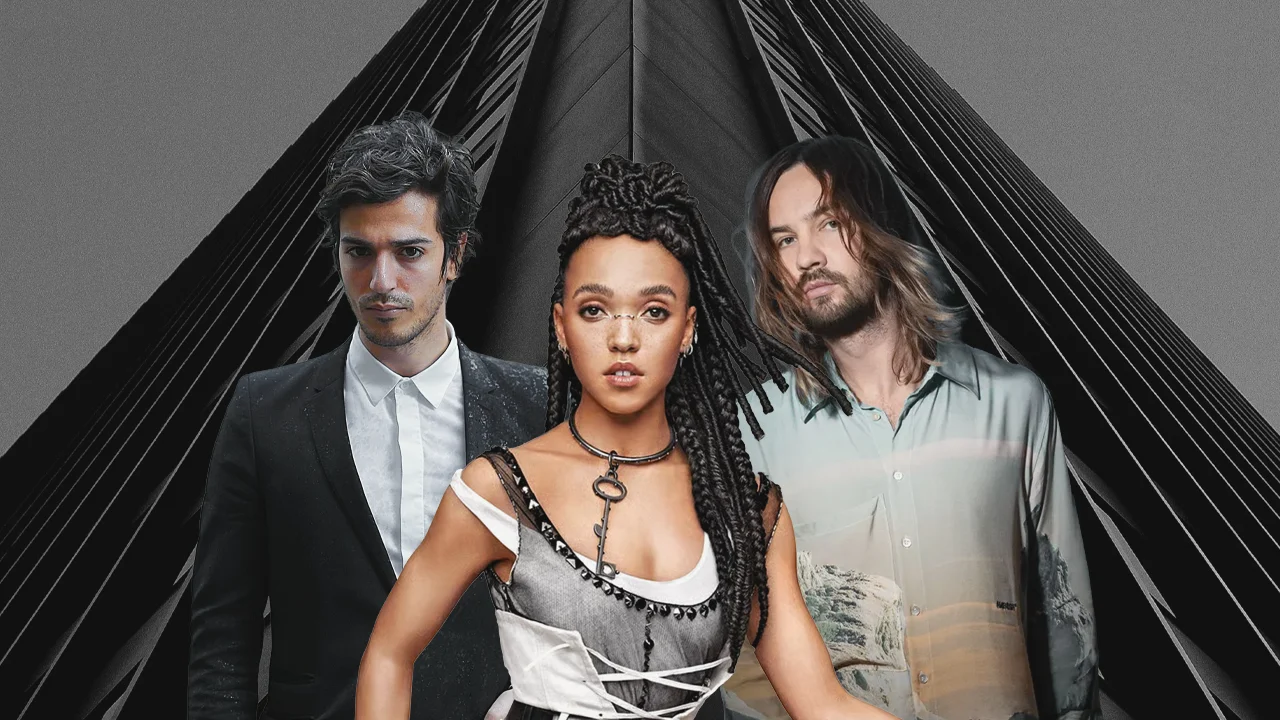
A trifecta of electronic visionaries claimed gold at the 2026 Grammys. From Gesaffelstein’s industrial remix win to FKA Twigs’ avant-pop album victory and Tame Impala’s psychedelic triumph, discover how these three acts defined the night.
-
Is EDM Trap Making a Comeback in 2026?

Dillon Francis and Flosstradamus reunite for the massive 2026 Dillstradamus tour, spearheading a trap revival alongside RL Grime and ISOxo. We analyze the nostalgia, the new sound, and why 2026 feels like 2016.
-
The 6,291 Shards of EDM: A 2026 Field Guide to Electronic Music Subgenres
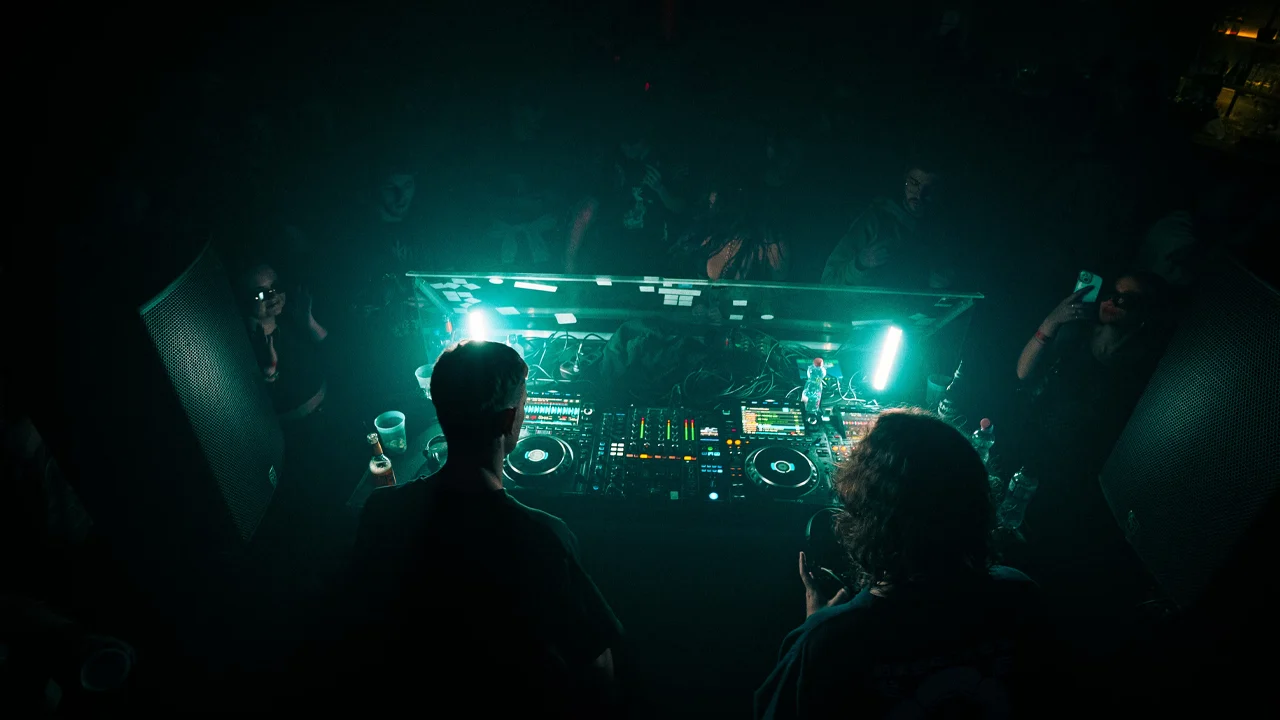
Dive into the evolving taxonomy of electronic dance music. From South African 3-Step to the viral velocity of Speed Garage, we explore how 6,291 algorithmic genres trace back to foundational 23 acoustic clusters.
-
The Speed Garage Resurgence: Why 2026 Is All About the Bounce

The tempo has officially shifted. 2026 is being defined by a hyper-kinetic, dopamine-rich revival of Speed Garage. We explore the artists, the sound, and the vibes driving the year’s biggest trend.
-
Top EDM Tracks That Defined 2016: A Look Back
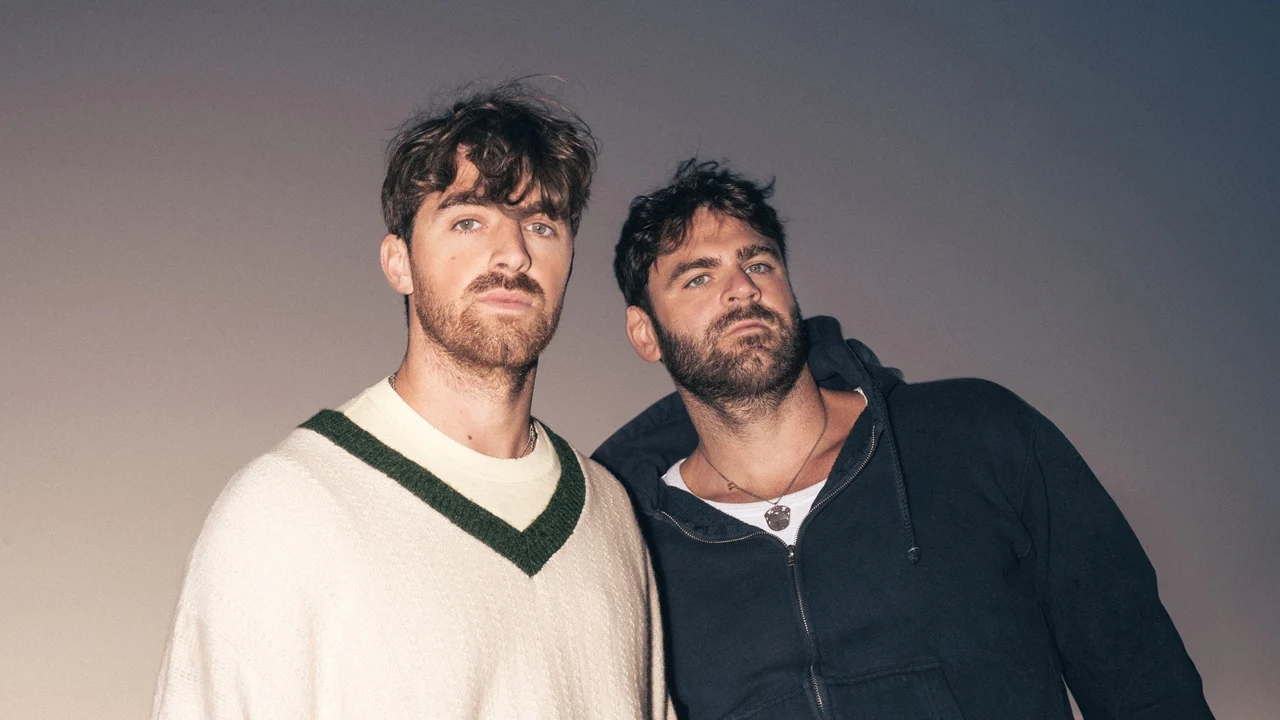
The 2016 electronic music scene, marked by nostalgia and emotional depth, saw the rise of Future Bass, influential albums like Flume’s “Skin,” and hits from artists like The Chainsmokers, shaping popular culture.
* generate randomized username
- COMMENT_FIRST
- #1 Lord_Nikon [12]
- #2 Void_Reaper [10]
- #3 Cereal_Killer [10]
- #4 Dark_Pulse [9]
- #5 Void_Strike [8]
- #6 Phantom_Phreak [7]
- #7 Data_Drifter [7]
- #8 Zero_Cool [7]