

The global electronic music industry reached a record valuation of $15.1 billion in 2025. This figure represents a 7% annual growth rate. The sector outpaced the wider music market’s streaming slowdown by monetizing fan communities and physical experiences. Data confirms this trend.
Industry leaders gathered in Ibiza to analyze these metrics during the 17th International Music Summit. Taking place from April 22 to April 24 at the Mondrian and Hyde complexes, the 2026 event operated under the theme “Reclaim the Dancefloor”. Presenters confronted the friction between corporate expansion and local club culture. The summit functioned as a critical assessment of live event economics, artificial intelligence, and artist development.
TL;DR The global electronic music industry hit a $15.1 billion valuation in 2025, driven by expanded rights and Global South markets. At the 2026 International Music Summit in Ibiza, leaders navigated artificial intelligence integrations, premium live event economics, and the rising careers of award-winning DJs Marc De Groot and Miaow.
How Is the Industry Sustaining a $15.1 Billion Valuation?
The 2026 IMS Business Report revealed a mature financial ecosystem. Mark Mulligan of MIDiA Research authored the findings. He highlighted a massive 21% surge in revenue generated from expanded rights. This category includes direct-to-consumer sales, premium merchandise, and sponsorships.
Streaming growth has decelerated across the broader music industry. Electronic labels offset this by extracting more value from dedicated super-fans. They are successfully adopting aggressive monetization models pioneered by South Korean entertainment conglomerates.

8 EDM Artists Who Are Changing the World: From Fatboy Slim to David Guetta
The Fandom Pivot and Live Event Economics
This transition relies heavily on localized communities. The strategy is clear. Labels now deprioritize passive digital streaming. They instead focus on physical engagement and exclusive goods.
“2025 was another good year for the global electronic music market with growth rooted in thriving scenes.”
The live sector also reflects this focus on high-yield operations. Ibiza club ticket revenues hit a record €160 million in 2025. Crucially, venues achieved this financial peak while hosting fewer events.
The average number of shows per venue fell to 140. Promoters prioritized premium pricing and elite production values to maximize income from every single attendee. This efficiency model successfully counteracted global cost-of-living pressures.
What Role Does the Global South Play?
Western markets like Germany remain dominant in overall streaming volume. However, the primary engine for audience acquisition has relocated. Indonesia experienced a 77% increase in electronic music listeners on Spotify. The Global South provides a massive demographic of young internet users.
These listeners drive both streaming figures and short-form video engagement. Regional genres are now dictating global production workflows. Afro House searches on the producer platform Splice surged by 82%. The genre jumped from the tenth to the second most popular category worldwide.
African polyrhythms are fundamentally altering track structures for Western artists. The summit hosted dedicated panels to discuss ethical engagement with these exploding international markets.


Artificial Intelligence and the Creator Economy
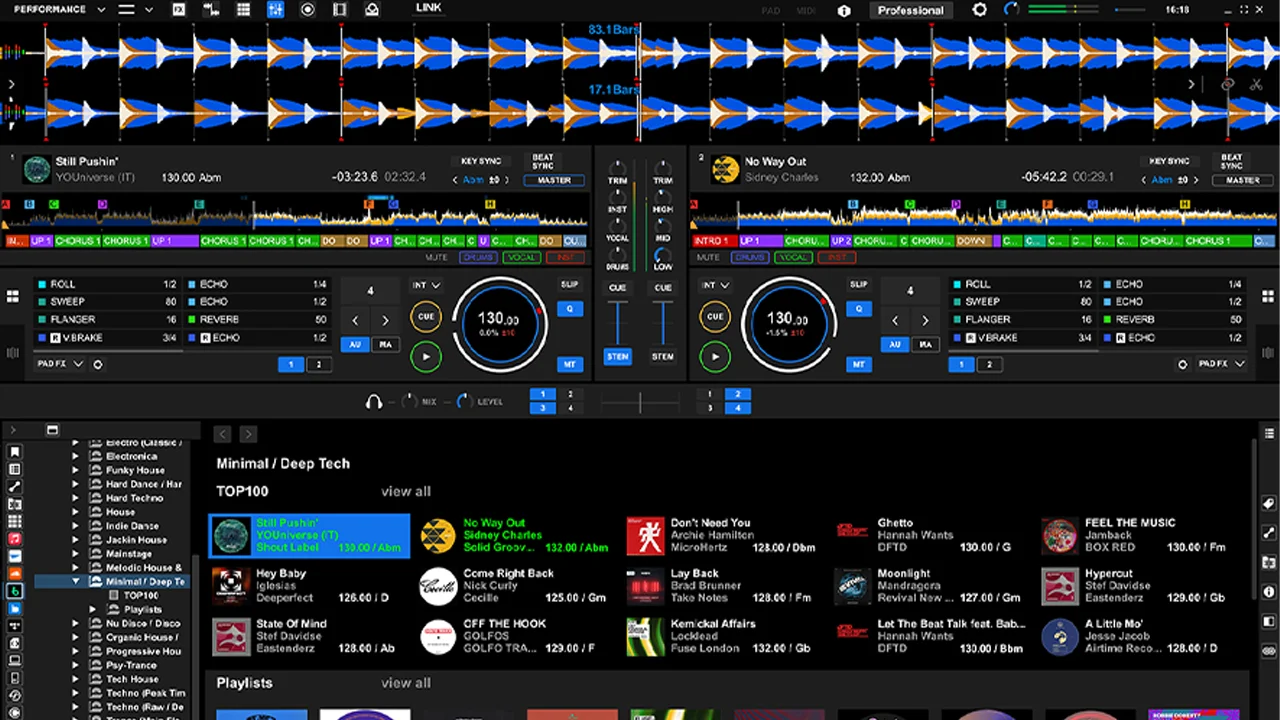
Technology remains a volatile growth catalyst. Revenue from generative AI and stem-separation tools skyrocketed by 651% since 2023. The music production software sector is now worth $333 million. These tools lower the barrier to entry for complex audio engineering.
The ease of production fuels viral sub-genres on platforms like TikTok. Electronic music drove 5.7 billion individual video creations in 2025. The modern DJ faces immense pressure to build an audience online. Research shows that new acts often believe social media metrics outrank actual talent.
The IMS panels debated the moral complexities of this algorithmic shift. Organizations like the Association for Electronic Music scrutinized the impact of fully AI-generated tracks. Experts also explored new licensing frameworks to protect human vocalists from unauthorized cloning.
The 2026 Future Talent Awards Pipeline
The Pete Tong DJ Academy utilized the summit to highlight the next generation of human talent. The academy announced the winners of the 2026 Future Talent Awards on April 24. The program functions as a crucial scouting mechanism for international labels and festival promoters.

Judges evaluated candidates on a strict requirement for dual proficiency in live performance and original studio production. The Grand Prix was awarded jointly to two distinct artists. Marc De Groot represents the highly technical United Kingdom underground circuit. Miaow operates out of the Philippines and leverages a highly visual internet-native brand.

Pete Tong noted the judging process was “particularly challenging” due to the high skill level of the candidates. Their contrasting backgrounds perfectly illustrate the decentralized nature of the modern industry.
The electronic music sector has successfully insulated itself from traditional industry slowdowns. Its $15.1 billion valuation rests on a diversified foundation of premium live events, engaged super-fans, and rapidly expanding international markets.
As algorithms and artificial intelligence reshape the mechanics of production, human communities and localized scenes will determine the cultural longevity of the genre. The tension between corporate capital and underground authenticity will dictate the next decade of dance music.
Sources & Further Reading
Summit Overview & Economic Growth
- The Event: Held from April 22–24, 2026, at Ibiza’s Mondrian and Hyde complexes, the 17th International Music Summit centered on the theme “Reclaim the Dancefloor”.
- Market Valuation: The global electronic music industry hit a record $15.1 billion valuation in 2025, maintaining a steady 7% year-on-year growth.
- Expanded Rights: Revenue from non-streaming sources—merchandise, D2C sales, and sponsorships—surged by 21%, signaling a shift toward diversified artist income.
Global Trends & Market Shifts
- Regional Explosions: The “Global South” is driving new listenership, with Indonesia seeing a 77% increase in Spotify electronic music listeners.
- Genre Dominance: Afro House has become a global powerhouse; searches for the genre on Splice jumped 82%, rising from the 10th to the 2nd most popular category.
- Ibiza Economics: While Ibiza club ticketing reached a record €160 million, venue efficiency tightened, with the average number of shows per venue falling to 140.
Technology & Artist Development
- The AI Boom: Revenue from generative AI and stem-separation tools skyrocketed by 651% since 2023, now worth $333 million.
- Social Impact: Electronic music remains the engine of short-form content, driving 5.7 billion video creations on TikTok in a single year.
- Future Talent: The Pete Tong DJ Academy Future Talent Awards named Marc De Groot (UK) and Miaow (Philippines) as joint Grand Prix winners, with Tong praising them as the “complete package” for the modern era.