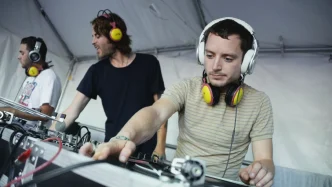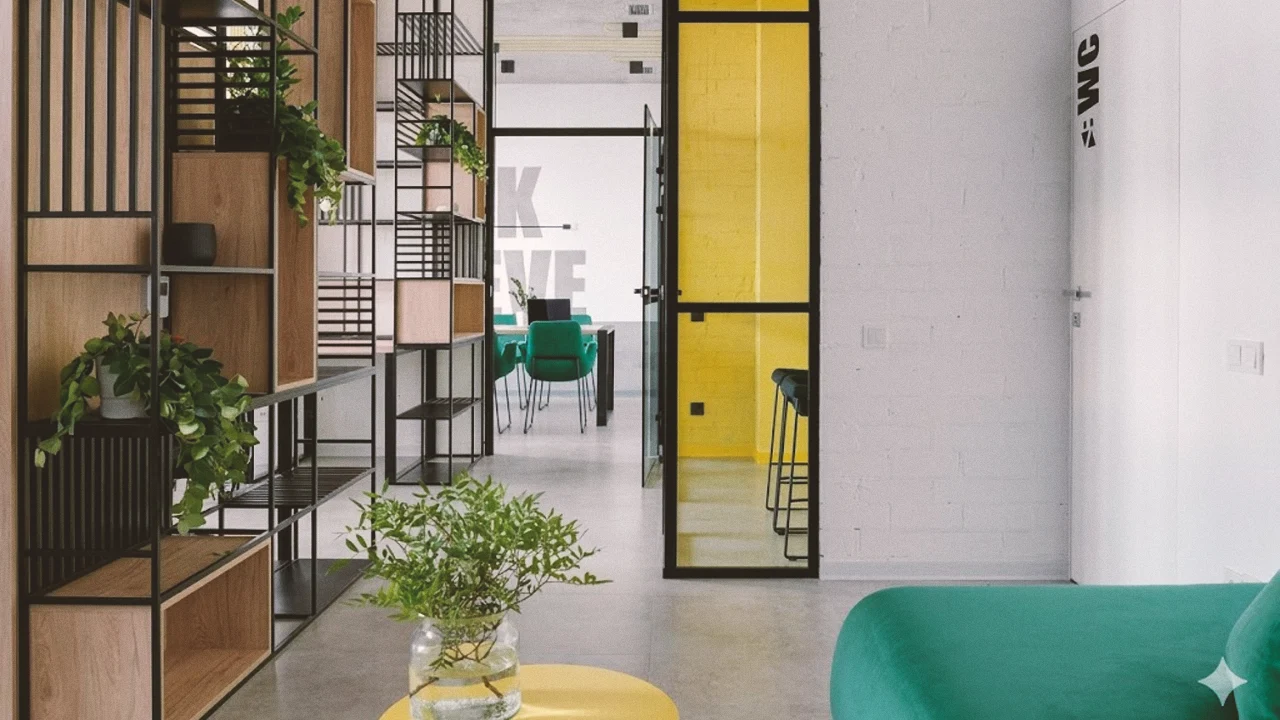

Bars and clubs are getting uncomfortably bright. In cities from London to Manila, the spaces that used to incubate heavy basslines and 140 BPM techno are undergoing a forced evolution. The sticky floors now smell like roasted espresso beans. You can rent a hot desk where the DJ booth usually sits.
This is not an aesthetic choice. It is pure survival. A merciless 2026 commercial real estate market is destroying the nightlife ecosystem. Independent spaces are adopting daytime dual use models just to pay the rent.
How did the rent crisis kill the traditional club?
The global property market is navigating a brutal refinancing crisis. Lenders are dealing with a massive wall of loan maturities hitting the commercial sector. Property owners are passing these crushing borrowing costs directly to their tenants. Landlords demand maximum yield per square foot.
A dark room that sits empty five days a week is a massive liability. Operating exclusively on Friday and Saturday nights monetizes a heavily taxed physical asset for merely 48 hours a month. Baseline monthly running costs for an event venue now average around $74,000. Fixed commercial rent eats up nearly 30 percent of that budget.
Nightlife operators face a stark ultimatum. They must maximize daily revenue generation or face immediate eviction. Many venues are choosing to adapt. They are turning cavernous rooms into flexible daytime work environments.

New Study Confirms: The True Saviors of Underground Music Are Over 40
The Arithmetic of Dual Use Spaces
Operating a specialty café and professional workspace changes the math. It adds 70 highly monetizable hours to the weekly schedule. Venues are trading on their robust electrical grids and heavy acoustic treatments. These physical assets translate exceptionally well into premium flexible workspaces.
Real life venues are actively proving this model works. In New York, restaurants and bars like Distilled and Crave Fishbar have transformed into bustling coworking spaces during the day. Across the Atlantic, venues are following suit. Experimental hubs like ST3AM in Berlin allocate specific spatial zones for deep focus and community building during the day before transitioning back to high energy nightlife environments. High speed internet and ergonomic seating transform the dancefloor.
The revenue generated from recurring monthly memberships serves as a critical financial ballast. This daytime subsidy effectively underwrites the exorbitant commercial rent.
“It’s hard to turn a profit running a music venue, and especially an independent one.”
That stark assessment from a recent municipal study underscores the necessity of this evolution. Venue owners are not hospitality experts by choice. They are learning to manage coffee supply chains to protect their midnight artistic programming.
What happens when the crowd stops drinking?
Real estate is only half of the equation. Consumer temporal preferences are shifting aggressively toward earlier socialization. Tracking data shows the early evening window now generates higher aggregate revenue across the hospitality sector than traditional late night hours. Generation Z attendees prioritize authentic social connection but actively reject the physiological toll of traditional clubbing.
This cultural shift dismantles the core revenue engine of the bar and club scene. High volume alcohol sales historically generated the actual operating profit necessary to survive. That model is collapsing. The cultural pivot toward wellness is profound, and reading about how the zero proof movement impacts independent venues reveals a sector forced to find alternative income.
Sober daytime events are surging in popularity. Eventbrite data shows attendance at daytime music parties increased by 44 percent over the past year. The peak hours for electronic music events are rapidly shifting to the late afternoon. Coffee shops and yoga studios are becoming legitimate arenas for deep house and techno.
The Global Eradication of Cheap Space
The search for affordable rooms is pushing scenes outward. In Southeast Asia, rapid urban redevelopment and skyrocketing land valuations are displacing cultural hubs. The closure of Savage in Hanoi perfectly illustrates this vulnerability. The local government pressured the landlord to evacuate the land for lucrative commercial redevelopment.
“The landlord couldn’t extend the lease anymore,” explained Savage cofounder Ouissam Mokretar following the abrupt New Year’s Eve closure.
Even well funded efforts to coexist are failing against luxury development. London institution Corsica Studios is closing after 24 years. A massive residential redevelopment project simply swallowed the surrounding neighborhood. The financial burden of managing constant sound mitigation requirements becomes mathematically impossible for independent operators.

Can policy save independent clubs?
Governments are experimenting with legislative interventions to halt the exodus of cultural spaces. New York City implemented sweeping zoning reforms to cut outdated red tape. The city is removing archaic cabaret laws that historically penalized dancing. They are moving toward a logical system that regulates entertainment based on physical venue size.
The state is also developing a new hybrid restaurant license. This provides a transparent regulatory pathway for spaces operating strictly as cafes during the day but transitioning into high energy rooms after dark. It allows venues to maximize their operating hours legally.
Bars and clubs fight back. The physical environments required to host these communal gatherings have been irreparably altered by global capital. Yet the cultural output adapts in real time. The true spirit of the rave is finding new life right next to the espresso machine.
Sources & Further Reading
Date: 2026 (The contextual year of the commercial real estate and nightlife crisis).
Named Event: A “wall of loan maturities” hitting the commercial sector.
Statistic: $74,000 (The average baseline monthly running costs for an event venue).
Statistic: Nearly 30 percent (The portion of a venue’s budget consumed by fixed commercial rent).
Named Venues: Distilled and Crave Fishbar (Real-life New York venues utilizing the daytime coworking model).
- https://daily.sevenfifty.com/why-bars-and-restaurants-are-becoming-coworking-spaces/
- https://coworkingmag.com/blog/restaurants-turning-into-coworking-spaces-day-time/
Named Venue: ST3AM (A hybrid workspace in Berlin featuring specific zones for deep focus and nightlife).
Named Event & Quote: A recent municipal study / “It’s hard to turn a profit running a music venue…” (From the Nashville Independent Venues Study).
Event/Data Trend: The early evening window generating higher aggregate revenue than traditional late-night hours.
Named Demographic: Generation Z (Attendees shifting toward earlier, sober socialization).