


 75
75
Why Independent Electronic Music Promoters Are Returning to Physical Marketing
APR. 5 2026
Section
Read Time
Written By
[ EXCERPT ]
The digital ecosystem of dance music is evolving rapidly. Independent promoters are moving away from expensive social media ads and algorithmic suppression. They are successfully returning to physical handbills and street teams to build communities.
The digital ecosystem of dance music is rapidly shifting. As a working DJ and producer I feel this evolution nightly. I also work as a commissioned graphic artist. I spend hours designing club posters in Photoshop and rendering 3D concert visuals in Blender and After Effects.
The Long and Short of It
Independent electronic music promoters are abandoning social media advertising due to skyrocketing costs, algorithmic suppression, and bot-inflated metrics. To guarantee authentic audience curation and higher return on investment, successful organizers now rely on physical handbills, localized street teams, and strict phone-free venue policies.
Holding a freshly printed heavy cardstock copy of my own artwork provides a tangible weight that a glowing screen cannot replicate. The most successful independent organizers are recognizing this same truth. They are pivoting away from saturated feeds for a deliberate return to physical marketing.
Paper Beats Pixels
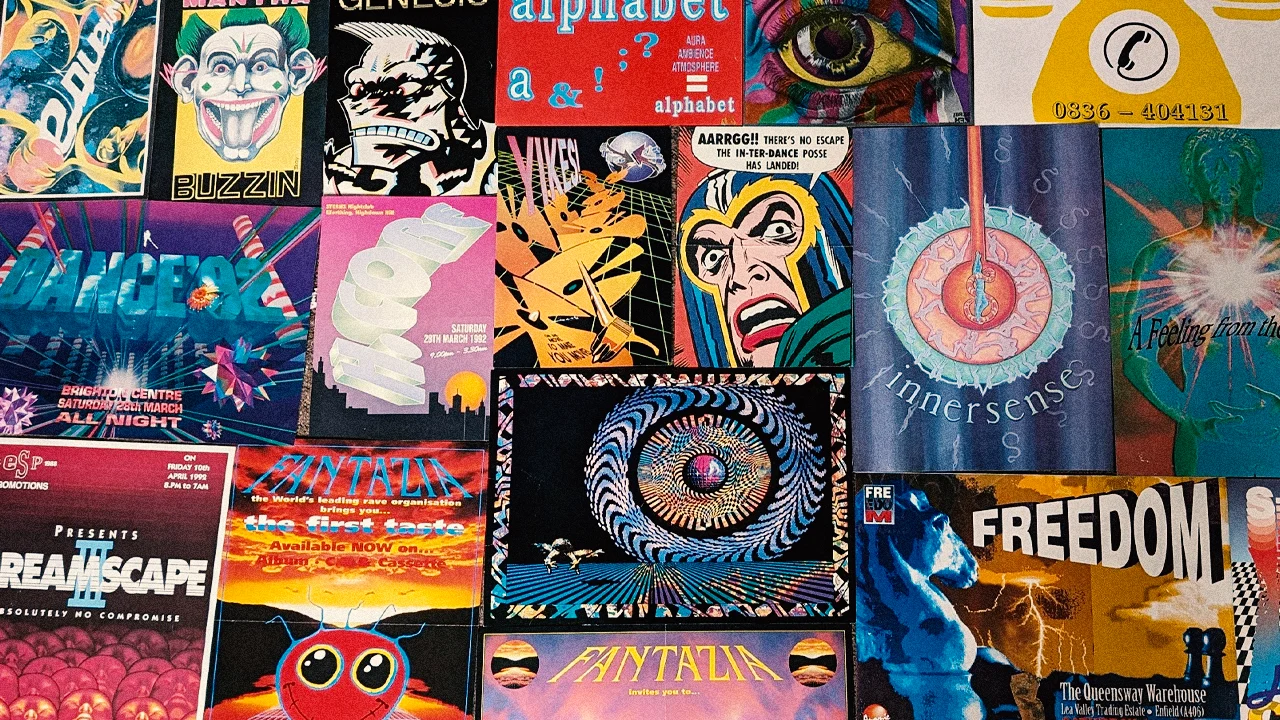
Flyers are no longer retro novelties. They are highly efficient conversion tools. Printed materials boast a response rate around 4.4 percent. Digital display ads scrape by with a fraction of that engagement. Handing a glossy card to a fan outside a record shop forges immediate trust.
Physical marketing triggers regions of the brain associated with value and desire. Temple University researchers proved that tangible ads leave a heavy emotional footprint. The object lingers on kitchen counters and refrigerator doors. It demands attention. A scrolling digital ad vanishes in milliseconds.
The hard data explains why analog promotion easily crushes digital saturation:
- Algorithms bury online posts instantly. Meanwhile nearly half of consumers keep physical flyers in their homes for future reference.
- Physical handbills hit open rates of 85 percent. They bypass digital ad blockers and spam folders entirely.
- Nearly 90 percent of people remember receiving a printed flyer. The sensory weight of heavy paper locks the event into human memory.
The End of Hashtag Stuffing: Social Media Optimization for Electronic Music Artists
Mobilizing the Street Team
Promoters are deploying organized street teams to intercept fans in the wild. These foot soldiers hit the pavement outside dark techno clubs and independent coffee setups. The distribution is surgical. They operate with intense location intelligence.
This analog tactic is quietly powered by modern data tracking. Promoters stamp custom QR codes and UTM parameters onto every physical handbill. This hybrid model bridges the gap between a paper flyer and a digital box office. Agencies specializing in face-to-face marketing report driving returns on investment around 350 percent.


Rejecting the Content Machine
Social media fatigue is suffocating both artists and ticket buyers. The modern DJ is forced to participate in an exhausting performance culture. Musical talent often takes a backseat to selfie engagement and relentless video recaps. The culture is burning out.
“It’s about finding a nice little space where you can just gather, and then get your friends to help you, because you can’t do it by yourself.”
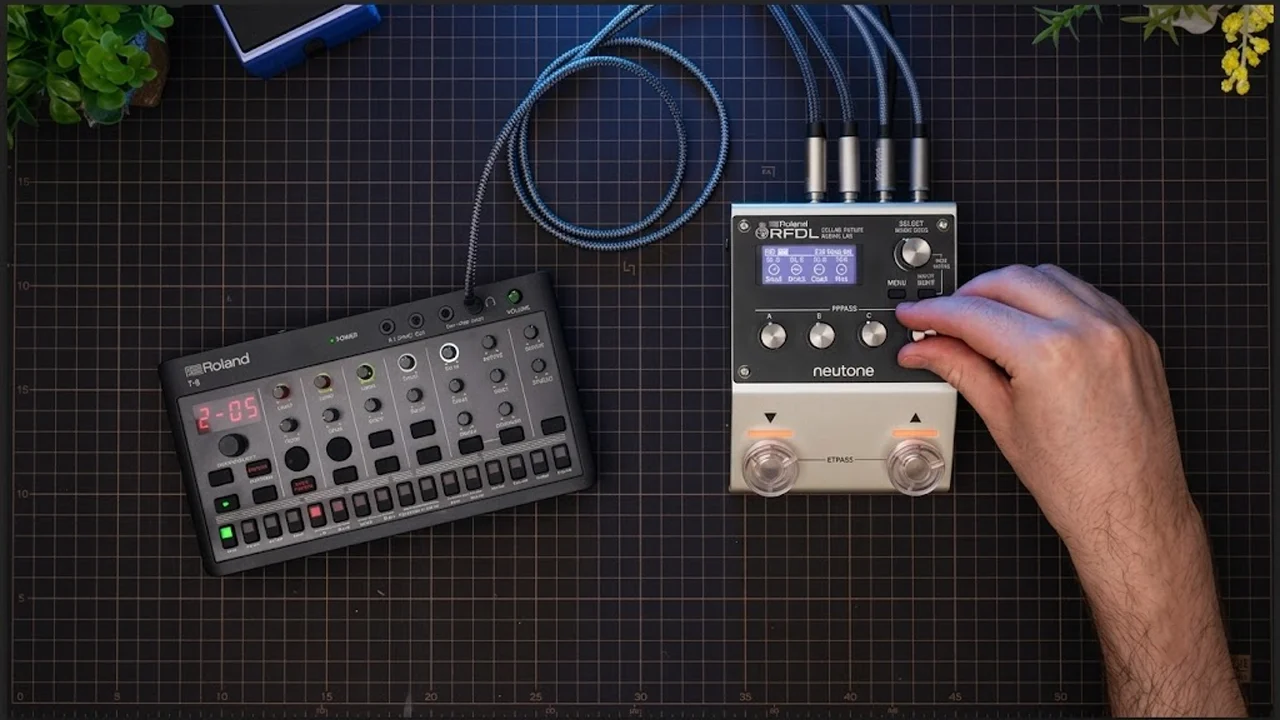
Alex Rita of the London collective Touching Bass highlights the necessity of localized human effort. You cannot build a durable scene inside a comment section. It requires heavy lifting. It requires physical bodies in a room and heavy analog gear.
The Zero Signal Dancefloor
A motionless crowd bathed in smartphone glow kills the room. Audiences desperately crave connection away from the cameras. Venues across the globe now mandate strict phone-taping policies. The commercial trade-off is obvious.
“We went into it with eyes wide open,” says Josh Buhler regarding his club’s strict phone ban. “In the end, word still spreads anyway.” Banning phones eradicates free digital marketing while forcing the crowd to actually dance.
The Houghton Festival models this extreme analog philosophy flawlessly. Tucked deep in the Norfolk woods, the entire site notoriously lacks cell reception. Attendees navigate via printed maps and physical set times. It is a massive departure from standard digital booking and promotion. You have to be fiercely present.
Generation Z Demands Weight
Do not mistake this shift for millennial nostalgia. Generation Z is the demographic engine driving the physical media revival. Raised entirely inside the internet, they view the digital realm as heavily corporate and sanitized. They want heavy bass. They want tangible artifacts.
High-energy subgenres like hard techno and footwork are dominating the modern electronic scene. The crowd physics at 160 BPM demand intense bodily exertion. You cannot passively record a video when the music forces you to sweat. The next legendary party will not appear on your feed. You will have to look for the flyer.
Sources & Further Reading
The Digital Reality Check
- Rising Costs: Hard data on Meta Ad Benchmarks shows that CPM (Cost Per Mille) continues to climb in 2025/2026, making digital reach increasingly expensive for independent artists.
- Metric Inflation: Industry reports highlight that automated bots are inflating social metrics, rendering “likes” and “follows” less reliable than actual transaction data.
- Algorithmic Pressure: DJs face an exhausting performance culture where content creation often overshadows the music, leading to burnout and creative dilution.
The Return to Physical Marketing
- The Neuroscience of Print: Research from Temple University suggests physical advertising has a deeper neurological impact than digital; tangible media is processed more emotionally and remembered longer.
- Conversion Efficiency: Physical flyers can offer superior conversion rates compared to oversaturated digital feeds by capturing attention in a less cluttered environment.
- Human Connection: Face-to-face street team marketing continues to generate massive ROI by building trust and personal rapport that algorithms cannot replicate.
Reclaiming the Dancefloor
- Phone-Free Policies: The rise of phone-free clubbing is forcing a return to organic word-of-mouth promotion, as attendees focus on the experience rather than recording it.
- Communal Movement: Collective spaces like London’s Touching Bass emphasize the necessity of physical community gathering to maintain the “soul” of underground music scenes.

- [2026.07.06] ./Generative AI Migrates From Cloud DAWs Directly to Standalone Performance Hardware
- [2026.07.03] ./Sony Music vs Udio: Judge Rejects 30,000-Track Lawsuit Expansion Motion
- [2026.06.30] ./TIDAL Enacts Zero-Royalty Policy for Fully AI-Generated Music Catalog
- [2026.06.28] ./The End of Anonymous AI Integration in Modern Music Production
- [2026.06.26] ./What Makes Cebu’s Sub-Bass Culture a Must-Experience at Fête de la Musique 2026?