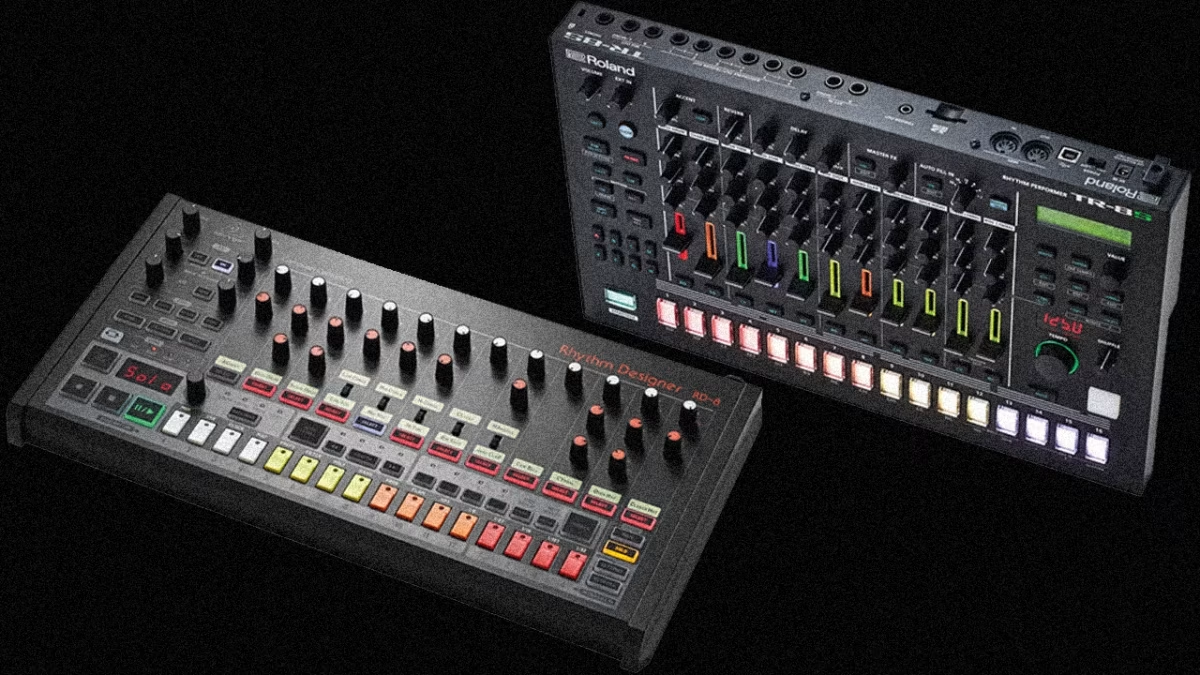

Main takeaway: Behringer builds affordable versions of classic Roland synths and drum machines by using expired patents and careful design changes. This strategy meets strong demand but sparks debate in the gear community.
Behringer targets popular Roland instruments whose core patents have expired. These expired patents let any company copy the circuitry and functionality without breaking the law. Behringer then changes case shapes, logos, and control layouts just enough to avoid trade dress issues.
When Roland or Boss saw designs that were too close, they sued. In 2005 Roland took legal action over pedal designs. The case ended in a settlement. Behringer agreed to tweak the look but kept the electronics intact.
In 2006 the companies settled another dispute. Behringer modified their pedal packaging and names. They continued making budget-friendly clones.
Why Musicians Want Behringer Clones
Original Roland gear can cost thousands of dollars on the used market. Some models are rare or need expensive repairs. Behringer offers:
- Affordable analog clones: Their RD-78 models the Roland CR-78 drum machine. It sells for around $199 instead of $2000 for a vintage unit.
- Modern updates: Built-in MIDI, USB ports, extra effects, and more flexible sequencing.
- Reliable new builds: No need to hunt for working vintage parts.
These features let hobbyists and pros access classic sounds without draining their budgets.
| Roland Original | Behringer Clone | Notes |
|---|---|---|
| TR-808 Drum Machine | RD-8 | Affordable 808 sound with MIDI and USB. |
| TR-909 Drum Machine | RD-9 | Modern recreation of 909 kick and hats. |
| CR-78 Drum Machine | RD-78 | Sells for ~$199 vs. ~$2000 vintage . |
| TB-303 Bass Synth | TD-3 | Adds accent, slide, and MIDI over original. |
| SH-101 Monophonic Synth | MS-101 | Includes filter overdrive and multiple outputs. |
| 606 Drum Machine | RD-6 | Compact 606 sounds with pattern storage. |
Calculated Legal Risk
Behringer treats lawsuits as part of their playbook. If a design crosses the line, they settle rather than fight a long court battle. This approach keeps legal costs low and production lines moving. It also tests how close they can get to iconic gear before getting sued.

Is the Roland TR-1000 Worth $2,699? A Deep Dive Into the Features
Community Reactions
Forum members and social media posts show split opinions. Some users call cloning unethical. Others praise Behringer for opening up access to classic instruments.
Critics say copying designs feels like plagiarism and hurts innovation:
“This is basically the same gear with a different name. No real effort went into design or R&D”.
“Shipping a knockoff that looks almost identical is shady”.
Supporters say Behringer fills a gap left by big brands:
“Roland prices are out of reach for many. Behringer makes it possible to use these sounds in real projects”.
“Their clones often add features Roland never included”.
Impact on Roland and the Market
Behringer’s moves have prompted Roland to rethink pricing and reissues. In recent years, Roland launched its own boutique lines with modern twists. The pressure from cheap clones means established brands must balance profit margins with customer demand.
Key Points to Remember
- Expired Patents
Roland’s early gear patents ended long ago. This makes the electronics fair game. - Trade Dress Tweaks
Behringer changes appearance enough to avoid lawsuits about lookalikes. - Legal Settlements
When sued, Behringer settles fast and keeps selling. - Affordable Access
Clones cost a fraction of vintage originals and add modern features. - Community Split
Some see clones as theft. Others see them as a win for musicians.




Roland is a cheap Sequential Prophet and other instruments invented in the U.S.. There you have it. It’s their own game they don’t like.