


 37
37
How Climate Change is Freezing the Electronic Music Touring Economy
MAR. 2 2026
Section
Read Time
Written By
[ EXCERPT ]
Extreme weather is actively devastating the independent electronic music touring economy, forcing widespread cancellations. Discover how new climate risk modeling, flexible ticketing policies, and digital SEO strategies are saving this fragile, vital live entertainment ecosystem.
The global electronic music scene operates on a fragile kind of magic. You pack a van or book a flight, load the backline, and show up to make a dark room sweat. But in 2026, the electronic music industry is facing a brutal reality check. The touring economy is being gutted not by shifting cultural tastes, but by global climate change. We are watching extreme weather systematically dismantle live event routing, proving that waiting out the storm is no longer a viable survival strategy. While the independent live sector recently generated a staggering 153.1 billion dollars in total economic output, the foundation keeping those stages open is starting to crack under severe environmental pressure.

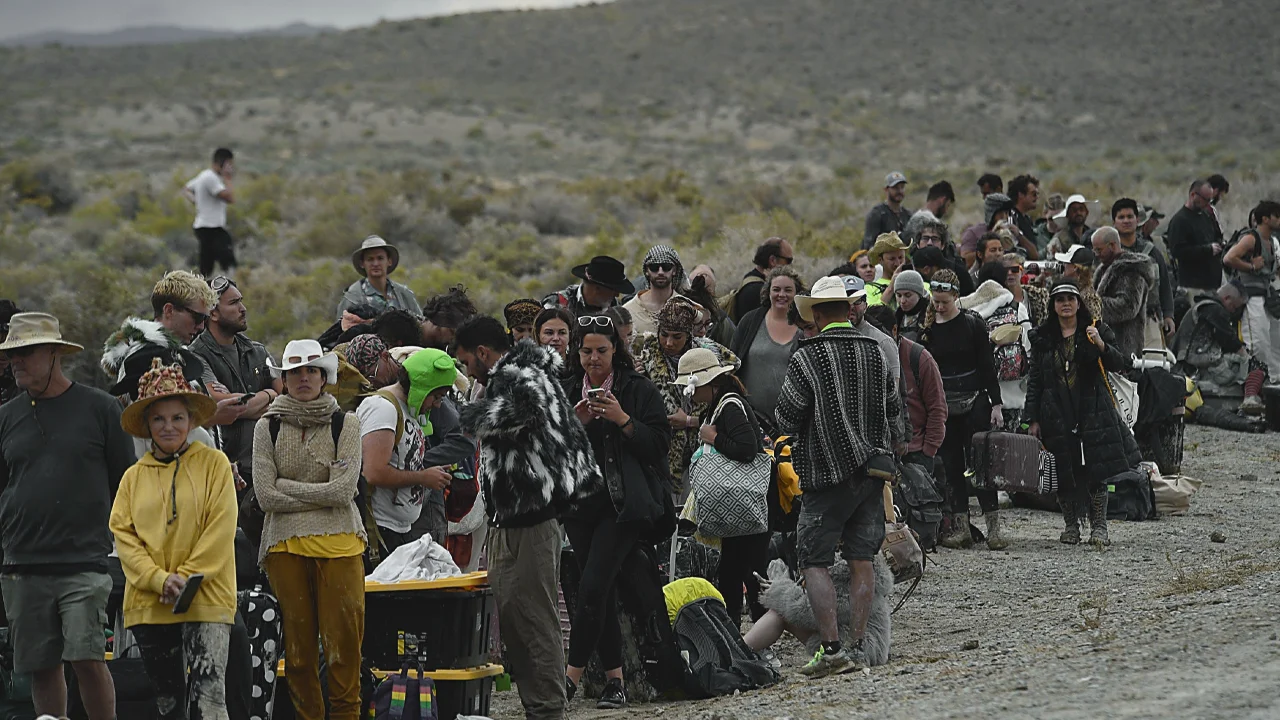
Electrocution, Drugs, and Debt: The Chaos of Burning Man 2025
A Winter Storm That Froze The Scene
Late February 2026 brought a devastating nor’easter that effectively paralyzed the East Coast. We are talking about 38 inches of snow burying Rhode Island and hurricane force winds ripping through Massachusetts. New York City had to declare a total travel ban. For touring artists, independent promoters, and local venues, this was a logistical nightmare.
Take Webster Hall, an absolute cornerstone for New York nightlife. They were forced to pull the plug on a highly anticipated 360 degree set from bass prodigy WonkyWilla. The bill was stacked with back to back sets from Buku, Montycler, and Smith, but the hazardous, icy conditions made throwing the party physically impossible. The gig was pushed to May 9th, 2026, displacing a massive winter payday to the late spring, which fundamentally chokes a venue’s cash flow and stalls an artist’s momentum.
The devastation was not just a coastal problem. The Midwest got absolutely hammered. Electro soul favorite Maddy O’Neal had to post heartbreaking updates about scrapping her Kansas City and Louisville dates. Pushing those gigs to June 6th and May 29th wiped out crucial first quarter revenue. Down south, Houston’s Warehouse Live had to indefinitely postpone its Rave Like It’s 2026 event, while up and comers like Brainrack and Shizzlo had to salvage what they could of their Dial Up Tour by pushing Baltimore and Virginia Beach dates into March.
The Razor Thin Margins of Electronic Music Touring
To truly understand why these weather cancellations are existential, you have to look at the hard economic data. A staggering 64 percent of independent live stages operated without profitability in 2024. That is the terrifying baseline we are working with. When a blizzard hits, independent venues instantly lose the vital bar and concession money needed to cover rising artist guarantees, which have skyrocketed and doubled in recent years.
Mid tier electronic acts are in an equally precarious spot. Booking flights, renting vans, and paying daily rates for specialized sound engineers or lighting designers burns through capital fast. In 2026, a stage lighting designer averages around 32 dollars an hour, while touring production managers demand serious daily rates. The artist has to pay those crew minimums and cover travel costs whether the music plays or not.
Unlike global stadium pop stars who have massive corporate safety nets, independent electronic artists get left holding the bag. Event cancellation insurance has become prohibitively expensive. In general, event cancellation insurance costs about 90 cents per 100 dollars of exposure, but insurers are now relying on hyper specific climate risk modeling to price their policies. This means premiums for high risk coastal or mountainous regions are skyrocketing beyond what indie promoters can afford. A standard weather clause might cap an artist payout at 50 percent of their guarantee if a show gets rained out, but if you are on a percentage of the door deal, you walk away with zero.
Adapting to the New Reality
The future of touring requires an entirely new playbook. Booking agents and independent promoters are starting to borrow enterprise level climate risk modeling to map out their tour routing. Instead of just hoping for clear skies, they are actively avoiding geographic corridors that show high probabilities of severe winter storms or coastal flooding during specific months. It is a necessary, proactive pivot from financial protection to geographic avoidance.
Venues are also waking up to the necessity of flexible ticketing policies. The old rigid no refunds model alienates fans who are legitimately scared to drive on icy highways. By offering official resale options and transparent crisis communication, promoters keep the goodwill of their community intact. Forward thinking festivals are pivoting toward membership models and VIP tiers to secure upfront cash flow that remains insulated from single day weather disasters.


The Digital Hustle for 2026
When the physical supply chain breaks, artists must lean heavily on the digital ecosystem. Algorithmic discoverability is the new touring insurance. Search Engine Optimization is now practically Search Everywhere, meaning artists are optimizing their digital footprints to be picked up by AI overviews and large language models. A successful digital strategy now blends Answer Engine Optimization for quick administrative answers, Generative Engine Optimization to build credibility, and Large Language Model Optimization so AI assistants correctly reference an artist’s brand and touring schedule. If your tour date gets canceled, you want your fans to instantly see the rescheduled date when they ask an AI chatbot, saving face and retaining loyalty.
The live electronic music scene is gritty and resilient, but passion alone cannot melt three feet of snow. The harsh truth is that climate change is actively rewriting the rules of the touring economy. The artists, promoters, and venues that survive will be the ones who ditch the old models, embrace climate resilient planning, and build communities strong enough to weather the literal storm.
Sources
Industry Trends & News Reports
- The Guardian: US Northeast Storm: Blizzard Warnings (Feb 2026)
- The Guardian: Snow Blizzard Impacts New York and Boston (Feb 2026)
- Ticket Fairy: 2026 Festival Industry Trends for Producers
- Times One Hundred: SEO for Artists in 2026: Music and Film Guide
- TSE Entertainment: The Impact of Climate Change on Outdoor Music Events
- Exron Music: Industry Coverage and Artist Features
- Mordor Intelligence: Market Analysis and Industry Reports
Professional Resources & Insurance
- Risk Strategies: Event Cancellation Insurance: Key Risks for Touring Artists
- Esports Insurance: How Much Does Event Cancellation Insurance Cost?
- Americans for the Arts (Job Bank): Salary Data: Lighting Designers
- Reddit (r/livesound): PM/FOH Rate Negotiation Discussion
Venues & Live Performances
- Webster Hall: Wonkywilla Event Details
- Bowery Presents: Wonkywilla Show Information
- Maddy O’Neal: Official Artist Website
Organizations & Agencies
- National Independent Venue Association (NIVA)
- FO Agency
- Pattern Energy

- [2026.07.09] ./What Happened to the Pete Tong Missing Remix with John Summit?
- [2026.07.05] ./NOTDEADYET secures massive international festival debut in Manila
- [2026.06.26] ./Popular Ibiza DJ Hugo Bianco Named Mastermind Of International Drug Trafficking Ring
- [2026.06.16] ./YouTube Music Nights Brings the Album Release Party Back to Life
- [2026.06.16] ./Roger Sanchez releases Spectrum marking his first studio album in two decades