
The internet is currently drowning in a wave of nostalgia for 2016. Millions of young people are yearning for a simpler digital era. They are reviving the fashion and the mainstream electronic dance music that defined the mid-2010s. But while listeners eagerly consume the aesthetic of that era, attempting to market music using 2016 tactics is a guaranteed path to digital obscurity. Back then, a producer could upload a poorly lit club clip, slap thirty generic tags in the comments, and instantly hijack the timeline. That era is dead. Today, machine learning systems view massive blocks of generic tags as automated spam. To trigger algorithmic distribution in 2026, artists must completely abandon metadata stuffing and pivot to highly contextual captions and in-video text.
The Chronological Feed Is Permanently Dead.
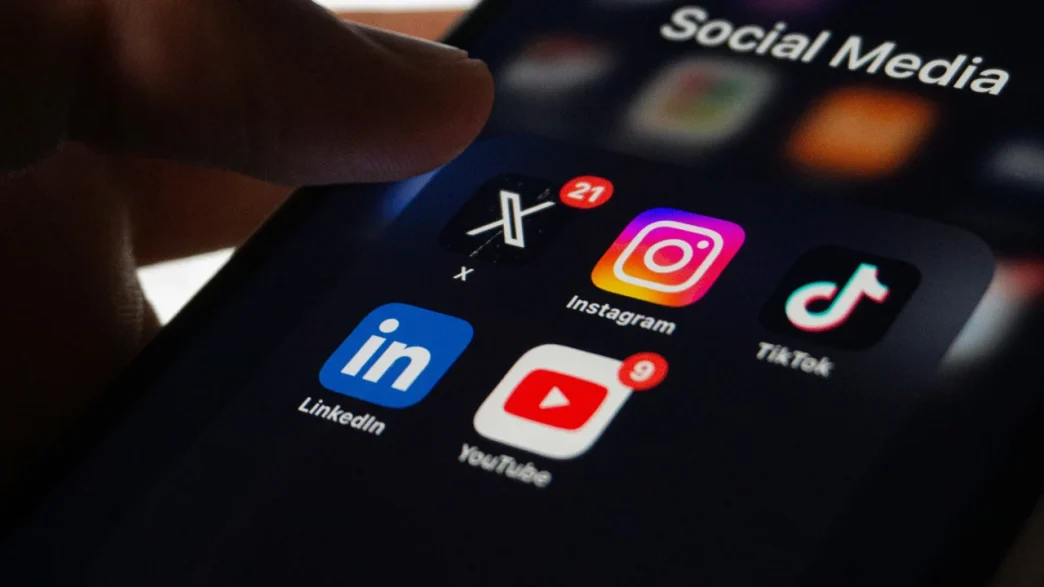
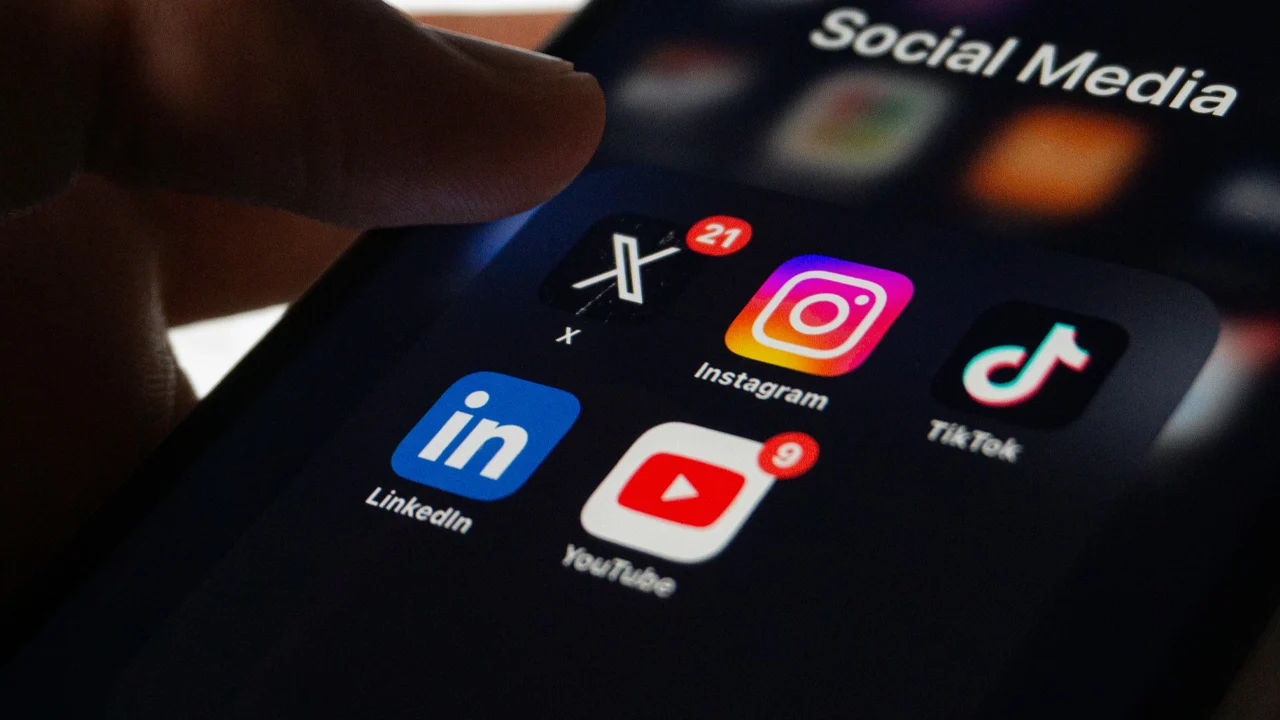
Platforms eliminated chronological feeds and hashtag-driven reach to combat spam and engagement bait. The systematic teardown of hashtag dominance was a calculated infrastructural shift. Instagram permanently crippled the old promotional playbook when it eliminated the Recent tab. This stripped away the ability for unknown accounts to gain immediate chronological exposure. Now, the platform strictly enforces a hard limit of five tags per post. If a label marketer attempts to hide twenty tags in a comment, the system flags the account for automated spam behavior and actively suppresses the content.
Digital marketers have bluntly summarized the reality of this transition: “Using 30 generic tags now looks like spam to the algorithm and can actually hurt your reach”.
YouTube Shorts operates with equally ruthless efficiency. The platform prioritizes watch-through rates above almost all other metrics. If an artist exceeds a strict hard limit of sixty tags, the system triggers a penalty protocol that completely ignores every single piece of metadata attached to the video.
On TikTok, the shift is deeply tied to the Oracle-managed USDS algorithm overhaul. The system now imposes a severe penalty for semantic confusion. When a DJ uses a cluster of completely unrelated tags, the algorithm becomes unable to categorize the video. Videos attempting to target three or more unrelated topic clusters suffer a documented 45 percent reduction in reach because the system simply refuses to serve confusing content to its initial test audiences.
Facebook’s Two-Link Limit: The End of Free Reach for Musicians
How Does Computer Vision Actually Read The Screen?
Modern social networks operate as semantic search engines that use optical character recognition to read in-video text and identify visual objects in real time. These platforms are no longer blind to the actual visual content of a video file. Systems similar to Meta‘s Rosetta deploy advanced computer vision to extract text from billions of images and video frames daily.
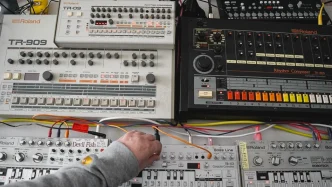
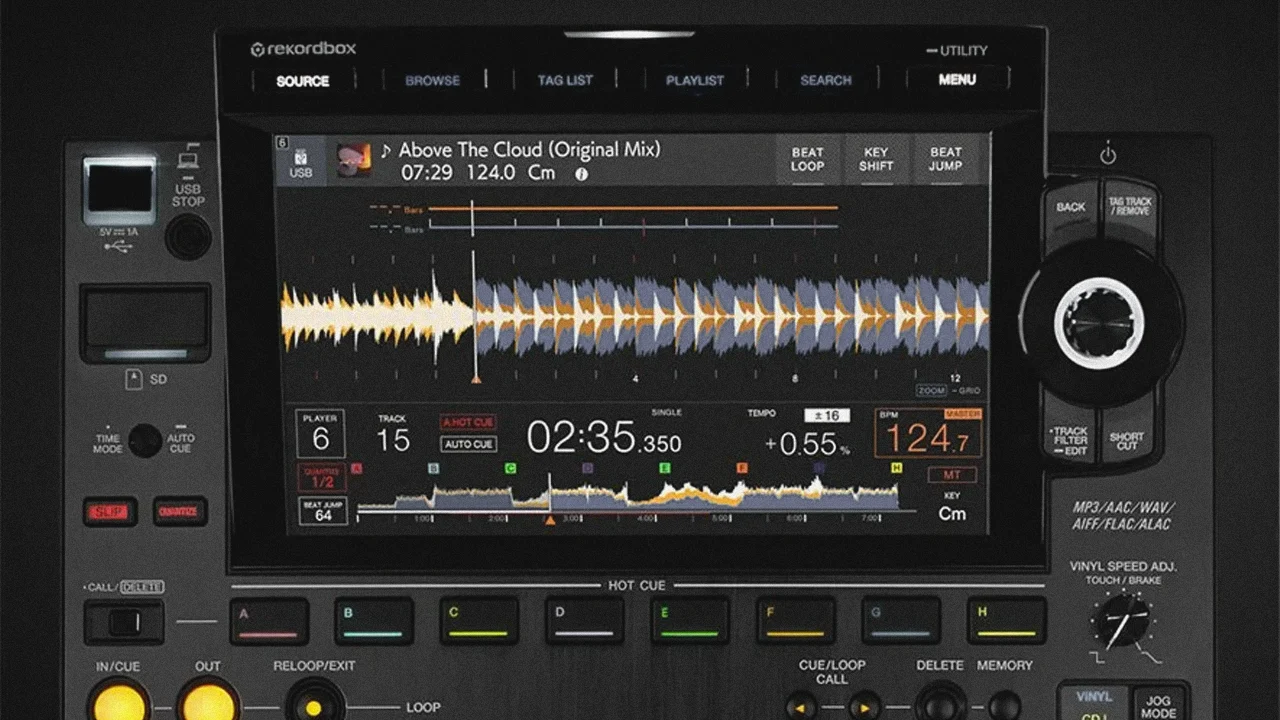
For the electronic music industry, this technological leap is absolute. When a DJ posts a live set, the algorithm actively scans the frame in real time. It identifies hardware objects like mixing consoles and utilizes optical character recognition to read any text present on the screen. The exact placement of text matters heavily. The algorithm favors text that is large, centrally located, and highly contrasted, particularly when it appears within the first three seconds of playback. Artists must weaponize this visual canvas by burning in text that details the genre, the track name, and relatable mood descriptors.
Speak Now or Face Algorithmic Obscurity.
Short-form platforms automatically transcribe spoken audio to categorize and distribute videos based on high-intent user searches. Relying purely on an instrumental bass drop with zero spoken context is a critical missed opportunity. The algorithm evaluates content by analyzing spoken words via auto-captions to proactively match videos to specific user queries.
Consequently, an artist who verbally explains the inspiration behind a track or narrates the story of a live performance provides the algorithm with highly valuable semantic keywords. Artists unwilling to speak on camera can utilize native text-to-speech voices provided by the platforms, ensuring the system perfectly indexes the spoken keywords.


What Drives the Demand for Hyper-Specific Context?
Audiences are experiencing severe algorithmic fatigue and now demand highly specific, granular content that matches their exact interests rather than broad, generic trends. Users experienced severe algorithmic fatigue, leading platforms like Instagram to launch the Your Algorithm dashboard globally in late 2025. This feature allows consumers to explicitly review, add, or down-rank the specific topic clusters that dictate their feeds. Content must now precisely match the granular topics that audiences are actively selecting.
The theoretical applications of this highly contextual approach are best understood through artists who dominate the current ecosystem. British producer Fred again.. rejects the aesthetic-first approach of the previous decade. His viral studio breakdowns and live clips are heavily annotated with on-screen text detailing the emotional origin of his samples and the exact hardware processes he uses. By utilizing dense, conversational text overlays rather than generic tags, he achieves unprecedented completion rates.
Similarly, DJ John Summit bypassed traditional gatekeepers by establishing a highly categorized, narrative-driven digital footprint. By actively documenting his career transition from a corporate accountant to a global festival headliner, he provided algorithms with dense contextual data. His videos consistently featured on-screen text detailing his trajectory, connecting his profile to broader interest clusters surrounding career transitions and electronic culture.
Industry analysts note that this demand for hyper-specific, contextual engagement is a direct response to a broader cultural deficit. They describe this evolution as a reaction to “the flattening of music, which is most visible in the rise of ‘functional music’ and of the song over the artist”.
The era of lazy digital marketing is unequivocally over. Algorithms no longer blindly distribute low-effort performance clips. Success in 2026 requires artists to operate as native digital communicators. By fully embracing contextual long-tail captions, accurate speech-to-text audio, and strategic on-screen text, the music industry can feed these machine learning engines exactly what they require to function.
Sources & Further Reading
Social Media Algorithms & Trends
- The 2016 Nostalgia Cycle: In 2026, a viral wave saw users recreating the aesthetics and memes of 2016, proving the cyclical nature of digital trends.
- TikTok Algorithm Decoded: Deep dives into how the “For You Page” prioritizes watch time and completion rates over follower counts.
- Instagram Platform Shifts: The removal of the “Recent” tab significantly impacted how real-time news and hashtags surface, as the Instagram algorithm shifts toward AI-driven recommendations.
- Short-Form Optimization: Exploring the evolving role of tags in YouTube Shorts and whether they remain vital for reach in 2026.
Creative Production & Music
- Advanced TikTok Voice Effects: A guide on bypassing platform limits by using CapCut to extract audio and apply specialized voice effects like “Trickster” or “Chipmunk” [01:55].
- The Unflattening of Music: MIDiA Research explores how fragmented niche communities are breaking the “top 40” monopoly, allowing for a more diverse global music landscape.
* generate randomized username
- COMMENT_FIRST
- #1 Lord_Nikon [12]
- #2 Void_Reaper [10]
- #3 Cereal_Killer [10]
- #4 Dark_Pulse [9]
- #5 Void_Strike [8]
- #6 Phantom_Phreak [7]
- #7 Data_Drifter [7]
- #8 Zero_Cool [7]