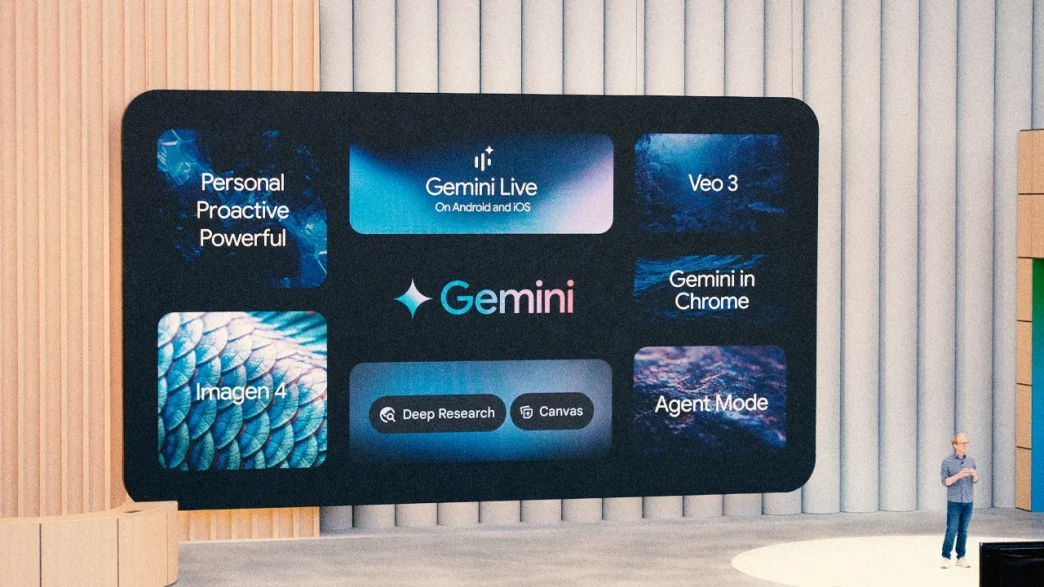


“Behind every beautiful thing, there’s some kind of pain,” Bob Dylan once rasped. But in 2026, Alphabet Inc. insists you don’t need pain, heartbreak, or even a baseline level of tactile skill to create a beautiful thing. You just need a prompt. With the seamless integration of the Lyria 3 model into the Gemini app, Google has officially turned its ubiquitous AI chatbot into a frictionless, multimodal recording studio.
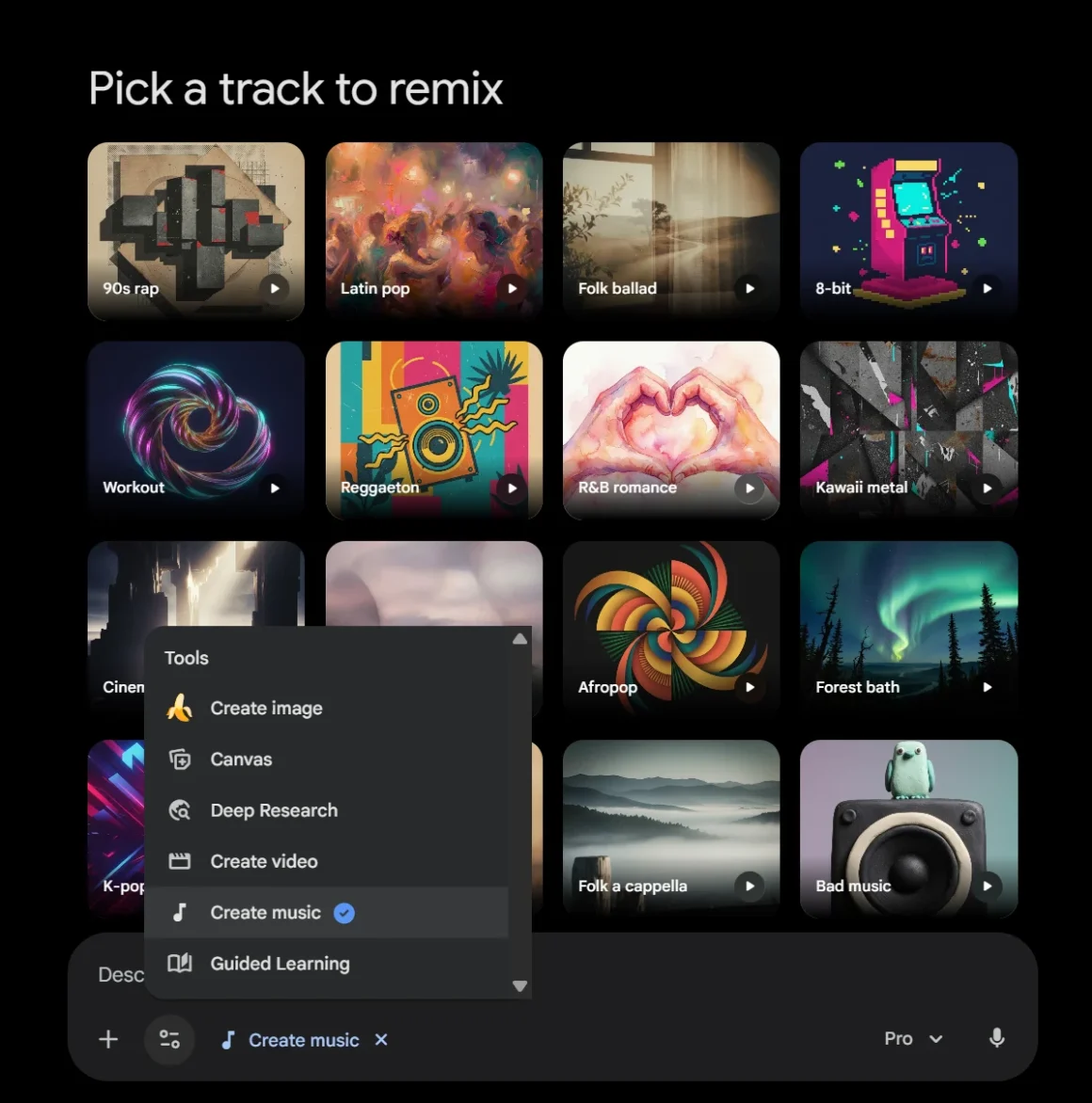
The AI music generation landscape is no longer a fringe experiment of garbled, low-bitrate glitches; it’s a projected $60 billion industry. Until now, the space was dominated by dedicated, standalone platforms like Suno and Udio. But Google’s entry brings the power of instant sonic creation to the masses, allowing anyone over 18 to turn a text description, or even a photograph of their dog, into a fully produced audio track in a matter of seconds.

Suno AI Just Hit a $2 Billion Valuation While Getting Sued for Music Piracy
But the question for discerning ears and professional producers remains: Is Gemini’s new toy actually a threat to the established heavyweights in the Suno vs. Udio debate, or is it just algorithmic slop engineered for the TikTok era?
The Sound of Lyria 3: Pristine, Polished, and Terribly Brief
From a pure audio engineering standpoint, Lyria 3 is objectively impressive. The model bypasses the lo-fi fuzz of early generative audio, outputting raw 16-bit PCM stereo WAV files at a crisp 48kHz sample rate. Blind tests from the audiophile community note that Lyria 3’s vocal synthesis feels remarkably “non-artificial,” shedding the robotic, heavy-autotune sheen that plagues so many AI generations.
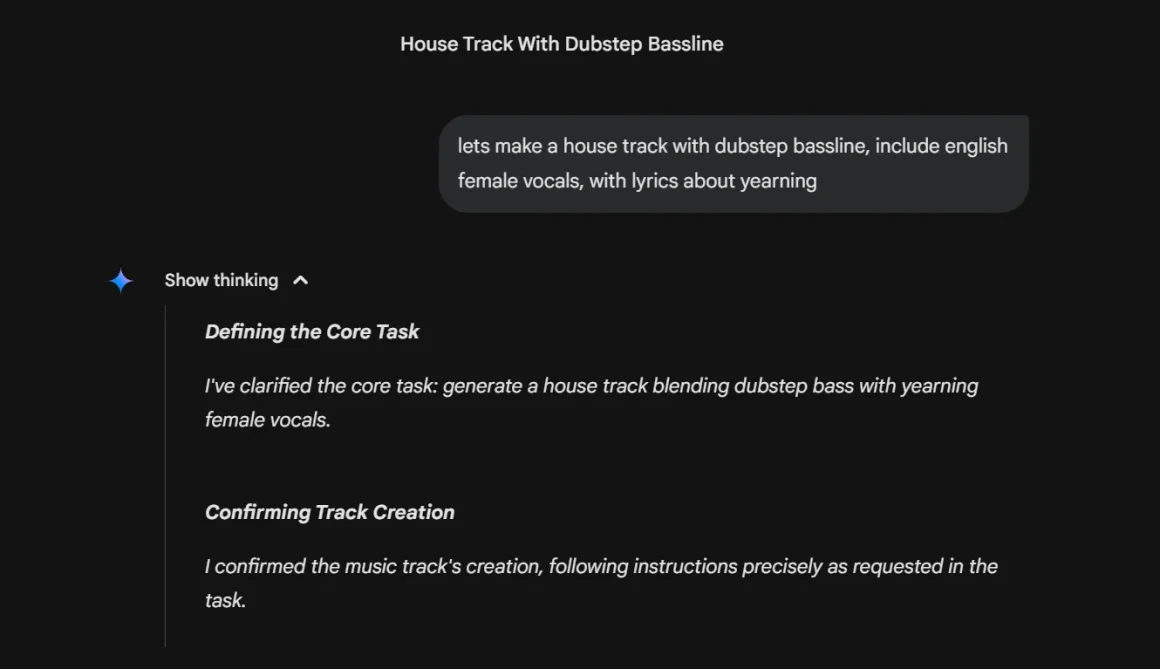
Yet, for all its high-fidelity gloss, Gemini’s music tool feels like a LEGO set for the social media age. It is rigidly capped at 30 seconds. The arrangements are cleanly structured and highly “radio-ready,” but when placed side-by-side with its competitors, Lyria 3 lacks profound instrumental layering and production depth. Google explicitly admits they aren’t trying to help you create a “musical masterpiece,” but rather a shareable moment. Furthermore, every output is permanently tattooed with SynthID, an imperceptible, steganographic watermark woven directly into the acoustic waveform to prove its synthetic origins.
Gemini didn’t perfectly follow our instructions, but the vocals do sound good. I don’t hear a hint of dubstep at all, though, so it isn’t quite on the same level as Suno and Udio yet. Eventually, it will catch up, much like how Gemini overtook ChatGPT.
Suno vs. Udio vs. Gemini: The Best AI Music Generator for 2026
If Gemini is a fast-food drive-thru for content creators, Suno and Udio remain the actual digital audio workstations for power users.
Suno v5 is the undisputed king of the pop polish. It executes aggressive, 128 BPM electronic arrangements with deliberate, club-ready percussion. Crucially for professional musicians, Suno allows tracks up to 8 minutes long and boasts an invaluable 12-stem export feature. Producers can isolate an AI-generated saxophone or vocal take and drop it straight into a traditional DAW like Ableton. Gemini currently offers no stem separation, severely bottlenecking its utility for real producers.
Then there’s Udio. Founded by former DeepMind engineers, Udio is the moody, brilliant session player of the AI world. It is notoriously stubborn with prompt adherence, and you might fight the algorithm for an hour just to get your lyrics sung correctly, but its acoustic warmth, dynamic range, and studio-grade realism are unmatched. Udio is built for the “Rick Rubin paradox”. It demands a curator’s ear to stitch together brilliant, 15-minute concept tracks using its advanced inpainting tools, making it the superior choice for jazz, cinematic scoring, and organic instrumentation.


What This Means for the Working Musician
The existential dread permeating the music industry isn’t entirely unfounded. The commercial sync licensing market, where independent composers once thrived selling background music for commercials and video games, is facing an extinction-level event. Why pay $1,000 for a corporate jingle when a marketer can generate a mood-matched, 30-second track from a product photo for free natively in Google Workspace?
However, the idea that AI music generation will completely replace the human artist is a fundamental misunderstanding of why we listen to music. Generative AI tools are becoming advanced, highly intuitive samplers. The future of professional music production is a hybrid workflow. An artist might generate a melancholic chord progression in Udio, chop the stems in Suno, and lay down their own organic vocals over the top.
Google Gemini’s Lyria 3 is a monumental technical achievement wrapped in a hyper-consumable, 30-second package. It democratizes the idea of music, lowering the barrier to entry to absolute zero. But for now, the true soul of generative audio, and the tactile, obsessive craft of producing it, remains firmly in the hands of the dedicated platforms, and the humans who relentlessly curate their outputs.
Sources:
- (https://thenextweb.com/news/googles-new-music-tool-lyria-3-is-here)
- (https://www.techbuzz.ai/articles/google-gemini-gets-ai-music-powers-with-lyria-3-beta)
- (https://decrypt.co/358654/google-ai-music-gemini-lyria-3-review-suno-udio)
- (https://techau.com.au/google-launch-suno-competitor-with-gemini-music-we-compare-them-to-see-which-is-better/)
- (https://evolink.ai/blog/suno-api-review-complete-guide-ai-music-generation-integration)
- (https://genesysgrowth.com/blog/suno-vs-udio-vs-beatoven)
- (https://www.soundverse.ai/blog/article/what-are-the-main-differences-between-suno-and-udio-1141)
- (https://www.justthink.ai/blog/google-gemini-just-got-musical-new-ai-music-generation-is-here)
- (https://medium.com/@karanbhutani477/synthid-a-technical-deep-dive-into-googles-ai-watermarking-technology-0b73bd384ff6)
- (https://docs.cloud.google.com/vertex-ai/generative-ai/docs/music/generate-music)
* generate randomized username
- COMMENT_FIRST
- #1 Lord_Nikon [12]
- #2 Void_Reaper [10]
- #3 Cereal_Killer [10]
- #4 Dark_Pulse [9]
- #5 Void_Strike [8]
- #6 Phantom_Phreak [7]
- #7 Data_Drifter [7]
- #8 Zero_Cool [7]