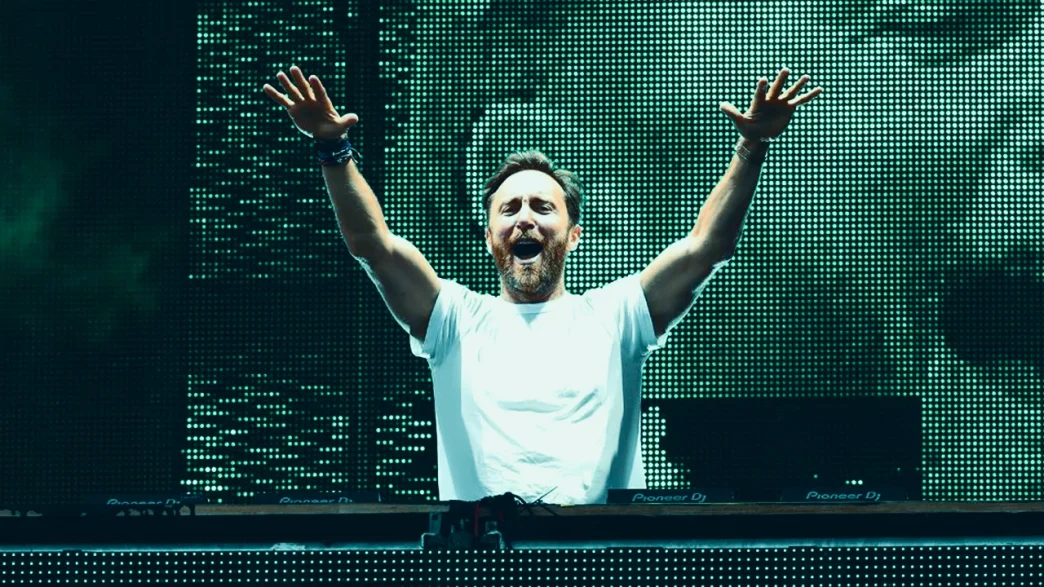
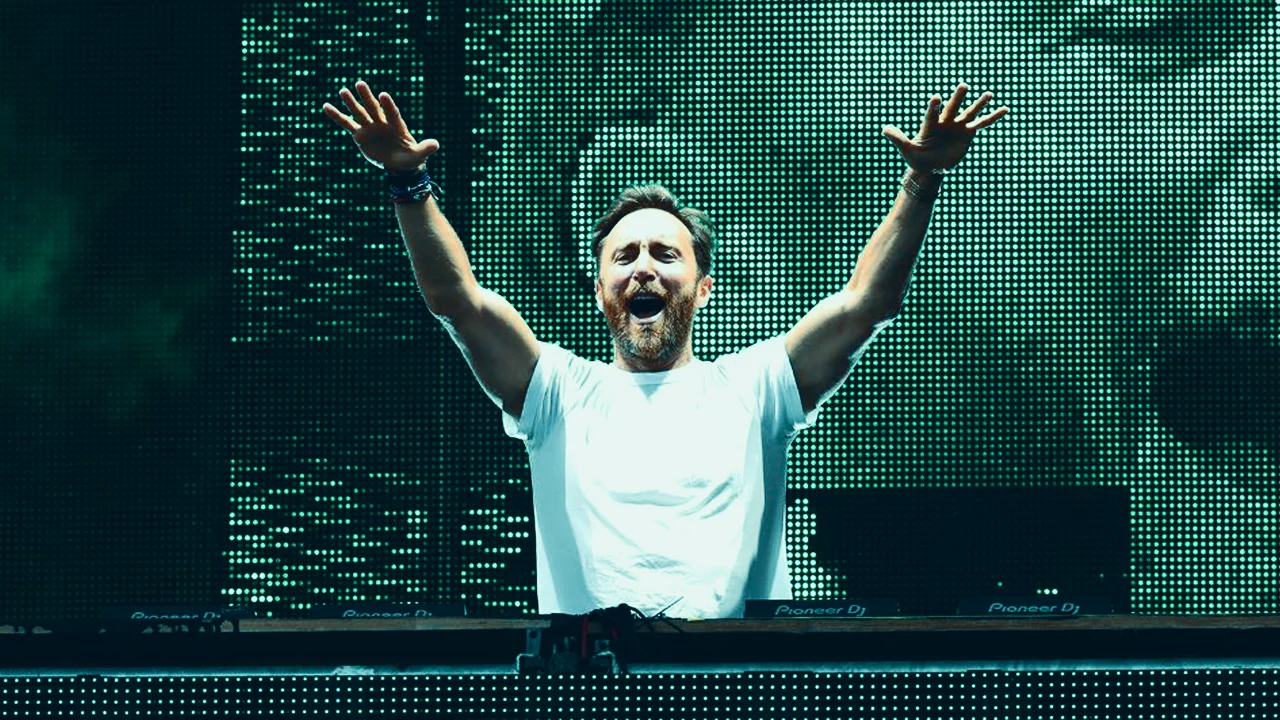

It is midnight at a massive outdoor event. A single artist stands atop a towering LED structure. They trigger a heavy bass sequence using digital CDJs and synchronize the transition with an intense pyrotechnic burst. The crowd roars and raises their phones to capture the exact moment the rhythm hits.
TL;DR
The DJ transformed from an unseen club worker into a global pop star through technological shifts and corporate investments. The 1990s UK superclubs birthed the idol concept. Daft Punk revolutionized stage production in 2006. Finally the 2010s EDM rebrand secured massive wealth while social media demanded highly curated lifestyle influencers.
The journey to this stadium-level scale took several decades. The selector originally started as a background figure blending vinyl records in small Chicago venues. As technology advanced and global audiences grew the industry expanded into massive festival properties and highly visible Las Vegas residencies. Today the DJ operates as both a live performer and a digital curator.
The Mathematics of the Groove
House music started in the marginalized spaces of Chicago. Producers like Frankie Knuckles used reel-to-reel tape and early drum machines to rework disco tracks. They stretched the instrumental breaks. They locked the kick drum into a four-on-the-floor pattern. This required zero traditional rock star posturing. The Roland TR-808 drum machine cost a few hundred dollars and democratized the production process. It gave power to the people on the street. The DJ remained an invisible operator pushing the rhythm forward. Nobody looked at the booth.

How Commercial Real Estate is Forcing Bars into the Hybrid Co-Working Model
When Did the Dance Floor Flip?
For years the crowd faced each other. Dancers engaged in a shared physical exchange. That orientation inverted entirely as promoters built larger stages. In the mid-1990s UK superclub promoters needed a face to sell tickets. The British music press helped engineer this shift. The magazine Mixmag famously put Sasha on a cover with the headline “Son of God”. This framing pushed the DJ into the realm of celebrity worship. People stopped dancing together. They turned forward. They stared at the selector.
“maybe you should stop facing the DJ?”
A friend famously asked a Vice writer this question during a stressful set. The writer realized they were just standing still and squinting at a stage. It felt like a communal eye test.

The Pyramid and the Pop Crossover
The true technological arms race began in the California desert. Daft Punk stepped inside a glowing LED pyramid at Coachella in 2006. They used Ableton Live to trigger massive audio stutters. The performance deleted the old rulebook. Top-tier acts suddenly needed custom video mapping and expensive drone swarms. A rigid financial divide split the scene.
Simultaneously European producers rewired mainstream radio. David Guetta merged heavy house kicks with traditional pop vocalists. He told The Guardian exactly how the climate shifted. “When I started, all dance music was underground. If you were going to play house, you had to be underground because it wasn’t the type of music that was crossing over,” Guetta explained. By replacing the vocal chorus with a massive synthesizer drop he usurped the traditional singer.


How Did Wall Street Enter the Chat?
Money poured into the space. Las Vegas casinos handed out exclusive residencies. Talent agencies built heavy tour schedules. The scene felt like the Wild West before suits arrived to professionalize the hustle. Robert F.X. Sillerman saw a goldmine. He launched SFX Entertainment and bought up festivals and digital platforms. The industry actively rebranded the culture as EDM to secure corporate sponsors. They banned old rave gear like pacifiers to sanitize the image. The bubble eventually burst when SFX filed for bankruptcy. Yet the core machinery survived and stabilized. Industry trade groups formed to repair the damage. You can read more about their impact in this history of the Association for Electronic Music.
Algorithms Dictate the Mix
The modern DJ survives on the internet. A flawless mix no longer guarantees a packed room. The grind requires relentless content generation. DJs operate as lifestyle brands pitching clothing lines and documenting their flights. TikTok forces producers to pack multiple drops into thirty-second clips. The music breathes less. The visual aesthetic matters more. Masked producers like Marshmello use cartoonish helmets to build indestructible intellectual property. Even Spotify relies on artificial intelligence to replicate the foundational human task of selecting the perfect track.
The human drive to gather and move to heavy bass remains intact. The tools change. The faces change. The DJ morphed from a quiet technician into a global idol holding the attention of fifty thousand sweating bodies. As artificial intelligence handles the beatmatching the role will only become more theatrical. The DJ will have to figure out how to keep us looking up.
Sources & Further Reading
- 1990s UK Superclubs & Mixmag: Sasha’s “Son of God” cover helped establish the “DJ Pin Up.” – https://djhistory.com/read/dom-phillips/
- “Stop facing the DJ” Quote: A Vice writer noted crowds staring motionlessly instead of dancing. – https://www.vice.com/en/article/if-you39re-facing-the-dj-you39re-getting-dance-music-wrong/
- Daft Punk at Coachella (2006): Landmark LED pyramid and Ableton Live performance. – https://www.waterandmusic.com/15-years-ago-daft-punks-coachella-set-helped-spark-an-arms-race-for-live-music-technology/
- House Music Origins: Frankie Knuckles and the affordable Roland TR-808 democratized production. – https://orphiq.com/resources/history-of-house-music
- David Guetta Pop Crossover: Merged house kicks with pop vocalists to reach the mainstream. – https://dancingastronaut.com/2015/06/david-guetta-offers-perspective-role-edm-cross-entire-scene-crossed/
- Las Vegas Residencies: Mega-casinos began offering highly lucrative, exclusive DJ contracts. – https://relentlessbeats.com/2013/02/las-vegas-best-nightclub-showdown-marquee-vs-xs/
- SFX Entertainment Bankruptcy: Robert F.X. Sillerman’s EDM corporate rollup ended in a Chapter 11 filing. – https://www.musicbusinessworldwide.com/sfx-entertainment-files-for-bankruptcy-in-the-us/
- EDM Corporate Rebrand: Promoters banned old rave gear to sanitize the culture for corporate sponsors. – https://www.theguardian.com/music/2012/aug/02/how-rave-music-conquered-america
- Association for Electronic Music (AFEM): Trade group formed to stabilize the industry after the corporate boom. – https://associationforelectronicmusic.org/about/
- Social Media Influencers: DJs now operate as lifestyle brands catering to short-form algorithms. – https://mixmag.net/feature/work-camera-flash-how-instagram-has-changed-dj-culture
* generate randomized username
- COMMENT_FIRST
- #1 Lord_Nikon [12]
- #2 Void_Reaper [10]
- #3 Cereal_Killer [10]
- #4 Dark_Pulse [9]
- #5 Void_Strike [8]
- #6 Phantom_Phreak [7]
- #7 Data_Drifter [7]
- #8 Zero_Cool [7]