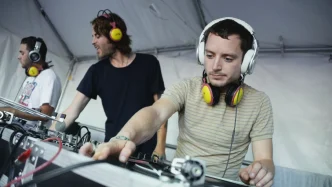


The lights in the club are never as bright as the screen of a MacBook Pro. It is 3 AM in a basement in Brooklyn or some abandoned subway. A young woman adjusted her headphones while the crowd shifted like a single organism. In 2026, this scene is no longer just a subculture.
TL;DR The DJ profession has evolved into a premier high-paying career choice in 2026. Official data projects a 15 percent growth rate in the field. Accessible technology and high hourly yields have transformed the booth into a lucrative office. However, the digital ease masks a grueling reality of constant, unobserved labor.
It is now a legitimate career path. For decades, the DJ was a figure of the night. Now, the math has changed. Finance sites and career analysts have identified a new gold mine. More sources at the bottom.
Is the party finally paying the bills?
The numbers on the screen look better than a corporate salary. A standard set lasts two hours. For an established performer, those 120 minutes can net thousands of dollars. It is a high hourly yield.
This attracts people who are tired of the 9-to-5 grind. They want to be their own boss. They want to avoid micromanagement. The booth is now a corner office with a better sound system.

Electronic Music Industry Revenue: $12.9 Billion Market and DJ Payment Reality Check
The federal data supports the hype
This is not just social media noise. The U.S. Bureau of Labor Statistics tracks these movements. Their reports show a significant trend. The employment of DJs and announcers is projected to grow by 15 percent this decade.
“The employment of announcers and DJs is projected to grow 15 percent as the industry recovers from the recession.”
That is much faster than the average for most other jobs. It means 8,100 new jobs in the field. People want to gather again. They want a human to curate the night.

Technology killed the gatekeeper
The barrier to entry has never been lower. You do not need to carry crates of heavy vinyl anymore. A digital controller fits in a backpack. Software does the heavy lifting of beatmatching.
The sync button changed everything. It turned a technical skill into a conceptual one. A teenager with a laptop can learn the basics in a weekend. They can access every song ever recorded.
The hidden labor of the digital crate
The spreadsheets do not show the preparation. For every hour in the booth, there are ten hours of digging. You have to find the tracks that no one else has. You have to organize a library of thousands of files.
This is the invisible grind. It is quiet and lonely work. The physical toll is also real.
The spreadsheets never account for the unglamorous physical reality of DJing that leaves your back aching before the first kick drum hits. You are standing for hours in loud environments. You are hauling gear through rain and snow.
How much does a vibe cost?
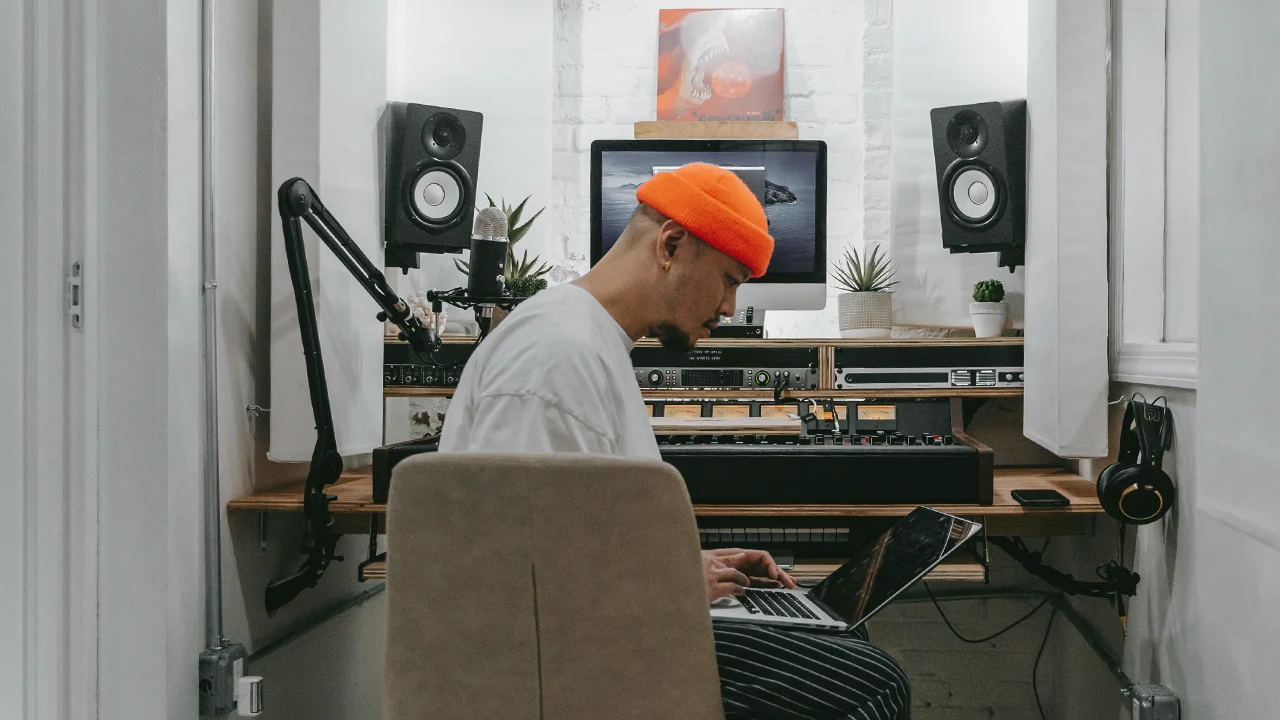
There are high upfront costs that the blogs ignore. Quality gear is expensive. A professional setup can cost as much as a used car. You have to pay for music.
You have to pay for travel. The gig economy is unpredictable. You are a small business owner. You are constantly selling yourself.
“Modern career lists prioritize jobs that feel like hobbies,” a recent financial report noted. You are your own marketing department. There is no HR to call when a promoter refuses to pay.

The future of the booth
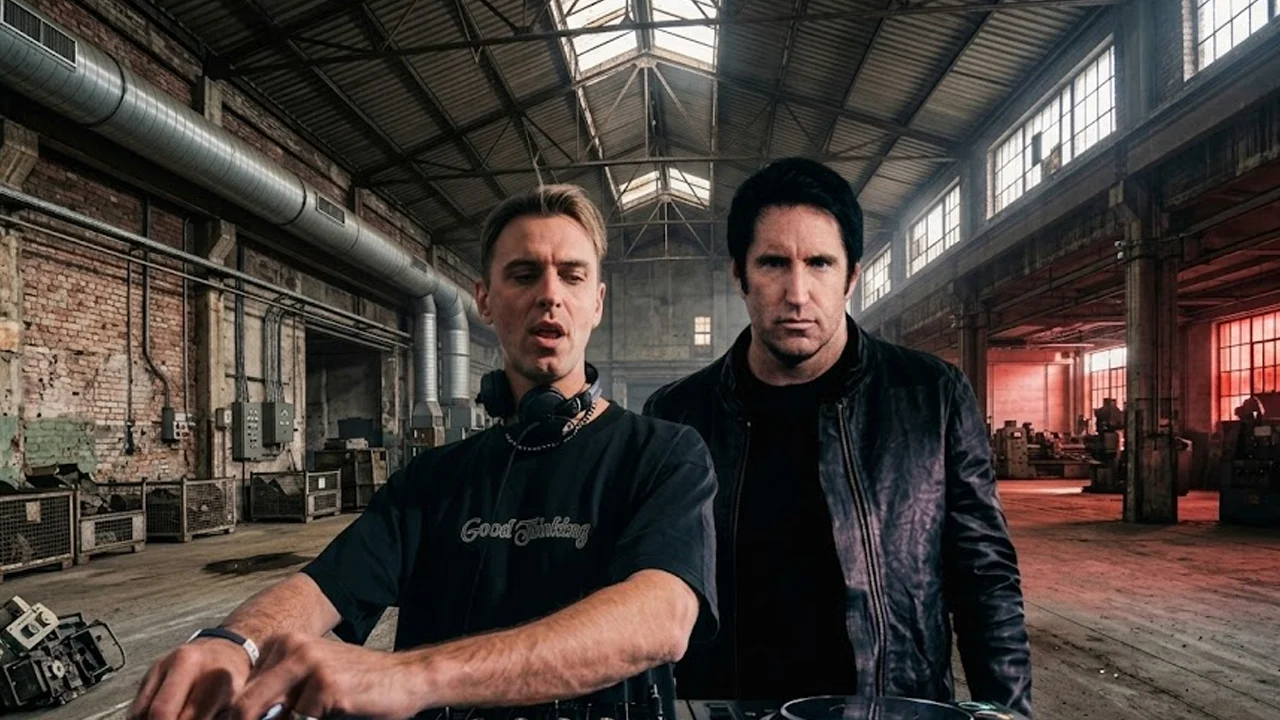
The 2026 data confirms the boom is real. DJing is a legitimate path to a high-income lifestyle. It offers a freedom that the corporate world cannot match. But the reality is found in the sweat on the mixer.
The money is there for those who can handle the grind. The profession looks simple on paper. When the music stops, the work continues. The next set is always just a few hours away.
Sources & Further Reading
Labor Statistics & Economic Projections
- 15% Projected Job Growth (2020–2030) A specific projection from the U.S. Bureau of Labor Statistics highlighting that DJ and announcer roles are expanding “much faster than average” compared to other occupations.
- 8,100 New Job Openings The estimated number of total new positions expected to be created within the industry over the ten-year period ending in 2030.
- The 2020 Recession The specific economic event cited as the catalyst for the current “rebound” in the live entertainment and broadcast industries.
- Hundreds or Thousands per Set The standard hourly yield for established DJs, often used by finance platforms to categorize the role as a “high-paying” non-traditional career.
Professional Benchmarks & Dates
- The 2026 Career Shift The current year’s consensus among career analysts who now list DJing alongside other low-stress, high-reward “lifestyle” professions.
- The Two-Hour Set Standard The typical performance duration used as a metric to calculate the high hourly earnings of modern club performers.
- 3 AM (Industry Operational Peak) The documentarian marker for the “graveyard shift” which, while technically demanding, is the core revenue-generating window for the profession.
Technical & Contextual Markers
- The Digital Learning Curve The reference to how modern digital controllers and synchronization software have radically lowered the technical barriers to professional entry since the previous decade.
- https://onefinewallet.com/easy-fun-high-paying-jobs/
- https://www.indeed.com/career-advice/finding-a-job/how-to-find-work-as-dj
- https://www.biblemoneymatters.com/fun-jobs-that-pay-well/
* generate randomized username
- COMMENT_FIRST
- #1 Lord_Nikon [12]
- #2 Void_Reaper [10]
- #3 Cereal_Killer [10]
- #4 Dark_Pulse [9]
- #5 Void_Strike [8]
- #6 Phantom_Phreak [7]
- #7 Data_Drifter [7]
- #8 Zero_Cool [7]