
10 Essential Tips for Buying Musical Instruments and Pro Audio Equipment
Investing in musical instruments and professional audio gear is a significant decision. This guide provides ten essential tips to help you make informed choices that will serve you well for years to come.
1. Take Your Time
Avoid impulsive purchases. The equipment you buy today will likely be part of your setup for a long time. Thorough research is key. Many people make costly mistakes by buying equipment without understanding its limitations or how it integrates into their workflow. Take your time to explore options, and you’ll be more satisfied with your final decision.
2. Define Your Needs
Identify your specific requirements. There’s no one-size-fits-all solution. A singer-songwriter needs a different setup than someone recording bands professionally. Consider your current and future needs. Assess your computer’s capabilities, the tonal range needed, and the level of flexibility required from your instruments and software. Knowing your needs before you start shopping is crucial.

3. Choose the Right Tool
Once you know your needs, select the appropriate equipment. For example, if you’re aiming for better vocal recordings, you might need a compressor. But there’s a wide range, from basic single-knob models to high-end units with countless parameters. Thorough research is essential to ensure you’re buying the right tools for the task. Sweetwater’s Buying Guides are a good starting point.
4. Specifications Aren’t Everything
Manufacturers often highlight impressive specifications. However, technical details alone don’t tell the whole story. An inexpensive guitar might share specifications with a high-end model but the sound quality will be vastly different. The same applies to audio gear. Don’t rely solely on specifications; trust your ears and consult with experienced professionals.
5. Don’t Overspend on One Item
It’s easy to get fixated on a single piece of equipment. But a high-end component won’t guarantee great results if the rest of your system is subpar. Strive for a well-balanced setup rather than focusing on one exceptional item at the expense of others. A balanced system usually delivers superior results.
6. Value for Money
High-quality professional audio gear tends to be expensive because it’s built from better materials, with tighter tolerances, and designed for longevity. While it may represent a significant initial investment, it often lasts much longer than budget options, saving you money in the long run. Investing in quality can result in better outcomes and long-term savings.
7. System Approach
Start by optimizing the input and output stages of your system. Focus on getting the best possible sound from your instrument or microphone and then accurately reproducing it through your monitors. A strong foundation in your signal path enhances overall quality.
8. Invest in Studio Monitors
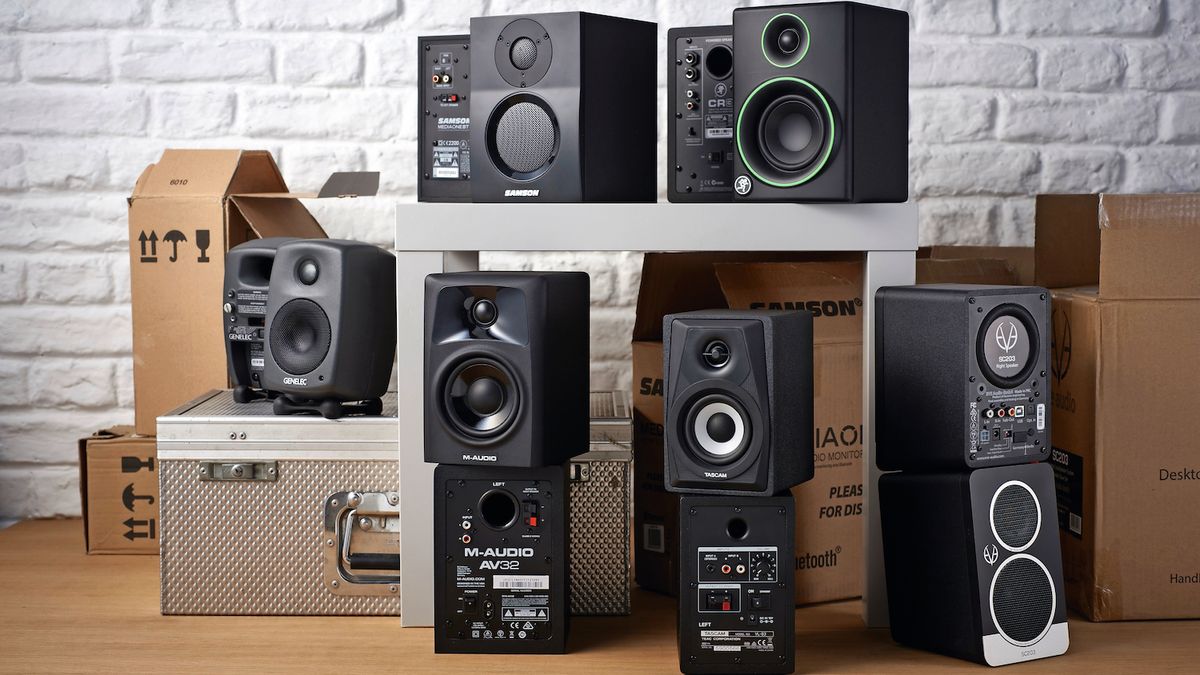
Using high-fidelity speakers as monitors is a common mistake for beginners. Hi-fi speakers boost low and high frequencies, masking the midrange. Studio monitors, with their flat frequency response, provide accurate sound reproduction, enabling you to create balanced mixes. Prioritize good studio monitors and basic acoustic treatment to ensure accuracy in your recordings and mixes. The same principle applies to headphones.
9. Quality Cables Matter
Cables are often overlooked, yet their quality impacts your sound. High-quality cables have better connectors and shielding, preventing signal degradation from interference. Don’t compromise on cable quality; it’s akin to using cheap tires on a high-performance car.
10. Seek Expert Advice
Real-world experience is invaluable. Before making a purchase, consult with an audio professional for personalized guidance and insights. Their expertise can save you from costly mistakes.
Read also: Don’t Sound Like Every Other DJ: 5 Ways to Build a Signature Style
* generate randomized username
- COMMENT_FIRST
- #1 Lord_Nikon [12]
- #2 Void_Reaper [10]
- #3 Cereal_Killer [10]
- #4 Dark_Pulse [9]
- #5 Void_Strike [8]
- #6 Phantom_Phreak [7]
- #7 Data_Drifter [7]
- #8 Cipher_Blade [6]