
The global electronic dance music industry is currently a $12.9 billion ecosystem, a dizzying mix of underground authenticity and hyper-commercialized spectacle. In 2026, the culture is thriving, but it’s also undeniably fractured. Spend five minutes on an internet forum or scrolling through TikTok, and you’ll find a community perpetually at war with itself. Yet, beneath the endless bickering about what constitutes “real” dance music, a surprising consensus holds the foundation together.
The Endless Debates: Genres, Tech, and the VIP Tent
First, let’s talk about the fault lines. The most visceral debate remains the battle over genre and terminology. For the old-guard purists, the acronym “EDM” is basically a pejorative—a traumatic reminder of the 2010s era that whitewashed the Black, Queer, and Latino roots of house and techno in favor of stadium-sized “Big Room” drops and cake-throwing frat-bro antics. Meanwhile, the digital-native Gen Z cohort couldn’t care less about rigid gatekeeping; they are wildly hybridizing Afro house, UKG, speed garage, and techno into a borderless, algorithm-friendly pastiche.
Then there’s the tech. The “sync button” discourse is the culture’s oldest dead horse, yet people still manage to beat it. Purists argue that manually riding the pitch fader on a Technics 1200 is the undisputed soul of the craft, requiring an ear-to-hand connection that software just can’t replicate. Newcomers, however, argue that offloading beatmatching to the software frees up their cognitive “action budget” to create complex, live improvisational mashups using real-time stem separation and AI-assisted loops.
Hard Techno’s #MeToo Moment: Inside the 2026 “Techno-Files” Sexual Misconduct Crisis
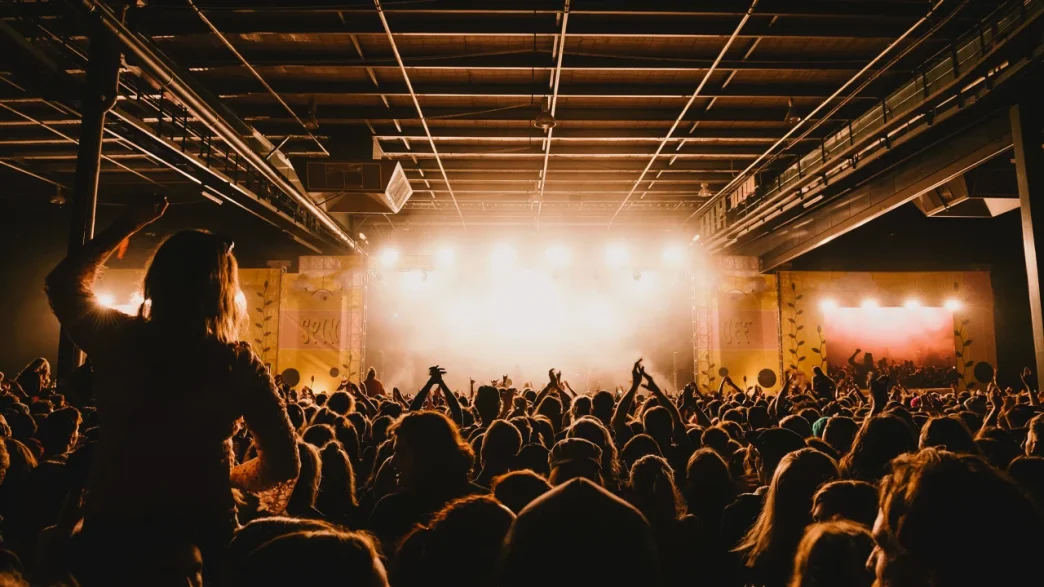
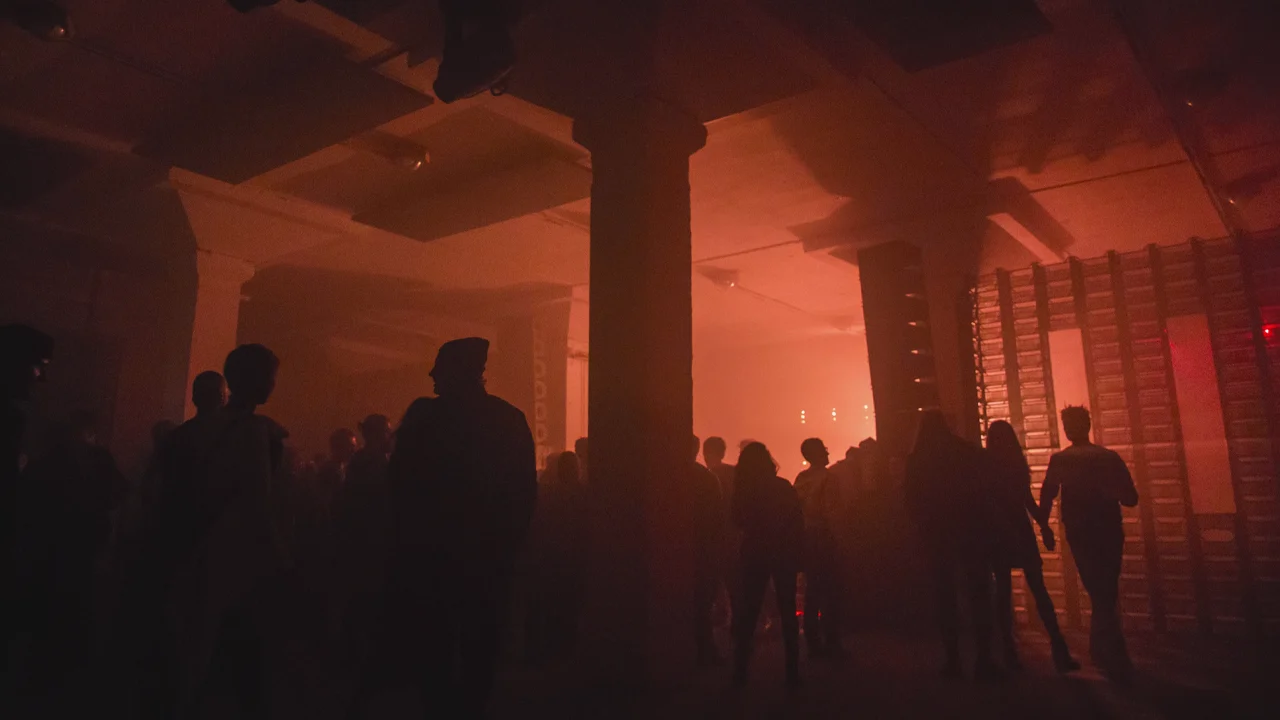
Finally, we have the existential crisis of the dancefloor itself. Mega-festivals continue to inflate their ticket prices, pushing immersive spectacles, VIP experiences, and drone shows. In direct response, discerning fans are retreating to intimate, underground pop-ups, demanding strict “no-phones” policies to preserve the fleeting, unrecorded magic of the moment.
The Three Pillars of Consensus
But let’s cut through the noise. Put a grizzled 50-year-old Detroit techno purist and a 19-year-old TikTok speed-garage sensation in the same room, and you’ll find they actually agree on the holy trinity of DJ culture.
1. Selection and Crowd Reading Trumps Gear
Nobody on the dancefloor actually cares if you are spinning an obscure white-label vinyl record or using an entry-level plastic controller if the room isn’t moving. The absolute supremacy of track selection is universally acknowledged. The true art of DJing isn’t a flawless, mathematically perfect technical blend; it’s empathy. It’s the psychological orchestration of a room. Whether you’re playing pre-planned festival bangers or improvising an underground set, the job is to read the energy and deliver the exact sonic release the crowd didn’t even know they needed.
2. The Dancefloor is a Sacred, Inclusive Space
Despite the rampant commercialization, the community still fiercely guards the core ethos of the culture: the dancefloor as a sanctuary. Dance music was birthed by marginalized communities as an act of resistance and a quest for a safe space. That DNA survives in the modern iteration of PLUR (Peace, Love, Unity, Respect). Everyone agrees that the club must be a judgment-free zone where mutual respect, inclusivity, and spatial awareness reign supreme. Look out for your fellow raver, give people room to dance, say excuse me, and leave no trace.
3. Respect the DJ Booth (The Unwritten Rules)
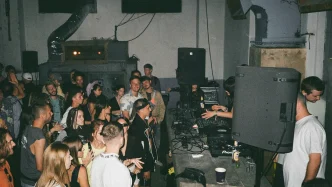
Finally, the sacred codes of the DJ booth are non-negotiable. Whether you’re opening at a sweaty dive bar or taking over a massive warehouse, the etiquette is identical. Arrive early, bring your own headphones, and never, ever play the headliner’s signature tracks if you’re the warm-up act. Don’t treat the booth like a VIP coat rack or invite your entire entourage to crowd the decks. And for the love of God, don’t redline the mixer or mess with the EQ just because you think you know better than the venue’s dedicated sound engineer. Respect the incoming DJ by letting their first track breathe, and check your ego at the door.


The Beat Goes On
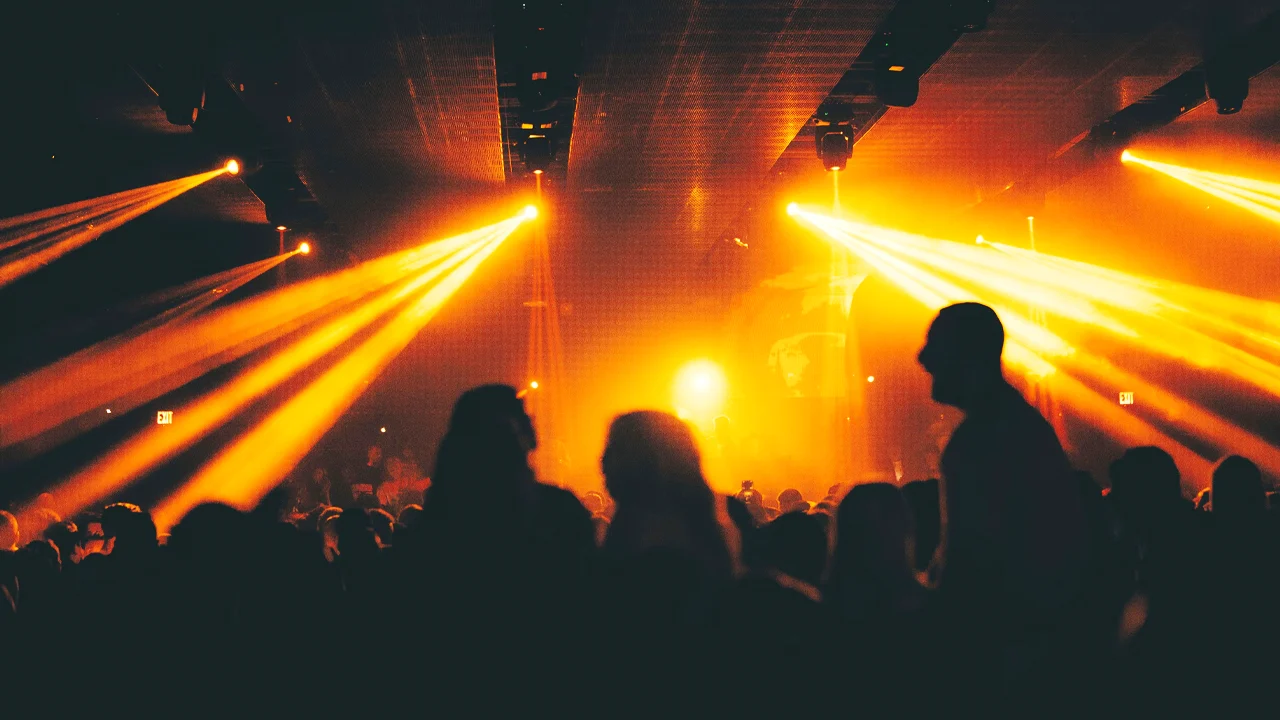
The electronic music industry will always be a messy, contradictory collision of art and commerce. The debates over authenticity aren’t going anywhere. But as long as the culture remains anchored to these three unifying truths—the power of selection, the sanctity of the crowd, and mutual respect in the booth—the music will keep us moving.
Sources & Further Reading
Industry Reports & Culture
- Market Trends: IMS Business Report 2025, Gen Z & Event Trends, Fastest Rising Genres
- Social Commentary: EDM Commercialization & Whitewashing, Honey Dijon & Club Culture
Etiquette & “Unwritten Rules”
- DJ Booth: London Sound Academy Rules, Mixmag Dos & Don’ts
- The Dancefloor: Rave Etiquette Guide, Etiquette Video Resource
* generate randomized username
- COMMENT_FIRST
- #1 Lord_Nikon [12]
- #2 Void_Reaper [10]
- #3 Cereal_Killer [10]
- #4 Dark_Pulse [9]
- #5 Void_Strike [8]
- #6 Phantom_Phreak [7]
- #7 Data_Drifter [7]
- #8 Zero_Cool [7]