The Nuances of “Utang na Loob” Among Filipino DJs
In the Philippines, utang na loob is a complex social norm that translates to “debt of gratitude.” This deeply ingrained cultural value emphasizes reciprocity and obligation. Within the context of Filipino DJs, utang na loob significantly impacts the nightlife scene, creating both positive and negative dynamics.
Understanding Utang na Loob in the DJ Community
Utang na loob, a Filipino cultural value highlighting gratitude for favors, holds particular weight in the DJ community. Seasoned DJs mentoring newcomers, often expecting loyalty or gig exchanges in return, exemplify this principle. While beneficial in building relationships, this practice can lead to complex issues regarding fair opportunities and the limits of indebtedness.

Benefits of Utang na Loob
- Experienced DJs mentoring and nurturing mentees, preserving traditions and passing down valuable experience.
- Access to a well-established network of industry connections, crucial for securing gigs and career advancement.
- Fostering respect for experienced DJs and industry veterans, recognizing their contributions and legacy.
Drawbacks of Utang na Loob
Overemphasis on utang na loob can stifle a DJ’s creative exploration, leading to less diversity within the DJ scene. This excessive indebtedness can cause favoritism, where personal connections overshadow talent, excluding deserving individuals. Some mentors might exploit this, imposing unreasonable demands and controlling their mentees’ careers. Mentors, too, may experience career stagnation if consistently obligated to help others without reciprocal support.
- An excessive focus on “utang na loob” may limit a mentee’s exploration of their unique style, resulting in less diversity.
- Excessive indebtedness can lead to favoritism, prioritizing personal connections over talent and excluding deserving individuals.
- Some mentors may exploit the sense of indebtedness, making unreasonable demands or exerting control over their mentees’ careers.
- Mentors may stagnate in their careers if they are consistently obligated to help others without receiving support in return.
Perspectives on Utang na Loob
When a Filipino DJ helps a colleague, an unspoken agreement of reciprocity often forms. The recipient then feels obligated to repay the favor. This aligns with the views of Arpee Ong, a prominent Manila DJ.
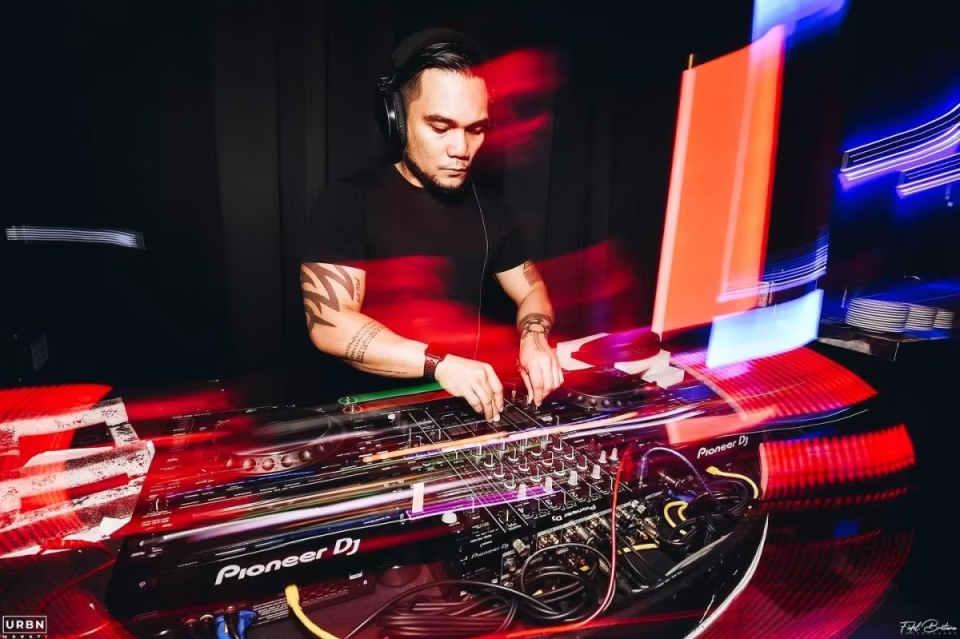
“My take has always been like this about bookings: If I book you, it is because I trust in your skills, and I am the one availing of your service on behalf of the bar or club. I will never expect a gig in return. On the other hand, if you book me, the same logic applies; I’d assume that you book me for my services and talent, and not merely to receive a gig back. I have nothing against exchange deals if they promote a healthy rotation and diversity of talents across venues, but clarity is crucial from the beginning. If you give me a gig and automatically assume I owe you something in return, I’m sorry, but you might end up feeling disappointed in the end.”
Ong’s perspective underscores the importance of DJs pursuing their careers freely, without undue obligation. Focusing on skills and talent, while nurturing strong relationships, fosters a more positive and supportive industry.
Utang na loob can also pressure DJs into working for free or exposure. Some feel obligated to offer services without fair compensation due to indebtedness. This can create a harmful cycle where talented individuals are exploited and undervalued. True camaraderie shouldn’t rely solely on unpaid favors but on fair exchanges and mutual respect.
Not fulfilling obligations can have serious repercussions, including negative commentary and difficulty securing bookings.
In Filipino culture, utang na loob is a significant social norm. Failure to meet these obligations can damage reputation within the close-knit nightlife scene, making it harder to secure future gigs.
Managing Utang na Loob
- Clear Expectations: When assisting a fellow DJ, ensure both parties understand expectations to avoid misunderstandings.
- Reciprocity: Utang na loob is a two-way street. Be willing to help those who’ve helped you.
- Honesty: If feeling overwhelmed, communicate honestly with the individual you owe a debt to. They might offer alternative solutions.
Utang na loob has both positive and negative implications. Awareness of potential risks and setting boundaries is crucial. By understanding its complexities, Filipino DJs can leverage its benefits and contribute to a strong and supportive nightlife scene.
Read also: How to Build a Successful DJ Brand from Scratch?
* generate randomized username
- COMMENT_FIRST
- #1 Lord_Nikon [12]
- #2 Void_Reaper [10]
- #3 Cereal_Killer [10]
- #4 Dark_Pulse [9]
- #5 Void_Strike [8]
- #6 Phantom_Phreak [7]
- #7 Data_Drifter [7]
- #8 Zero_Cool [7]