The Shifting Sands of Philippine Nightlife: How Social Media Reshaped Clubbing
The nightclub scene in the Philippines has undergone a dramatic transformation in the age of social media. What were once havens of spontaneous connection now often feel like carefully constructed stages for online personas. The desire for a flawless social media presence can stifle the carefree atmosphere that once defined a night out.
The Diminishment of Genuine Interaction
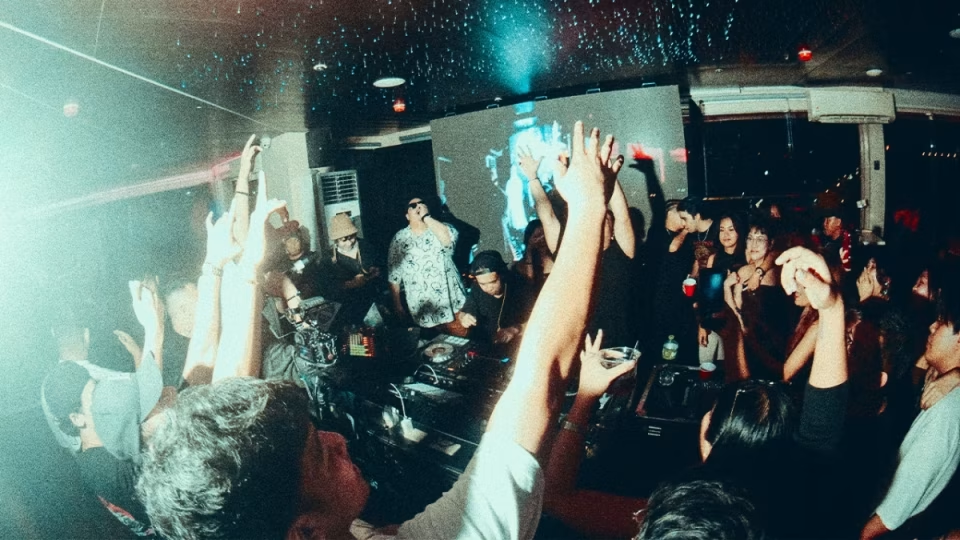
Clubs were once the undisputed heart of social interaction for young Filipinos, but search results and surveys show a clear shift. Smartphones and social media have significantly altered the clubbing scene, particularly for Millennials and Gen Z. The constant glow of screens has muted the once-lively atmosphere. Many note a perceived “elimination of privacy” and difficulty in having meaningful conversations. People are more focused on capturing the perfect photo or video for social media, rather than genuinely engaging with those around them. This constant concern about how they might appear online fuels self-consciousness and inhibits spontaneity. source
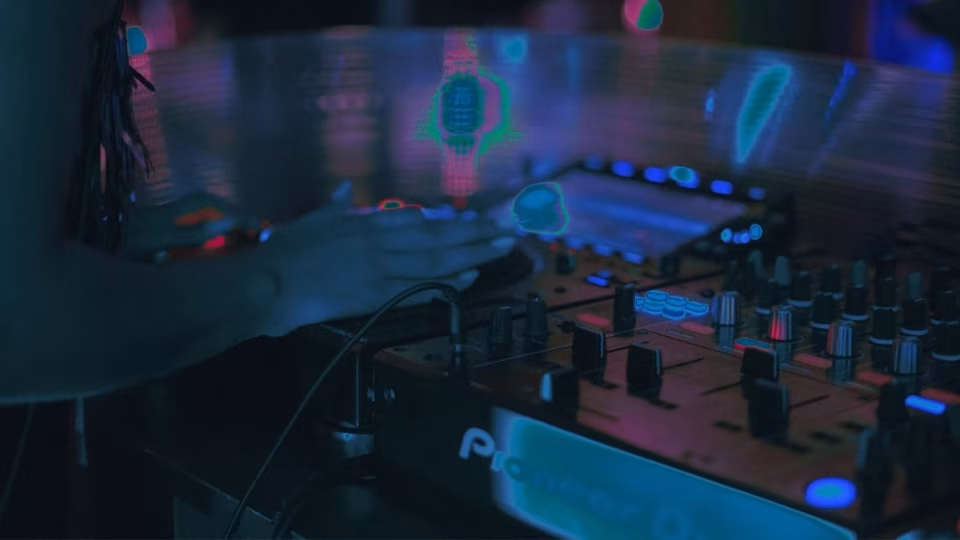
As a DJ, it’s disappointing to see so many people engrossed in their phones during sets. My goal is to create an atmosphere that encourages dancing and movement, yet it often feels as though the primary focus is on capturing social media-worthy moments. It’s true, there’s a unique joy in losing yourself in the music and moving with the crowd, but this seems to be fading. While everyone enjoys a night out differently, it can be disheartening as a DJ to see the dance floor less lively.Nicky Montes
Adapting Marketing Strategies in the Digital Age
This change has forced Philippine nightlife venues to adjust their marketing strategies. Platforms like Facebook, Instagram, and TikTok have become crucial tools for promoting events, engaging with customers, and increasing brand awareness. A club’s success now often hinges on its ability to cultivate a strong social media presence. source
The Evolution of Music Discovery
Nightclubs used to be the primary gatekeepers of new music trends. Now, with readily available streaming platforms and social media recommendations, the club’s role in this area has diminished. The ease of exploring diverse music at the touch of a button has lessened the dependence on club DJs for musical discovery.
The Rise of Alternative Social Experiences
The accessibility and convenience of social media have shaped consumer preferences within the nightlife industry. Millennials and Gen Z are particularly drawn to experiences that are interactive, shareable, and offer unique opportunities for connection. This shift has contributed to a decline in traditional clubbing, leading younger generations to seek alternative social experiences like music festivals, house parties, and travel adventures—experiences that align more closely with their social media-driven lifestyles. source
The Future of Philippine Nightlife
Social media has undeniably played a significant role in transforming the clubbing scene in the Philippines. The impact is evident in evolving social interaction patterns, marketing approaches, and shifting consumer preferences. As technology continues to evolve, the nightlife industry must adapt to meet the ever-changing demands and expectations of a digitally connected audience.
Read also: Beyond Social Media, How Can a DJ Cultivate a Thriving Career?
* generate randomized username
- COMMENT_FIRST
- #1 Lord_Nikon [12]
- #2 Void_Reaper [10]
- #3 Cereal_Killer [10]
- #4 Dark_Pulse [9]
- #5 Void_Strike [8]
- #6 Phantom_Phreak [7]
- #7 Data_Drifter [7]
- #8 Zero_Cool [7]