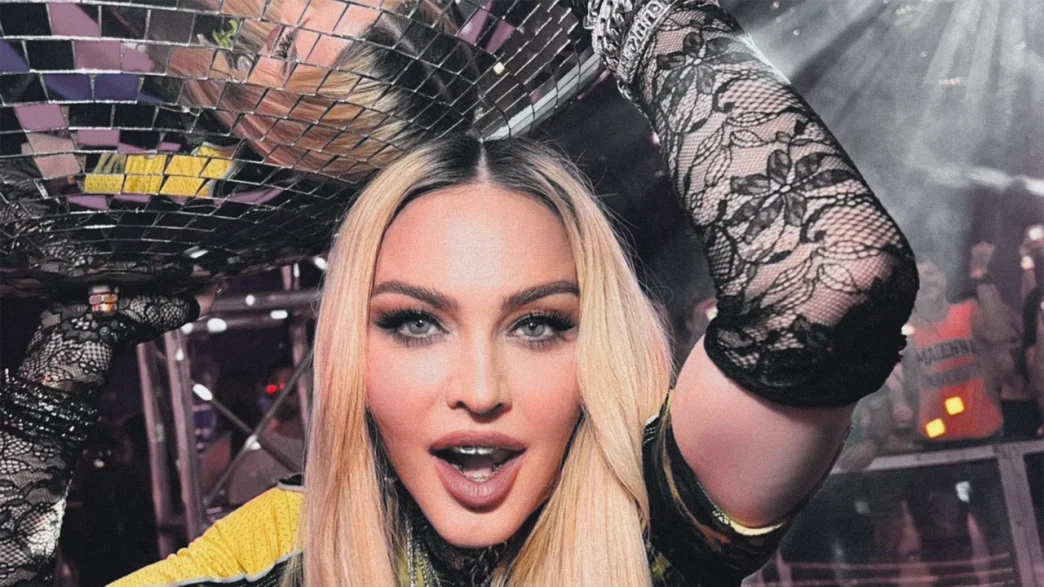
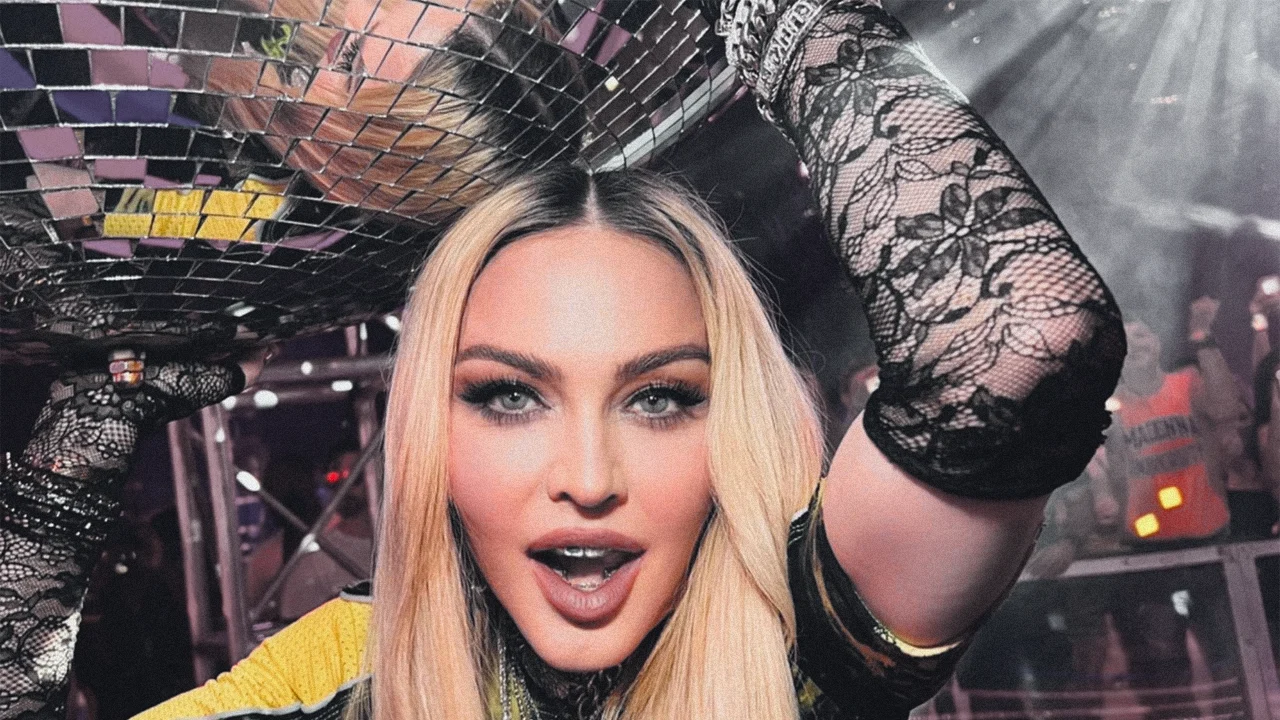

Pop music history is defined by its pivots. In the late ’90s, the FM dial was a sterile wasteland of adult-contemporary ballads and post-grunge angst. Electronic dance music, with its trip-hop breaks, acid-house squelches, and ambient sprawl, was mostly sequestered to European warehouses and Bristol basements. And then came Madonna. Approaching 40 and fresh off a Golden Globe for Evita, she was expected to settle comfortably into legacy act territory. Instead, she executed a vicious rejection of the mainstream pop formula, embarking on a 16M-selling electronica gamble that changed radio forever. With 1998’s Ray of Light, Madonna’s impact on electronic dance music was codified. As her co-producer William Orbit so aptly put it: “She dragged them into the underground club.”
The Abandoned Pop Blueprint
To understand the sheer magnitude of Ray of Light, you have to look at what it almost was. In 1997, Madonna was ostensibly playing it safe. She initially booked studio time with R&B hitmaker Babyface, the architect of her previous album, Bedtime Stories, and longtime collaborator Patrick Leonard. But the sessions felt stagnant. Madonna was undergoing a profound mid-life enlightenment, immersed in Kabbalah, Ashtanga yoga, and the recent birth of her daughter. The glossy, linear R&B-pop trajectory couldn’t adequately score a spiritual awakening.
In a display of unparalleled artistic intuition, Madonna shelved the Babyface tracks. She didn’t want the guaranteed radio hit; she wanted an esoteric, glitchy transmission from the future. It was a staggering risk to reject mainstream pop producers, but it set the stage for her most critically acclaimed metamorphosis.
Enter William Orbit and the Underground
Searching for a sound that was simultaneously organic and synthetic, Madonna tapped William Orbit, an eccentric British producer known more for his ambient Strange Cargo series and squatting in a caretaker’s cottage than crafting Billboard smashes. It was a jarring aesthetic collision of pop royalty and the avant-garde.

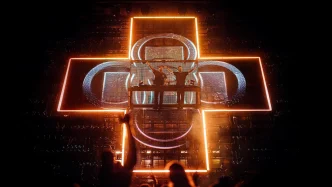
What If Metallica Headlines Tomorrowland 2026?
Together, they turned a Los Angeles studio into an analog laboratory, utilizing vintage hardware like the Roland Jupiter-8 and ARP 2600. The production process was notoriously arduous, with Orbit’s equipment constantly breaking down. Yet, Madonna insisted on a strict mandate: “Don’t gild the lily”. She wanted the mechanical nature of the synths to retain a visceral, human pulse. Orbit didn’t just provide beats; he supplied the oscillating sub-bass of the rave scene, while Madonna provided unmatched pop instincts. Orbit famously noted of her ability to pull the masses into uncharted sonic territory: “She dragged them into the underground club.”
A 16-Million Selling Electronica Gamble
When Ray of Light dropped, the commercial music industry was thoroughly unprepared for its icy electronica and driving breakbeats. Conventional wisdom dictated that an album heavily laced with Sanskrit chants (“Shanti/Ashtangi”), trip-hop confessions (“Drowned World/Substitute for Love”), and sweeping, mournful strings (“Frozen”) would be commercial suicide.



Instead, it was a tsunami. Ray of Light sold over 16 million copies worldwide and snatched four Grammy Awards, fundamentally shattering the industry’s preconceived limitations regarding female pop stars. The euphoric title track, operating at a frenetic 135 BPM, forced conservative radio station programmers to play acid-house during peak daytime hours. This wasn’t just a hit record; it was a Trojan horse. Millions of listeners who would never seek out Aphex Twin or Massive Attack were suddenly consuming those exact aesthetics. Madonna had successfully turned underground digital music into viable pop.
The Lasting Impact on Electronic Dance Music
Today, the DNA of Ray of Light remains ubiquitous. Madonna’s impact on electronic dance music acts as the definitive blueprint for unapologetic female reinvention. When contemporary pop auteurs like FKA twigs, Lorde, Caroline Polachek, or Shygirl blur the lines between cerebral mysticism and mechanical club beats, they are directly pulling from the Ray of Light playbook.
The album’s endurance is so potent that its legacy was recently codified in July 2025 with the long-awaited release of Veronica Electronica, a companion remix project featuring legendary club reworks by Sasha, BT, and Victor Calderone. It serves as a reminder of a turn-of-the-millennium moment when the boundaries between pop queens and underground DJs completely dissolved.
Ultimately, Madonna didn’t just dip her toes into the electronica pool, she completely submerged herself in it. By revealing how Madonna rejected mainstream pop for a 16M-selling electronica gamble that changed radio, the album proved that a pop star’s most uncompromising work can also be her absolute commercial apex.
Sources & Further Reading
Retrospective & Critical Standing
- A Creative Peak: The Ringer: Madonna’s Ray of Light at 20 — Analyzes how the album served as a massive risk that redefined Madonna’s career, blending personal spirituality with cutting-edge electronica.
- Sonic Evolution: PopMatters: Ray of Light at 25 — A deep dive into William Orbit’s production and how it bridged the gap between underground rave culture and global pop.
Cultural Impact & “The Blueprint”
- Influence on Modern Stars: Numéro: How Ray of Light Influences Pop Stars Today — Explores the “Ray of Light DNA” found in the works of artists like Dua Lipa, Caroline Polachek, and Charli XCX.
- Pervasive Aesthetic: Xtra: Ray of Light is Everywhere — Discusses the album’s lasting impact on queer culture and the specific “cyber-spiritual” aesthetic that continues to trend in fashion and music.
* generate randomized username
- COMMENT_FIRST
- #1 Lord_Nikon [12]
- #2 Void_Reaper [10]
- #3 Cereal_Killer [10]
- #4 Dark_Pulse [9]
- #5 Void_Strike [8]
- #6 Phantom_Phreak [7]
- #7 Data_Drifter [7]
- #8 Zero_Cool [7]