
The Evolving World of DJing: A 2025 Perspective on Fees
For the past six years, I’ve honed my craft as a DJ, progressing from bedroom sets to club residencies. From gigs in Cebu to performances across the Philippines, including a supportive collaboration with Laidback Luke on one of my tracks, I’ve gained valuable experience. As 2025 approaches, a crucial question arises: should DJ fees, including my own, be increased?
Disclaimer: This article reflects my personal experiences and perspective as a DJ/producer active in the Philippine music scene for six years. My viewpoint may differ from other DJs due to variations in experience, music styles, or geographic location. This piece aims to contribute to the discussion, not provide a definitive answer.
The Justification for Increased DJ Fees
This isn’t just about individual financial concerns; it’s a matter of industry perception. Are DJs simply individuals playing music, or are we artists who invest significant effort and skill? My six years haven’t been merely about showing up and playing tracks. Countless hours in my home studio have been dedicated to refining music, crafting playlists, and meticulously attending to details. Furthermore, there’s the physical labor of transporting heavy equipment, handling technical difficulties, and engaging with the audience. This dedication, especially when compared to the decades of experience some veteran DJs possess, deserves recognition.
Key Reasons for a Fee Increase
- Rising Expenses: The cost of living has increased dramatically, impacting personal expenses like rent and food. Additionally, maintaining essential DJ equipment (laptops, controllers, headphones, software) is expensive. Equipment malfunctions can lead to lost gigs and income. A fee increase isn’t about wealth accumulation, but about financial sustainability.
- Demand for Skilled DJs: With the rise of readily available DJ software, audiences crave authenticity— DJs who skillfully mix tracks, read the crowd’s energy, and cultivate a unique atmosphere. This expertise takes years to develop and should be compensated accordingly.
- Evolving Skillset: DJing has transformed. It’s no longer simply about playing records; it demands mastery of complex software, genre blending, and creating distinctive mixes. A profound understanding of music theory and sound design is also essential, requiring continuous practice and self-investment.
The Counterarguments
However, I acknowledge the opposing viewpoints:
Challenges to Fee Increases
- Economic Instability: Economic volatility impacts the industry. Venues close, events are canceled due to budget constraints. Raising fees could further burden event organizers, especially smaller ones striving to maintain the music scene.
- Competitive Market: The DJ industry is highly competitive, with numerous talented individuals vying for gigs. Increasing fees could reduce competitiveness, particularly against DJs charging lower rates.
- Supporting Aspiring DJs: I recall my early days, accepting low-paying gigs to gain experience. Across-the-board fee increases could hinder aspiring DJs from entering the field.
Finding a Balance
Determining the optimal fee structure is complex and depends on experience, reputation, event type, and location. A tiered system based on experience may be a suitable solution. Focusing on the value provided— the unique atmosphere and audience engagement— is crucial. Open communication between DJs and event organizers, built on mutual respect and understanding, is essential.
This is not solely about finances; it’s about valuing the artistic dedication, hard work, and passion that drive us to create music. It’s about preserving the music scene for current and future generations of DJs.
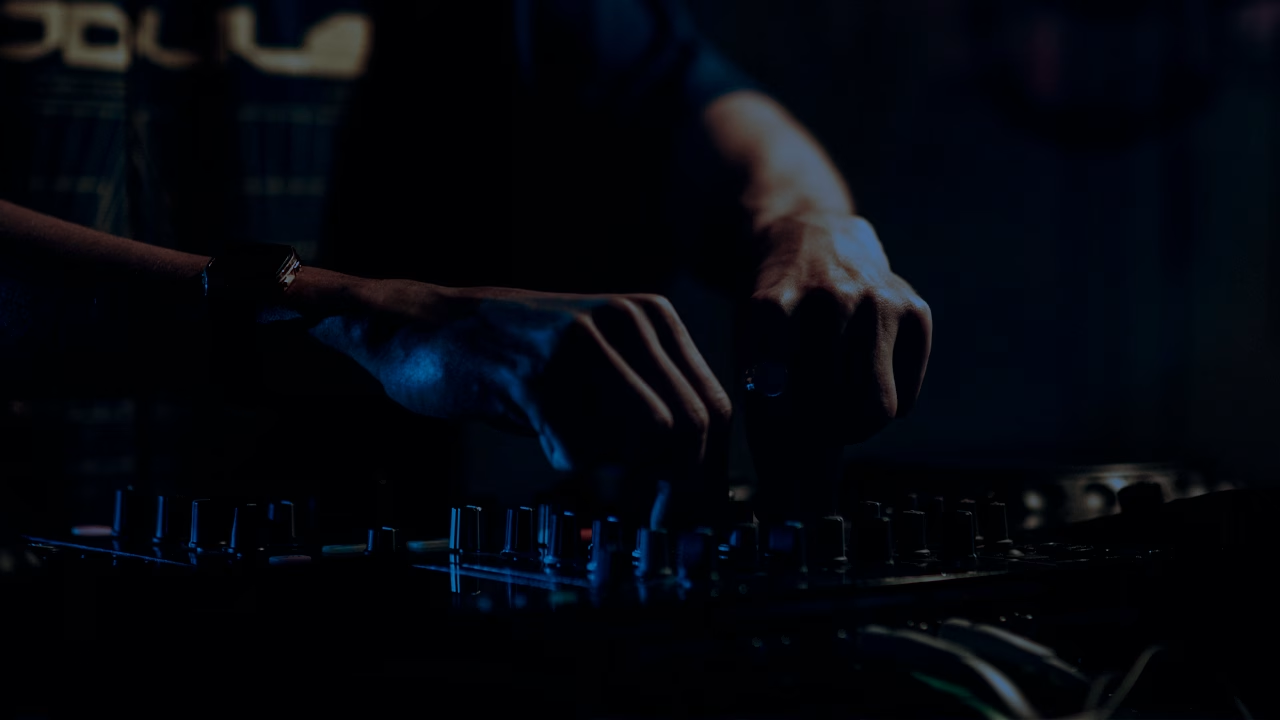
Featured image by: Faheem Ahamad
Read also: The Hardest Set as a DJ Is Negotiating Your Rate
* generate randomized username
- COMMENT_FIRST
- #1 Lord_Nikon [12]
- #2 Void_Reaper [10]
- #3 Cereal_Killer [10]
- #4 Dark_Pulse [9]
- #5 Void_Strike [8]
- #6 Phantom_Phreak [7]
- #7 Data_Drifter [7]
- #8 Zero_Cool [7]