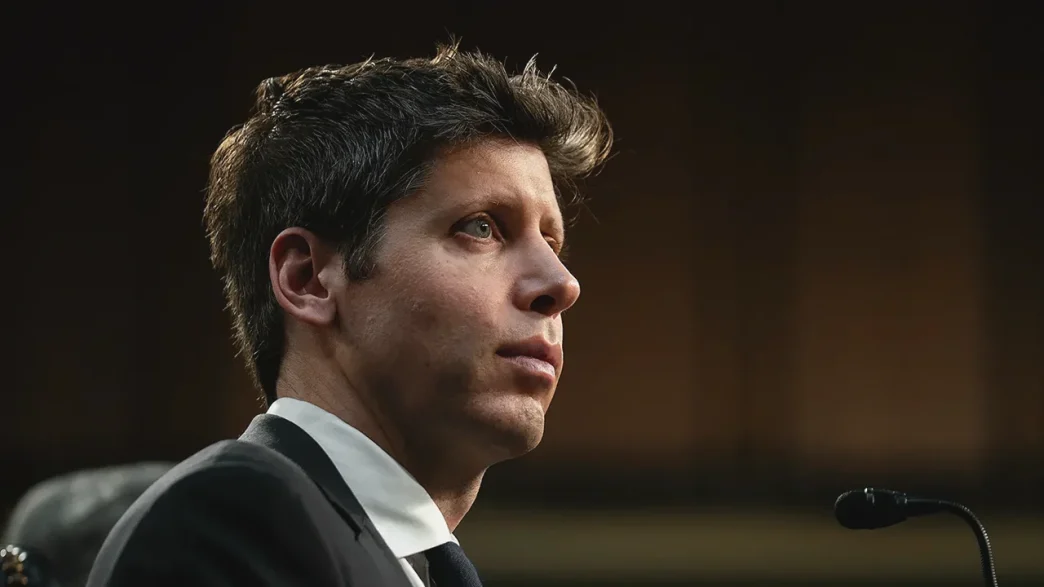
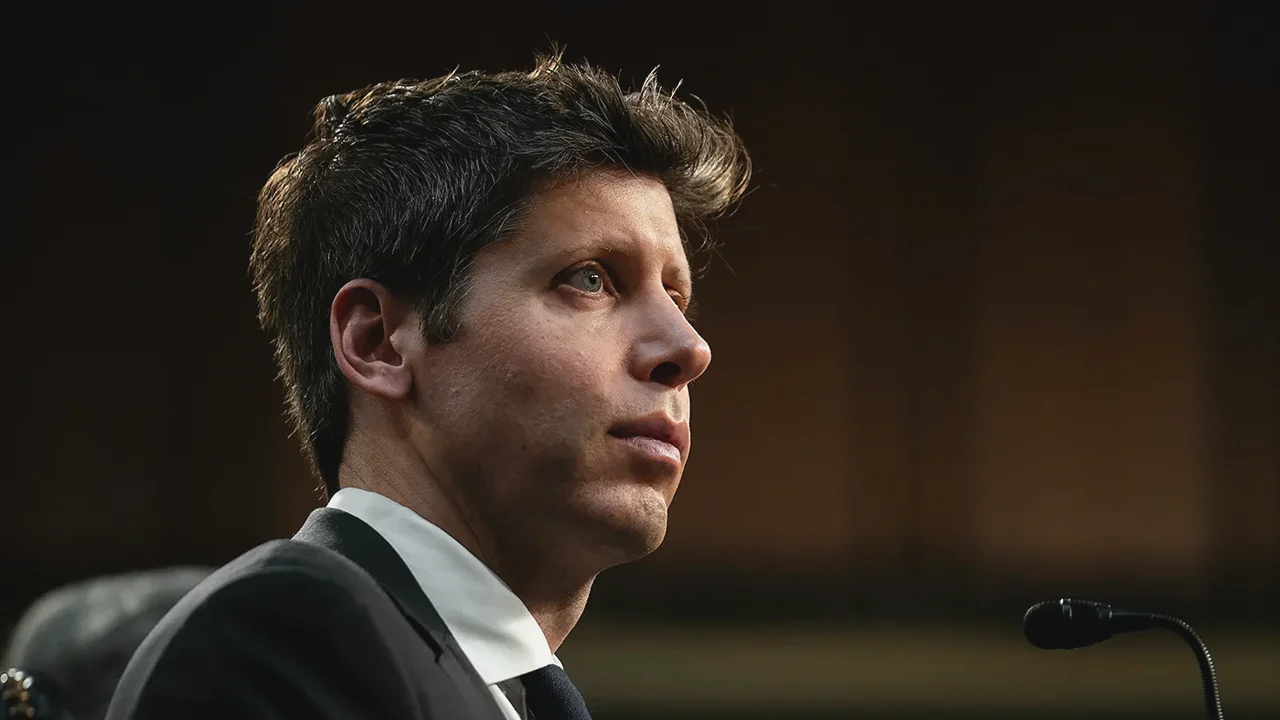

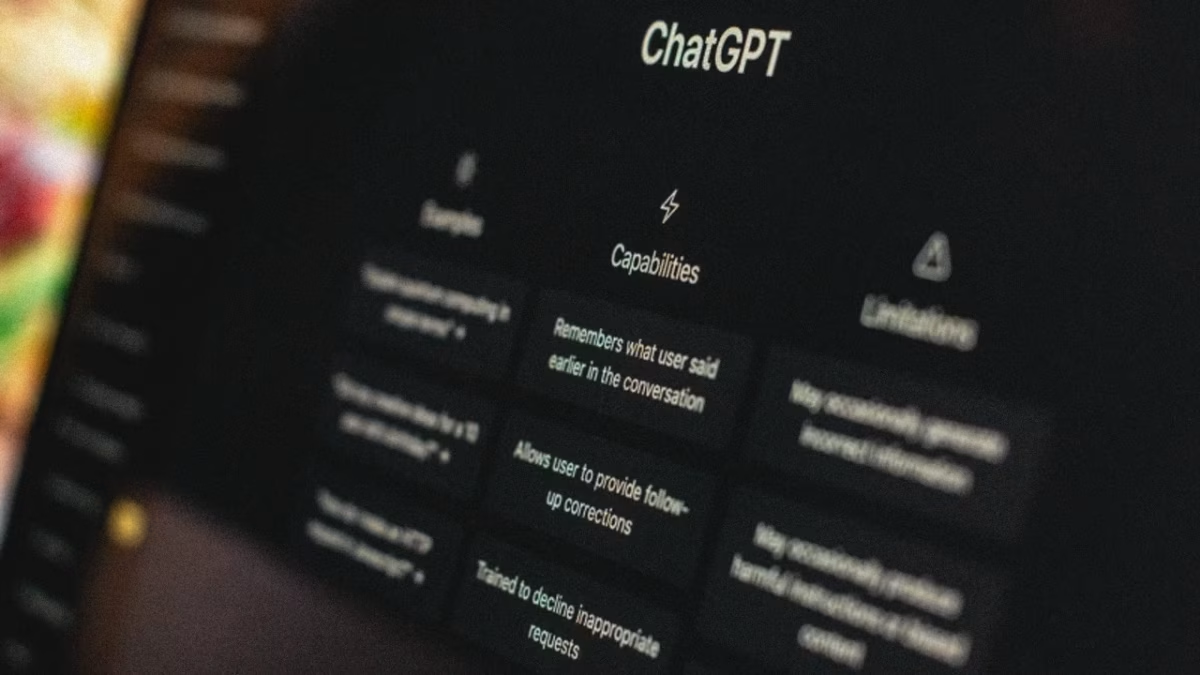
So why is everyone suddenly “canceling” ChatGPT? For a lot of everyday users, ChatGPT was just another tab: a place to fix emails, debug code, or outline a podcast episode. Then OpenAI quietly turned that tab into a front door to the U.S. military.
In late February, the company confirmed a deal that brings its models into classified Department of Defense networks, with executives insisting there are “red lines” around mass surveillance and fully autonomous weapons—even as U.S. officials describe using the tech for “all lawful” purposes. That gap between the sales pitch and the fine print is where the “Cancel ChatGPT” energy is coming from.
What did OpenAI actually sign with the Pentagon?
The outlines, as reported so far, sound clinical: OpenAI will pipe models into secure government clouds, wrap them in its own safety stack, and embed engineers alongside defense officials to monitor how they’re used. The company says its systems won’t directly control weapons and won’t be turned into a dragnet for domestic spying, with humans kept “in the loop” on decisions about force.
But officials on the government side have emphasized that OpenAI’s tools will be available for any “lawful” mission—including intelligence work in the post‑Patriot Act landscape, where large‑scale data collection on Americans has already been justified as legal in “some scenarios.” That’s the tension: OpenAI wants the glow of responsible innovation while signing up to a machine that historically stretches the word “lawful” until it squeals.
The boycott that started in the group chat
The first cracks didn’t appear in think‑tank white papers—they showed up on Reddit threads and X timelines where power users swap prompts like guitar pedals. Within hours of the Pentagon news hitting tech media, screenshots of cancelled ChatGPT Plus receipts started stacking up under hashtags like “Cancel ChatGPT” and “QuitGPT.”
A grassroots campaign, QuitGPT, claims more than a million people have taken some kind of action: cancelling subs, signing up on the movement’s site, or blasting boycott posts across social feeds. Coverage describes plans for in‑person protests outside OpenAI’s San Francisco headquarters, turning what started as a UI choice into something closer to a street‑level culture war over who gets to aim frontier AI at what.
OpenAI Is About to Flood the Music Industry With Even More AI Slop
Anthropic’s refusal and the ethics split
Part of why this stings for some users is that OpenAI didn’t have to be the one to cross this line first. Rival Anthropic says it explicitly refused Pentagon pressure to open its Claude models up for domestic mass surveillance or fully autonomous weapons, even after that stance got it branded a “supply‑chain risk” and banned from U.S. government use.
In that light, OpenAI’s deal doesn’t look like an inevitability—it looks like a choice. Critics argue the company rewrote its own usage policies to make room for defense work, then sold that pivot as a reluctant civic duty rather than a business decision. Supporters counter that if someone is going to supply the Pentagon with AI, it may as well be a lab with robust safety teams rather than a defense contractor with fewer scruples.
Are people actually leaving ChatGPT, or just yelling?
The short answer: ChatGPT is still huge, but the runway ahead is getting crowded. A market‑share analysis using mobile app data shows OpenAI’s flagship falling from about 69 percent of the AI chatbot app market in early 2025 to roughly 45 percent in 2026, while Google’s Gemini and Musk’s Grok surge forward. Web traffic numbers tell a similar story, with Gemini’s main site pulling ahead of ChatGPT.com in late 2025 as OpenAI’s traffic dipped.
Zoom out to the broader LLM ecosystem and the pattern holds: ChatGPT still drives the majority of AI‑driven SaaS discovery sessions, but its volume was cut roughly in half between July and December 2025 as usage spread toward Copilot, Claude, Gemini, and Perplexity. Analysts describe the shift less as a collapse and more as what happened when Netflix stopped being the only streaming service—a maturing market where people route specific jobs to specific tools instead of treating one app as the whole genre.

What Google Gemini’s Lyria 3 Means for the Future of Professional Musicians
How the “Cancel ChatGPT” wave fits into that market shift
The boycott doesn’t exist in a vacuum; it’s riding on top of a user base that was already experimenting with alternatives for reasons that had nothing to do with the Pentagon. Teams discovered Gemini’s tight integration with Google’s stack, Claude’s strengths at long‑form reasoning, and Copilot’s “in‑the‑workflow” feel inside Office—each pulling different kinds of usage away from ChatGPT.
The Pentagon deal gives that drift a moral hook. If you’re an organizer, journalist, or just someone who doesn’t want your subscription fees floating next to a drone program, it’s suddenly a lot easier to justify moving your best prompts over to Claude, Gemini, or a self‑hosted model. QuitGPT and similar campaigns are actively trying to turn that instinct into habit, publishing how‑to‑switch guides and lists of privacy‑friendlier tools.
For creators and fans, this feels like watching your favorite band sign the wrong deal
There’s a specific kind of disappointment when a tool that felt like a scrappy, slightly chaotic collaborator starts taking defense money. OpenAI once positioned itself as the lab trying to make super‑powerful models safe for everyone; now, that same safety rhetoric is being used to justify slotting those models into classified command chains.
For writers, musicians, developers, and community organizers who built workflows around ChatGPT, the Pentagon partnership reads like a jarring label change: the indie act you loved for its weirdness waking up on the roster of a weapons‑adjacent conglomerate. Some will shrug and keep using what works. Others are already treating “Where does my AI money sleep at night?” as another ethical axis alongside streaming royalties and festival sponsors.



So…should you cancel ChatGPT?
On one level, this boils down to a gut check. If your personal red line is “no military work, period,” then OpenAI just stepped over it, and cancelling Plus is a coherent way to line your stack up with your politics. Movements like QuitGPT are betting that enough people feel that way—and are willing to move—to reshape the market from the ground up.
If you stick around, it’s worth treating this as a wake‑up call rather than background noise. Decouple your prompts from any single vendor, plug at least one non‑OpenAI model into your daily workflow, and keep an eye on how often “all lawful purposes” gets stretched in Washington as the Pentagon leans harder on commercial AI. Whether you cancel or not, the era of pretending your favorite chatbot exists outside of politics is over.
Sources
- CNN – OpenAI strikes deal with Pentagon hours after Trump admin bans Anthropic
- TechCrunch – OpenAI reveals more details about its agreement with the Pentagon
- Business Today – OpenAI faces backlash against Pentagon deal, “Cancel ChatGPT” movement goes viral
- Yahoo News – “Cancel ChatGPT”: AI boycott surges after OpenAI–Pentagon military deal
- Breitbart – “QuitGPT”: OpenAI Faces Leftist Backlash over Department of War Partnership
- Search Engine Land – The real story behind the 53% drop in SaaS AI traffic
- ALM – SaaS AI Traffic Drop 53%: 774K LLM Sessions Data Analysis
- Fortune – ChatGPT’s market share is slipping as Google and rivals close the gap
- Vertu – AI Chatbot Market Share 2026: Similarweb Analysis
* generate randomized username
- COMMENT_FIRST
- #1 Lord_Nikon [12]
- #2 Void_Reaper [10]
- #3 Cereal_Killer [10]
- #4 Dark_Pulse [9]
- #5 Void_Strike [8]
- #6 Phantom_Phreak [7]
- #7 Data_Drifter [7]
- #8 Zero_Cool [7]