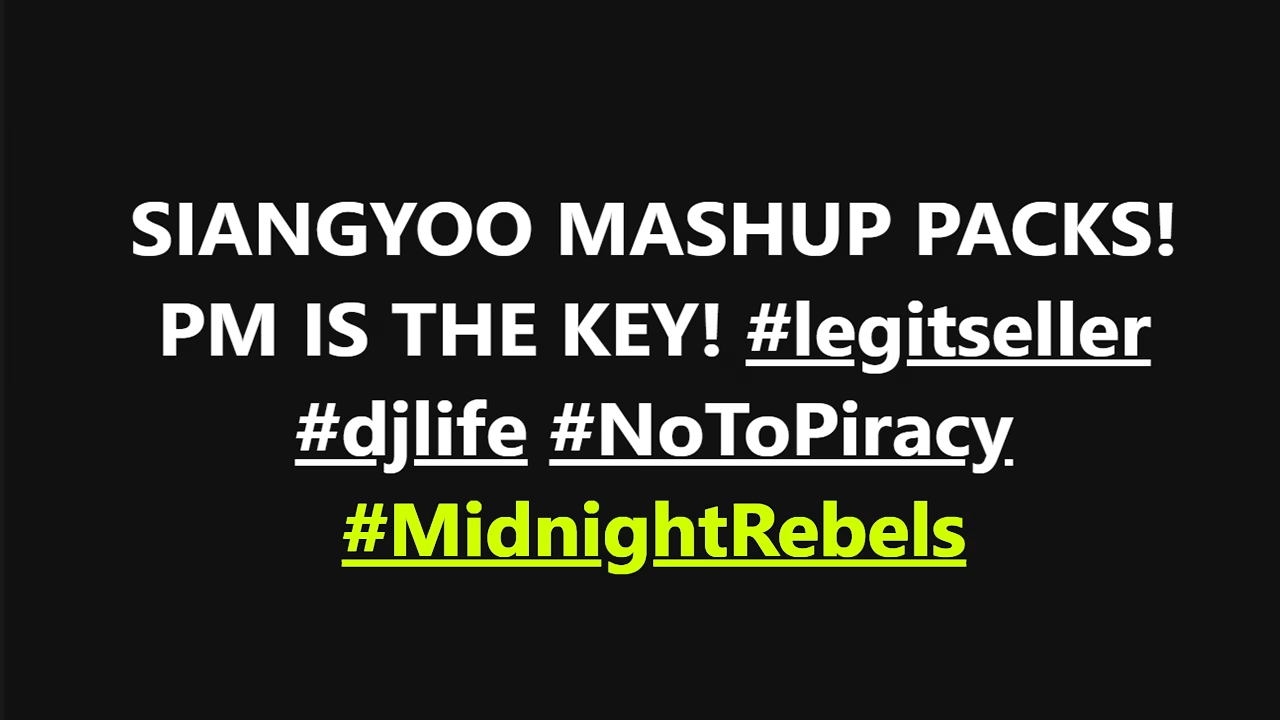

Now, these resellers often operate as online sellers on the network, showcasing previews of what they just packaged for the DJs and what are the trendy stuff that DJs should be playing. They then repackage and resell this content without the knowledge or permission of the original creators, pocketing that money from the music they just “supplied”. But then again, businesses ideally should truthfully uphold what they say, especially when the “dance music” police comes in check.
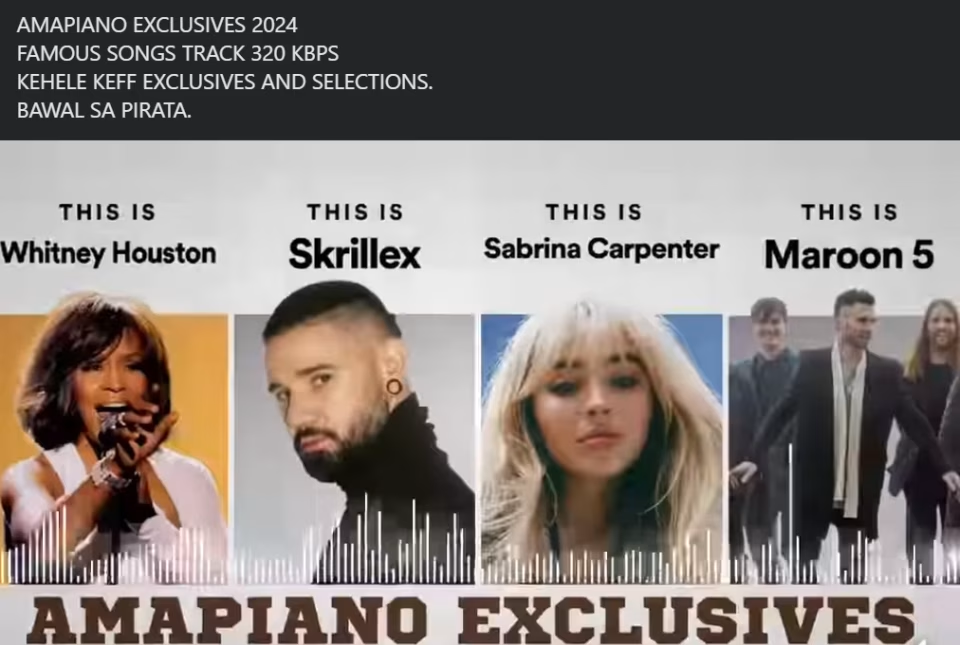
DJs Siangyoo and Kehele Keff both noticed the modus operandi and shared their thoughts respectively with us with regards to the issue that has circled around the DJ industry.
Foul yun kasi walang consent and mahirap mag isip ng mashups. Parang naki ‘free ride’ lang sila tapos may profit pa ‘di ba? Siguro mag pa-alam lang sila or at least may profit sharing. Hindi kasi talaga ako ng re-release ng mga pack kasi live ko ginagawa yung 95%. So nagugulat nalang din ako na meron na online.
English translation: That’s foul because there’s no consent and it’s hard to come up with mashups. It’s like they’re just free-riding and still making a profit, right? Maybe they should just ask for permission or at least have profit sharing. I don’t really re-release packs because I do 95% of it live. So I’m also surprised that there are already some online.
First is I feel bad sa clients nako who bought the pack because of di masyado kalat sa ibang DJs but nafind out na ginaresell sa uban. But to be honest yung mga regular ko na bumibili is still bumibili pa din sakin and keep inquiring if may bago ako even though they know na may nagasell at cheaper price. Second is the effort I made. Compare to remix and producing original, mashups are much easier and majority can do that with basic knowledge aboud key blending and beat griding. But to standout you need to spend time looking for that perfect instrumental na magblend sa acapella of your choice. Put yourself as customer and try to listen what you made. If feel mo di ka totally na excite then there’s something wrong and revise the whole idea. Yan nga effort ang ginaspend nako weekdays since wala akong gigs. Nakatambay sa Spotify playlists and other streaming platforms para maghanap ng magagandang song for future instrumentals. Then suddenly may bibili sakin just to resell sa iba. Yung tamang antay nalang pag luto na. Lastly, about these resellers you can’t expect a 100% quality of the products they are selling. After they resell a pack from a legitimate seller they intend to give you random freebies na for sure di mo naman talaga magagamit. They just need you to click the bait and I know some of the DJs is gusto lang din makatipid.
English translation: First, I feel bad for my clients who bought the pack because it’s not widely available to other DJs, but they found out that it’s being resold to others. But to be honest, my regular customers who buy from me are still buying from me and keep asking if I have new stuff, even though they know that someone else is selling it at a cheaper price. Second is the effort I put in. Compared to remixing and producing originals, mashups are much easier and most people can do it with basic knowledge about key blending and beat gridding. But to stand out, you need to spend time looking for the perfect instrumental that blends with the acapella of your choice. Put yourself in the customer’s shoes and try to listen to what you made. If you don’t feel totally excited about it, then there’s something wrong and you need to revise the whole idea. That’s the effort I’ve spent on weekdays since I don’t have gigs. I hang out on Spotify playlists and other streaming platforms to find good songs for instrumentals. Then suddenly, someone will buy from me just to resell it to others. The right thing to do is just wait until it’s finished. Lastly, about these resellers, you can’t expect 100% quality of the products they’re selling. After they resell a pack from a legitimate seller, they intend to give you random freebies that you probably won’t really use. They just need you to click the bait, and I know some DJs just want to save money.
On the flip side, producers are being exploited as well. Gil Andrie, a Cebuano music producer, shared his thoughts as well.
When DJs ask for support, like raising their talent fees, the community backs them up. But when music producers ask for support by having people buy their music, many turn to pirate sellers instead. It’s frustrating to see how DJs and producers are part of the same industry, yet the support is one-sided. Too often, people look out for themselves rather than helping fellow artist.
Now, what are the exact ethical implications of illegal reselling, the key points to note before reselling, and the mitigating factors that can help counter this issue?
The Ethical Implications
- Copyright Infringement: The most obvious ethical concern is copyright infringement. Creators invest significant time, effort, and resources into their music. Unauthorized reselling undermines their rights and potential earnings.
- Loss of Revenue: When music is resold without proper compensation, artists miss out on potential revenue such as purchases of music crates compiled.
- Unfair Competition: Resellers who operate illegally gain an unfair advantage over legitimate artists and businesses. They can undercut prices and flood the market with unauthorized content.
Key Points to Note
- The Importance of Permission: Before reselling any music, it is crucial to obtain explicit permission from the original creators or rights holders. This ensures that you are acting legally and ethically.
- The Value of Attribution: Even if you have permission to resell music, it is important to attribute the original creators properly. This gives them credit for their work and helps to maintain their reputation.
- The Risks of Legal Action: Reselling music without permission can lead to legal consequences, including copyright infringement lawsuits and financial penalties.
Mitigating the Problem
- Strengthened Quality Control and Screening: Social media giants is a friendly site to all business owners ranging from sole proprietor to corporations to which quality control should be managed. Enough legitimacy even from where you get the supply from and who you collaborated with to create the pack should be made known publicly.
- Increased Awareness: Artists and music consumers should be educated about the dangers of unauthorized reselling. They should be encouraged to report any suspicious activity and support legitimate music sources.
- Collaboration Between Industry Stakeholders: Music labels, artists, and streaming platforms should work together to develop strategies for combating unauthorized reselling. This could involve sharing information, improving copyright protection, and exploring new business models. A key example is collaborating directly from the original creator with an agreement of proper profit sharing.
By addressing these issues, the music industry can help to protect the rights of artists and ensure a fair and equitable marketplace for everyone involved.
* generate randomized username
- COMMENT_FIRST
- #1 Lord_Nikon [12]
- #2 Void_Reaper [10]
- #3 Cereal_Killer [10]
- #4 Dark_Pulse [9]
- #5 Void_Strike [8]
- #6 Phantom_Phreak [7]
- #7 Data_Drifter [7]
- #8 Zero_Cool [7]