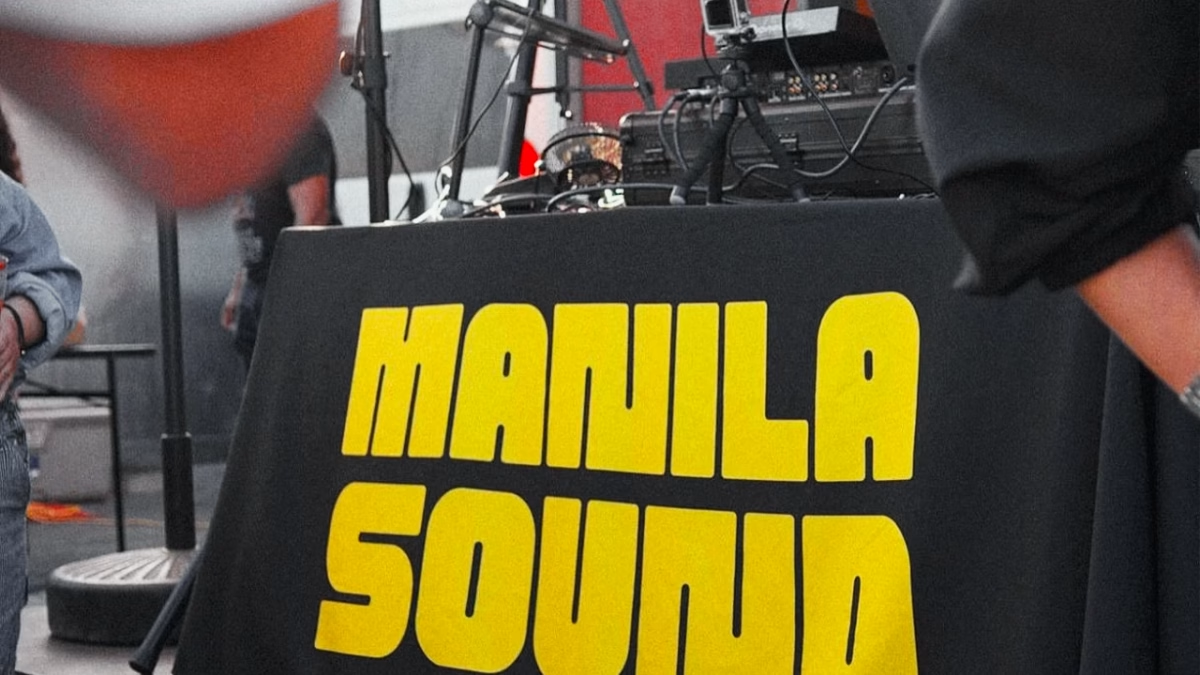
The Philippine nightlife scene has always been shaped by the LGBTQ+ community, a source of creativity and self-expression. Queer artists have consistently pushed boundaries and created welcoming spaces. But beyond the bright lights, there are unique challenges and triumphs for LGBTQ+ individuals in this industry. From the subversive beats that spill out onto the streets to the inclusive dancefloors that offer refuge, the impact is undeniable.
To understand this landscape more deeply, we sat down with Mike Lavarez, also known as Mike Lavet, a key Filipino DJ who started playing the party scene in 2013. He has since become a resident DJ at prominent venues like Cove Manila and Nectar Nightclub. As one of the founders of “Poison Wednesdays,” the longest-running LGBTQIA+ party in Metro Manila, Lavarez has been instrumental in shaping the local scene. This editorial explores how Filipino LGBTQ+ DJs are currently influencing local music, the challenges they face, the path toward genuine inclusivity in clubs, the effect of mainstream visibility on queer events, and the crucial role of collectives in fostering new talent.
Shaping the Sound: Queer Influence on the Mainstream
The sonic identity of Philippine nightlife owes a significant debt to its queer artists. They are not merely participants but active architects of its evolution. This is evident in the increasing integration of queer talent into the programming of mainstream venues, a shift that moves beyond token gestures during Pride month.
The Crossover Effect
Mike Lavarez observes a clear trend of mainstream acceptance and adoption of queer-curated sounds. “Representation plays an important role in shaping culture,” he notes. “I’ve been seeing a lot of establishments in the local nightlife scene that have started to include queer talents in their lineups not just during Pride month… but as regulars in their nightly programming.”
This sustained presence does more than just diversify lineups; it enriches the musical environment for everyone. “This continuous support for local LGBTQIA+ DJs & Drag queens in turn make their nights more colorful, fun & dynamic,” Lavarez adds. The influence flows both ways. He points to a fascinating phenomenon where mainstream DJs are now drawing inspiration from queer pop culture. “It’s also fun to be seeing straight DJs take cue from Queer pop culture (remember when ‘Tala’ became a hit years after it has been released – that was the gays!).” This instance, where Sarah Geronimo’s 2016 song became a national anthem years later after gaining traction in queer spaces, demonstrates how these communities often act as cultural incubators.
A Return to Queer Roots
There has also been a noticeable resurgence of genres deeply rooted in LGBTQ+ history. “Years ago there’s also been a resurgence for genres like House, Disco & Ballroom / Vogue – genres that played a big role on the LGBTQIA+ musical landscape,” Lavarez explains. The revival of these sounds is not just a stylistic choice but a reclamation of history, bringing the foundational music of queer liberation back to the forefront. As these genres are re-embraced, it offers queer artists a platform “to reclaim & to educate people outside of the community,” connecting a new generation of partygoers to the cultural origins of the music they enjoy.
The Work Towards True Inclusivity
While queer artists are gaining more visibility, the fight for genuinely safe and inclusive spaces continues. The presence of an LGBTQ+ DJ in the booth does not automatically guarantee a welcoming environment for all patrons and staff, particularly for the most marginalized within the community.
Addressing Discrimination Through Education
The challenges are often subtle, embedded in institutional ignorance rather than overt hostility. How can nightlife spots evolve into truly safe havens? Lavarez points to corporate responsibility as a key factor. “Through awareness & disseminating correct information,” he states simply. The onus, he argues, falls on the establishments themselves to cultivate an informed and respectful workforce.
He suggests a proactive approach: “While employees come from varied social backgrounds it is the duty of an establishment to properly educate their work force as part of their Corporate Social Responsibility; by initiating workshops or even simple guested talks in the office.” Such initiatives are practical steps that can directly address prejudice and prevent discriminatory incidents. “This move can help alleviate LGBTQIA+ cases of abuse & discrimination,” Lavarez asserts. This framework moves beyond passive tolerance towards active allyship, ensuring that safety is a structural component of the venue’s operation, benefiting both employees and patrons, especially transgender individuals who often face the highest risk of harassment.
The Vibe of Authenticity
As LGBTQ+ issues gain more mainstream attention in the Philippines, a question arises: does this increased visibility dilute the unique character of dedicated queer nightlife events? According to Lavarez, the core of these spaces remains their emphasis on authenticity. “Being authentically true to ourselves is important,” he stresses. “Safe, queer spaces offer validation, the joy of connection & the importance of community with no judgement & potential harm.”
This sense of security is paramount. While increased visibility can bring new allies, it can also attract individuals who don’t understand the unspoken rules of a queer-coded space. However, Lavarez believes the community is equipped to handle these growing pains. “While there may be mishaps, the community has also been vocal about practicing accountability so we can promote personal growth & well-being.” This internal mechanism of accountability helps preserve the integrity of these events, ensuring they remain sanctuaries of free expression.

The Proving Ground
The cultivation of new talent is essential for the continued evolution of any music scene. In the context of Philippine queer nightlife, collectives have played a pivotal role in creating platforms for emerging artists, often outside the confines of traditional venues.
The Legacy of Poison Wednesdays
When asked about the role of such collectives, Lavarez re-angles the question to tell the story of his own creation, “Poison Wednesdays,” a party that became an institution. “8 yrs ago I received a call from my then Manager where I got introduced to the owner of an upcoming gay club which was to be called ‘Nectar Nightclub’,” he recalls. The vision was specific. At a time when EDM dominated the mainstream, Nectar’s owners “wanted a night that would host the deviant, the artsy, those who listened to Pop, Novelty, Electronica etc.“
Lavarez gathered his friends from the industry, and “Poison Wednesdays” was born. It quickly became more than just a party; it was a launchpad. “Every week we featured – (or ‘Mothered’) up & coming talents from DJs to Drag Queens,” he says, name-dropping some of its most famous alumnae: “Marina Summers, Minty Fresh of Rupaul Drag Race PH to name a few, who eventually made successful careers both here & abroad.” The success of “Poison” created a blueprint, inspiring a younger generation of queer artists to form their own collectives and create their own spaces, continuing the cycle of mentorship and innovation that defines the scene.
Acknowledgements: Special thanks to fellow LGBTQ+ artist Khim Custodio for facilitating the introduction to Mike Lavarez for this feature.
Sources: Interview with Mike Lavarez (Mike Lavet), June 2025.
* generate randomized username
- COMMENT_FIRST
- #1 Lord_Nikon [12]
- #2 Void_Reaper [10]
- #3 Cereal_Killer [10]
- #4 Dark_Pulse [9]
- #5 Void_Strike [8]
- #6 Phantom_Phreak [7]
- #7 Data_Drifter [7]
- #8 Zero_Cool [7]