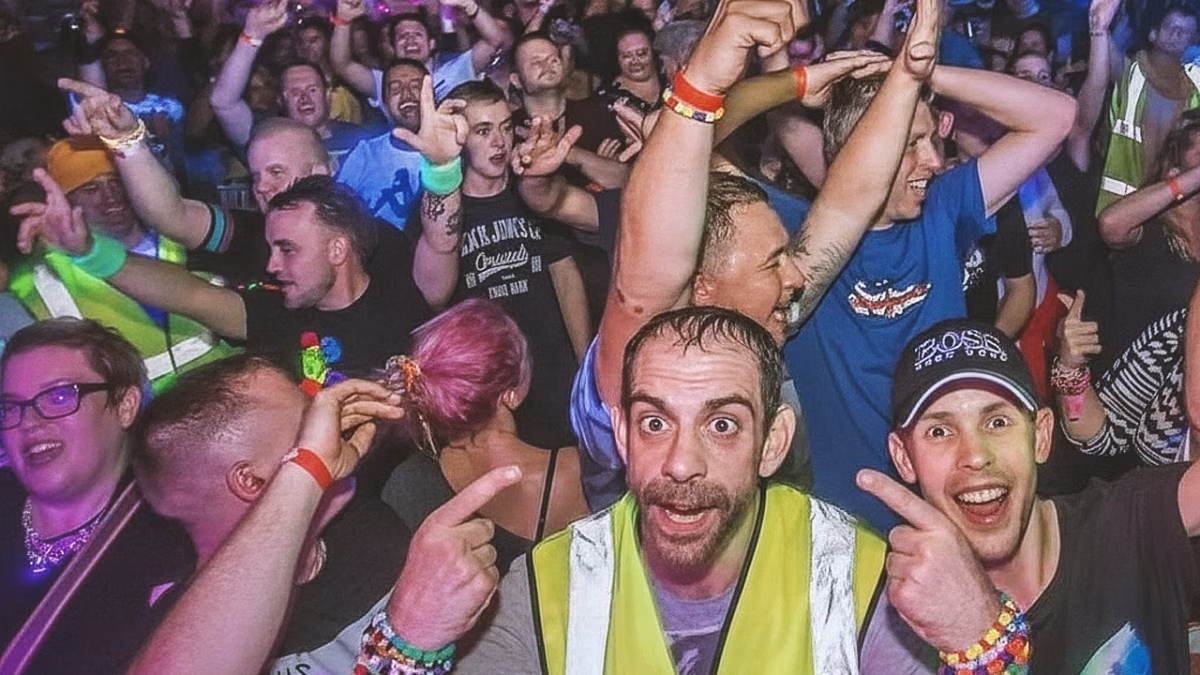

The story starts in the late 1980s when UK raves were all about breakbeat hardcore. DJs were speeding up house and sampling reggae and rap. By 1992, that sound split in three directions: darkcore went deep and moody, jungle leaned into bass and reggae roots, and the third path focused on bright melodies and full-on euphoria. That path became happy hardcore. 1
A handful of DJs—Slipmatt, DJ Sy, and Seduction among them—kept these upbeat vibes alive. They played at massive events from Fantazia to Raindance. As gear got cheaper, more bedroom producers jumped in, pushing tempos past 160 BPM. The scene felt thrilling and inclusive, a space where young ravers chased that shared rush. 2
What defined the sound
Four main traits made happy hardcore stand out:
- Fast tempos, usually 160–180 BPM
- Major-key piano riffs and synth stabs
- Sentimental solo vocals
- Steady four-on-the-floor kicks taking over from chopped breakbeats
Producers built tracks around simple hooks meant to get hands in the air. Unlike darker subgenres, happy hardcore invited singalongs and felt like a soundtrack for suburban youth escaping everyday life. 3
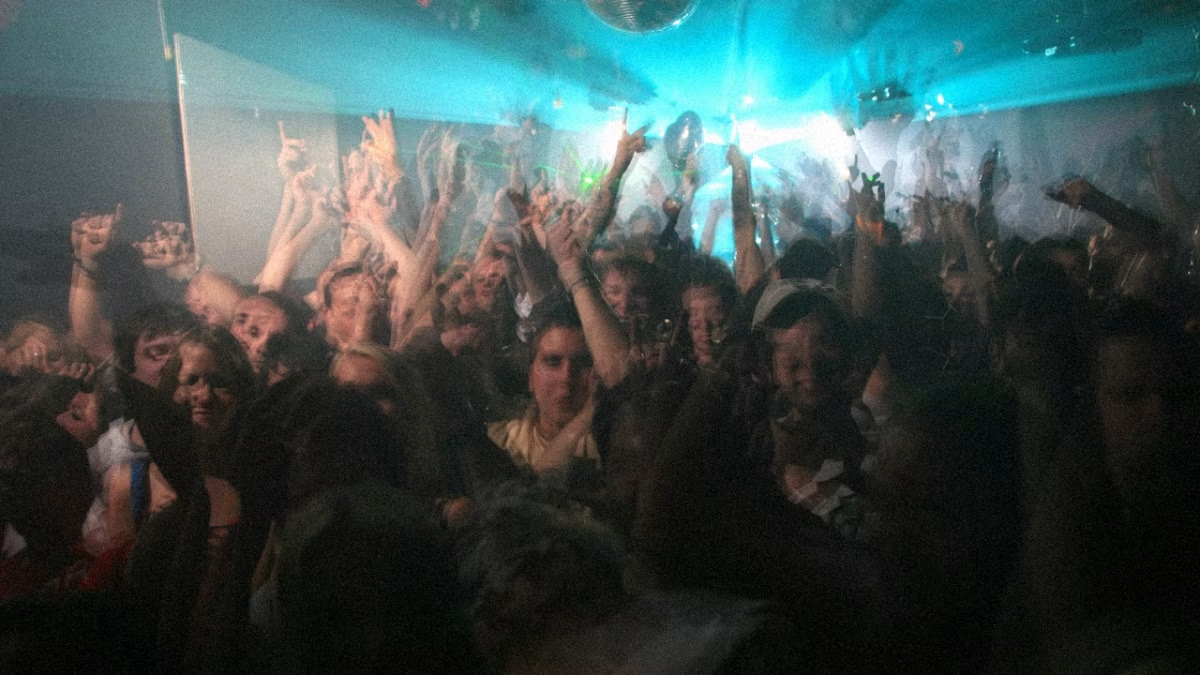
What Is ‘Rave’? From Underground Movement to Mainstream Success
The peak years and big compilations
By 1995, happy hardcore had its own clubs, labels, and fans. Compilation series turned it into a national phenomenon. Bonkers, launched in 1996, was the flagship. DJs Hixxy and Sharkey curated tracks like Heart of Gold and Pretty Green Eyes, which nailed that bright-and-punchy combo.
In North America, Moonshine released Happy 2b Hardcore mixes by Anabolic Frolic, giving US listeners a crash course in UK style. These compilations sold thousands of copies and cemented happy hardcore’s tropes: driving kicks, sugary melodies, and vocals that felt like pop hooks sped up to warp speed. 4
Community feedback at the time
Fans called it the purest high, a space where singing along was as important as the beat drop. Forums and early chat rooms brimmed with praise for the emotional honesty and collective energy. Some regulars still share stories about first raves scored by happy sets. For newcomers, those memories read like ritual confessions of a shared pastime.
But not everyone was sold. Jungle and drum and bass fans saw happy hardcore as naive. Critics pointed to tracks that followed the same template. DJs on the happy side heard complaints about lack of depth. That tension lived in mixed bills where the happy floor and jungle room sat side by side but rarely mixed audiences. 5
Why it slipped
Three main reasons explain the decline by the late 1990s:
- Formula fatigue
As labels chased easy hits, tracks got predictable. Too many producers leaned on the same piano loops and vocal stabs. That assembly-line feel took the edge off the excitement. - Stigma around the name
“Happy hardcore” became shorthand for uncool. Artists who wanted longevity started avoiding the label. Darren Styles and Chris Brown have said the genre tag itself became a barrier to new audiences. - Shifting scenes and leadership
Key promoters and events faded. Murray Beetson’s death in 1996 hit Dreamscape hard. Without big rivalries and fresh venues, momentum slowed. Meanwhile, jungle and drum and bass offered a grittier alternative. Trance was pulling crowds looking for soaring melodies without the sugar rush.
When younger fans moved on to other styles, happy hardcore struggled to hold its base. The very traits that made it stand out—fast BPMs and bubblegum vocals—limited crossover to mainstream radio or cool underground circles.


Persistence and revival
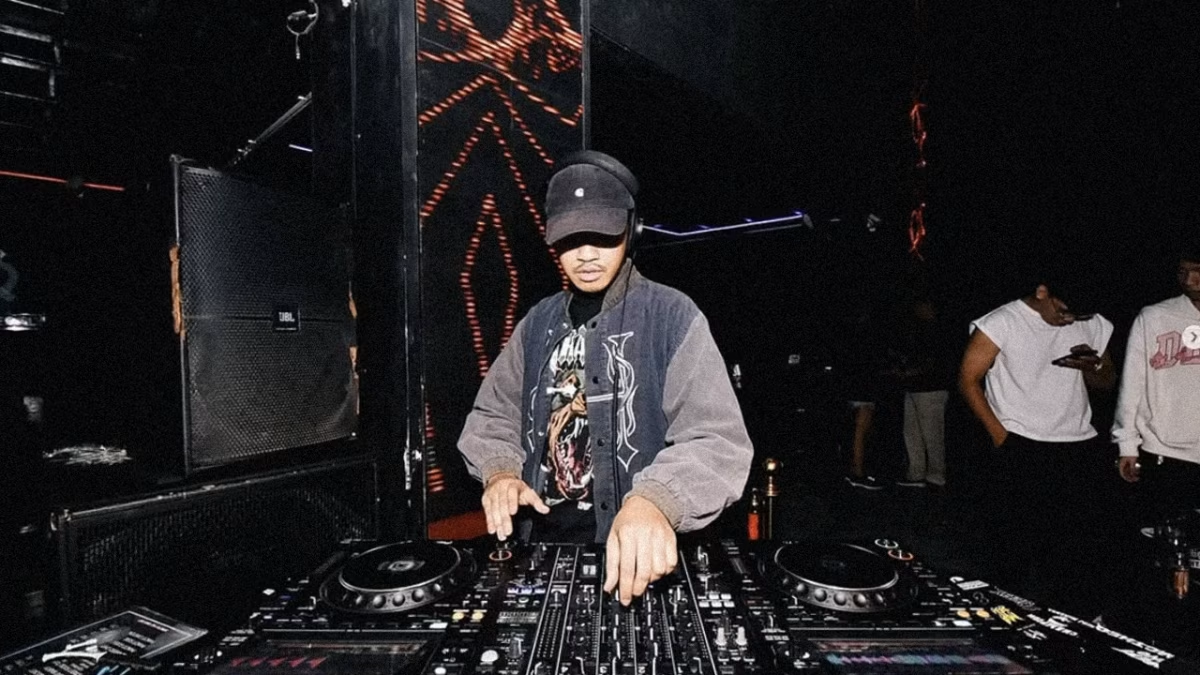
Happy hardcore never truly died. In the 2000s, UK hardcore and Clubland X-Treme Hardcore brought a trancier sheen back to the style. Producers cleaned up the mix, added supersaw synths, and leaned into festival-ready drops. Smaller events and online mixes kept the community connected.
The internet played a big role. YouTube uploads of old Moonshine and Bonkers sets get thousands of views. Reddit threads on r/happyhardcore are full of tips for digging out rare tracks and personal rave stories. For many, those community hubs are proof that the rush still matters.
Influence on later genres
If you listen closely, you can hear happy hardcore’s fingerprints across modern sounds:
- UK hardcore and hard dance kept the tempo high and the vocals uplifting
- Trance and big-room EDM borrowed the euphoric builds and supersaw layers
- Nightcore and hyperpop pitched vocals up and sped tracks up online, mirroring that same high-energy vibe
These offshoots show that a genre built on pure emotional impact has tools to adapt. Even if it no longer dominates clubs, happy hardcore shaped production tricks and community habits used today.
Lessons from happy hardcore
Three takeaways stand out:
- Emotion first: Making joy the main focus can create powerful community moments. It also sets clear expectations for both artists and fans.
- Label power: Genre names can rally fans but also box in artists. Careful branding matters when a scene grows up.
- Managing churn: Raves thrive on new faces but need ways to keep veterans involved. Too much turnover hurts quality control and scene memory.
Getting started today
Want to explore happy hardcore? Try this playlist order:
- Early 1993–94 mixes by Slipmatt and DJ Sy to hear breakbeat roots.
- Mid-90s Bonkers volumes with Hixxy and Sharkey for peak-era anthems.
- Moonshine’s Happy 2b Hardcore series by Anabolic Frolic to see the US take.
- Modern UK hardcore compilations and YouTube mixes to trace the evolution into today’s hard dance scene.
Listening this way lets you follow the shift from chopped breaks to 4/4 stomp, from sampled vocals to verse-chorus hooks.
Happy hardcore rose on a simple promise: collective joy at breakneck speed. It faded when overfamiliar formulas, a stigmatizing label, and new rival styles pulled crowds away. Yet its core moves—fast beats, bright chords, memorable vocals—keep popping up in new contexts. For a genre that seemed destined for a short life, that ongoing influence is its greatest triumph.
Sources: Wikipedia’s happy hardcore entry , Toucan Music’s UK hardcore history , Ransom Note’s genre overview , Moonshine’s Happy 2b Hardcore background , community threads on Reddit.
- https://en.wikipedia.org/wiki/Happy_hardcore ↩︎
- https://www.toucanmusic.com/articles/ukhardcore/ ↩︎
- https://www.vice.com/en/article/happy-hardcore-history-trivia-slipmatt-dougal-hixxy-sharkey/ ↩︎
- https://en.wikipedia.org/wiki/Happy_2b_Hardcore ↩︎
- https://www.theransomnote.com/music/playlists/gone-to-a-rave-35-high-on-a-happy-vibe-the-rise-and-fall-of-hardcore/ ↩︎
* generate randomized username
- COMMENT_FIRST
- #1 Lord_Nikon [12]
- #2 Void_Reaper [10]
- #3 Cereal_Killer [10]
- #4 Dark_Pulse [9]
- #5 Void_Strike [8]
- #6 Phantom_Phreak [7]
- #7 Data_Drifter [7]
- #8 Zero_Cool [7]