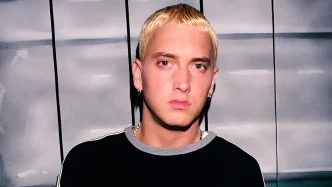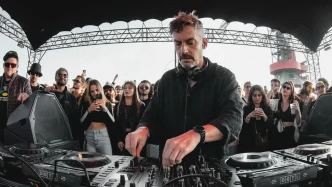

For a genre fundamentally built on the promise of utopian escapism and marginalized sanctuary, hard techno’s latest reality check has been brutally dystopian. In the first quarter of 2026, the global electronic music scene slammed into a brick wall of its own making. Driven by an avalanche of sexual misconduct allegations against some of the circuit’s heaviest hitters, the crisis—rapidly dubbed the “techno-files” across social media—has ripped the facade off an industry that has allowed rockstar-level excess to mask predatory backstage culture.
This isn’t just a few bad nights at the club. This is electronic music’s definitive “#MeToo” reckoning. The hard techno sound might be pushing past 160 BPM into a futuristic, AI-assisted sonic utopia, but the interpersonal dynamics governing the VIP booths have remained stuck in the dark ages.
How Did the “Techno-Files” Scandal Actually Start?
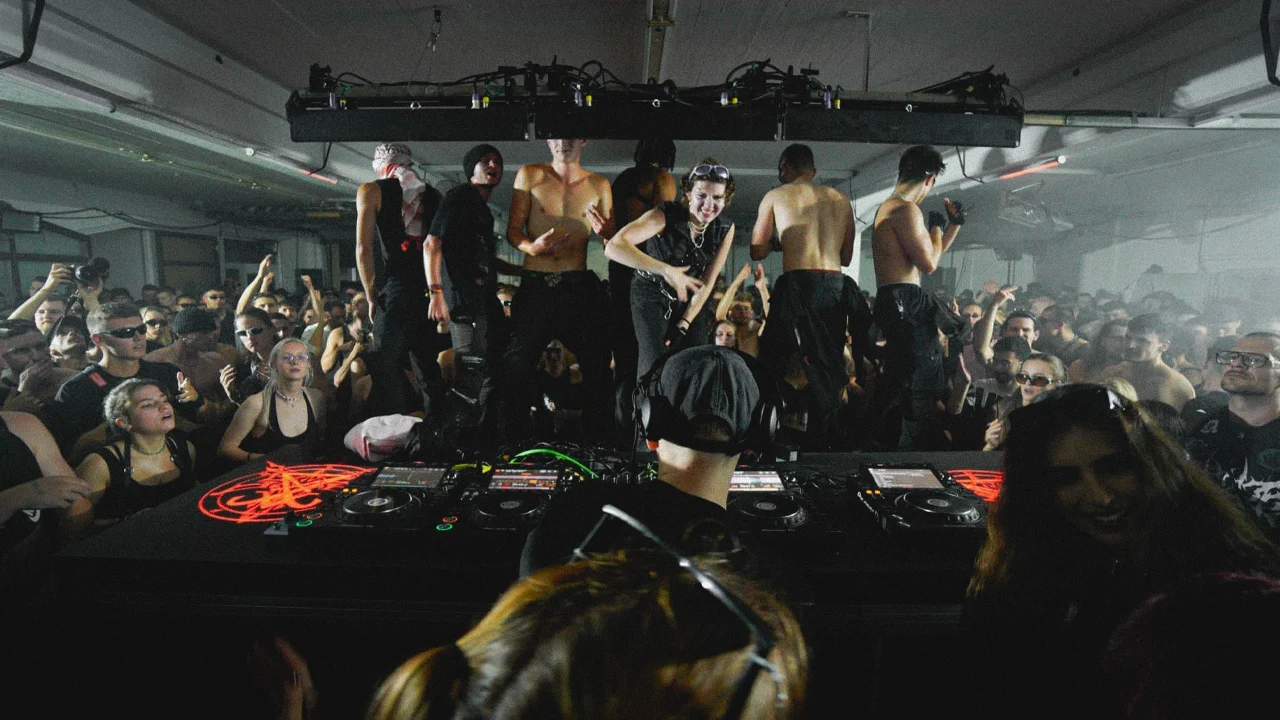
The catalyst for this industry-wide implosion arrived in February 2026, not through a glossy magazine exposé, but via a scorched-earth Instagram campaign from a whistleblower known as bradnolimit. A former employee of the heavyweight French talent agency Steer Management, bradnolimit unloaded a trove of harrowing accusations against a roster of hard techno royalty—namely Shlømo, Odymel, CARV, Basswell, and Fantasm.
The allegations spanned the absolute worst of human behavior: persistent sexual harassment, coercion, drink-spiking, and explicit accusations of rape. Online, the digital breadcrumbs of screenshots and DMs quickly earned the grim moniker of the “techno-files”—a dark, intentional nod from the community to the infamous Epstein files. The systemic nature of these stories laid bare a chilling “omertà,” an unspoken code of silence among agencies, tour managers, and promoters who were financially incentivized to look the other way while their marquee DJs treated backstage areas like consequence-free fiefdoms.
The 2026 Hard Techno Crisis: Inside the Steer Management Roster Collapse
The fallout for Steer Management—quickly branded “Steergate”—was instantaneous. As the agency fumbled through a sluggish PR response, their unaccused talent, including William Luck and 6ejou, publicly jumped ship in a massive show of solidarity with the victims. Proximity to abuse is now, finally, an existential financial liability.
Are Festivals Actually Dropping Accused DJs From Their Lineups?
When the dam broke, the live events sector fractured into two distinct camps: those who prioritized community safety, and those who prioritized ticket sales.
A coalition of major European institutions actually stepped up to the plate. Massive Dutch festivals like DGTL, Awakenings, Soenda, Dominator, and Verknipt moved with ruthless efficiency, scrubbing the accused artists from their 2026 lineups almost overnight. They didn’t wait for criminal convictions; they read the room and enforced their zero-tolerance policies, proving that a safe dancefloor is worth more than a sold-out headliner.
On the other end of the spectrum, you have the corporate behemoths playing a cynical game of PR gymnastics. Take Tomorrowland, for instance. The Belgian mega-festival quietly erased Odymel, Shlømo, and CARV from its official web graphics, hoping nobody would look too closely. But when pressed by the media, organizers admitted that the gigs weren’t technically canceled yet, hiding behind the classic “we are monitoring the ongoing investigations” defense. It’s a calculated, legally cautious ambiguity that perfectly illustrates the tension between moral imperatives and breach-of-contract liabilities.
Worse still were independent promoters like Glasgow’s PRTY and NRG, who stubbornly kept Fantasm on an arena bill and actively blocked fans on social media who dared to ask if they’d be safe at the show. When promoters treat the safety of their patrons as an annoyance to be deleted, they become actively complicit in the danger.
From “Sexsomnia” to “Slander”: How Are the Accused Artists Responding?
If you want a masterclass in how not to handle accountability in the digital age, look no further than the crisis communications rolled out by the accused.
Shlømo immediately went on the offensive, weaponizing his Instagram stories to brand the rape allegations against him as “slander,” attempting to legally bulldoze the narrative. CARV took the half-measure route, posting a notes-app apology admitting to “crossing boundaries” and “infidelity” involving explicit images, effectively copping to a lesser moral failure in a desperate bid to firewall himself against criminal liability. Fantasm, meanwhile, went full reactionary, attacking the whistleblower and hiding behind tired complaints about “cancel culture” and digital mob justice.
But the absolute wildest defense came from Odymel. Facing severe allegations of unwanted sexual contact, the Swiss DJ publicly admitted that the incident happened, but claimed he had zero memory of it. His excuse? An episode of “sexsomnia”—a medical sleep disorder where a person initiates sexual acts while completely unconscious. While technically a documented psychiatric condition, deploying it as a shield during a massive industry reckoning generated intense, universal skepticism. He’s currently under police investigation.

So, Where Does the Electronic Music Industry Go From Here?
The electronic music ecosystem will not survive this without a total structural teardown. The real heroes of the “techno-files” fallout aren’t the promoters doing the bare minimum; it’s the artists and grassroots groups doing the heavy lifting.
The METOODJS initiative has rapidly mobilized to build a multi-lingual, transnational support network of trauma therapists and lawyers for survivors, bypassing the toxic internal politics of talent agencies.
Meanwhile, heavyweights like Amelie Lens have utilized their massive platforms to nuke the pervasive, exhausting “not all men” defense. In a visceral public statement, Lens didn’t just target the abusers; she targeted the bystanders. “The threat is not the stranger. It is the familiar. It is the friend,” she wrote, cutting straight to the heart of the VIP culture. She demanded to know what kind of person looks away from abuse to protect a friendship or a backstage pass. Safety, she rightfully pointed out, has been treated exclusively as a women’s problem for far too long.
As we push deeper into 2026, the message is deafeningly clear: the survival of hard techno doesn’t depend on how hard the kick drum hits, but on whether the industry is willing to finally clean house. Silence is dead. The reckoning is here.
Sources
- Festileaks: Nederlandse festivals grijpen in na beschuldigingen seksueel wangedrag top-dj’s
- https://weraveyou.com/2026/02/tomorrowland-removes-names-of-controversial-djs-amid-techno-files-allegations-performances-not-yet-cancelled/
- https://www.bpm-mag.com/story/hard-techno-amelie-lens-dismantles-the-culture-of-silence
- https://weraveyou.com/2026/02/amelie-lens-statement-against-abusers/
* generate randomized username
- COMMENT_FIRST
- #1 Lord_Nikon [12]
- #2 Void_Reaper [10]
- #3 Cereal_Killer [10]
- #4 Dark_Pulse [9]
- #5 Void_Strike [8]
- #6 Phantom_Phreak [7]
- #7 Data_Drifter [7]
- #8 Zero_Cool [7]