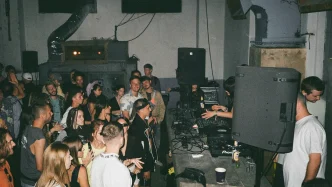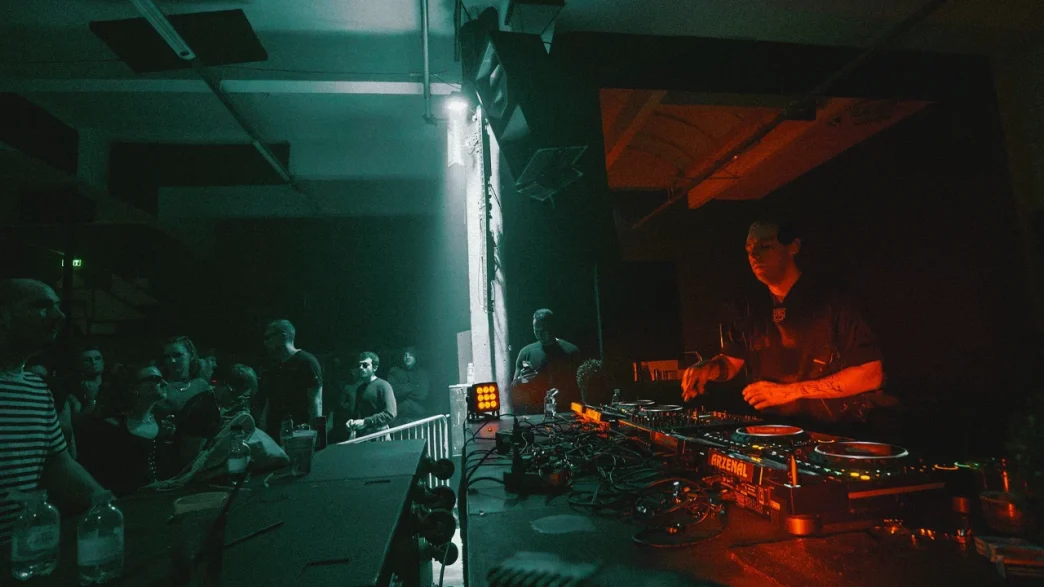
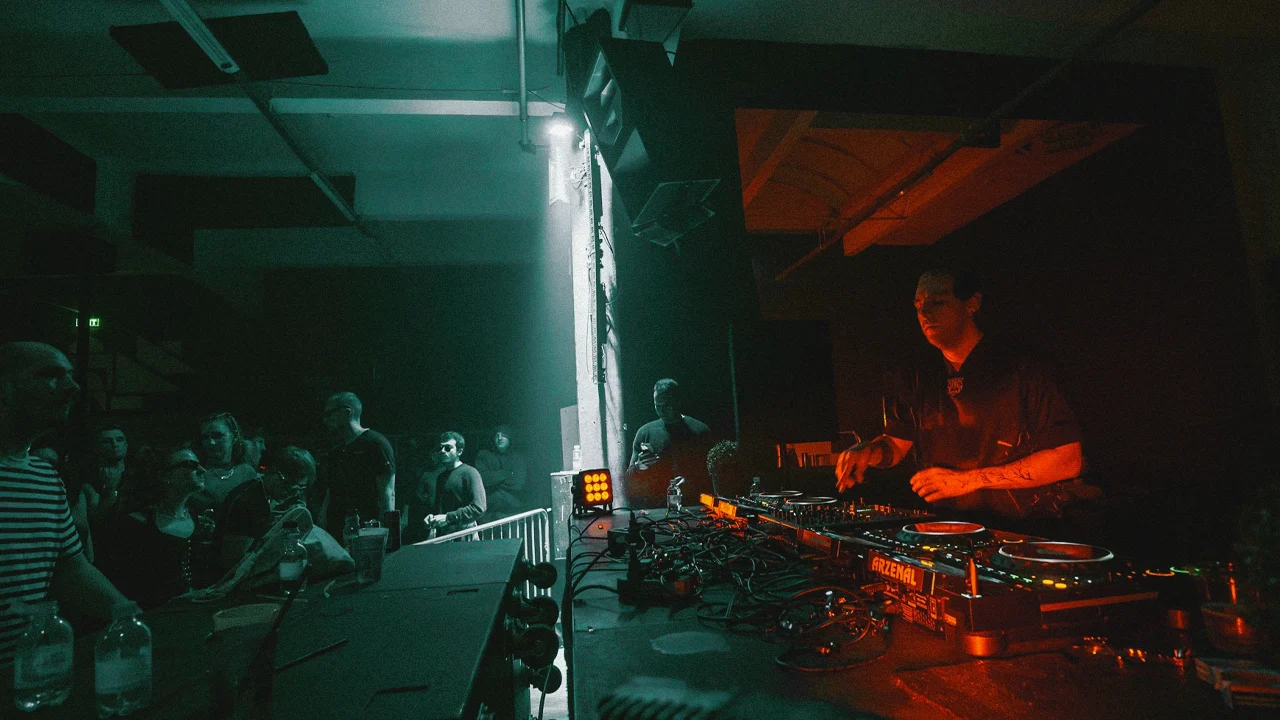

The global dance music machine is currently valued at a staggering $12.9 billion, and from the outside looking in, it’s healthier than ever. But beneath the glittering facade of Ibiza residencies and Sphere Las Vegas spectacles, a brutal generational changing of the guard is underway. For the seasoned DJ who came up lugging heavy vinyl crates and relying on obscure white-label promos, the current creator economy is a terrifying, algorithm-driven frontier. The old playbook of hiding in the studio, releasing an uncompromising hour-long mix, and letting the PR agency do the rest is decidedly dead.
Please note that this written piece is not intended to belittle or force things onto others, but is rather an educational piece and should be taken with an open mind.
We are living in a post-genre, hyper-online reality. Here are five brutal but entirely necessary strategic paradigms the veteran class must learn from the new, socially active vanguard of electronic music.
Why Content Needs to Come Before Everything Else
The days of letting a pristine, sonically perfect club track do the talking are completely over. Today, the currency is radical transparency, and the modern artist must feed the short-form video machine. Look at British DJ James Hype, whose operational ethos is quite literally “content comes before everything”. He didn’t just drop tracks into the void, he posted hyper-technical transition tutorials, documented his grueling open-format Sunday night residency struggles in Liverpool, and unapologetically embraced the daily grind.

Is the $599 MacBook Neo the Best Budget DJ Laptop for 2026?
TikTok, a cultural behemoth with over 800 million global users, actively rewards this vulnerability over polished rockstar posturing. Even legacy titans are catching on to the velocity of short-form media. David Guetta practically broke the internet by deploying an AI voice clone of Eminem during a live “Future Rave” set, a viral stunt that proved momentary, chaotic content velocity often trumps traditional, rigid release schedules.
How to Turn Your Broadcasts into a Real Group Chat
Relying on Instagram’s throttling algorithm to reach your own fans is a fool’s errand. The modern strategic pivot is all about absolute data ownership and hyper-localized micro-communities. UK producer Fred again.. has practically written the modern blueprint for this, shifting the artist-fan dynamic from a distant fandom to an intimate, peer-to-peer friend-dom.
By leaning heavily into hidden Discord servers and burner WhatsApp groups, he mobilized his most dedicated superfans to physically organize 18 local album listening parties across the globe. Platforms like Laylo facilitate this new wave of marketing by capturing first-party data like SMS numbers and emails, allowing artists to execute massive, coordinated drops for secret pop-up gigs or merch runs while bypassing the algorithmic gatekeepers entirely. The reality is simple because if you don’t own your audience’s data, you’re just renting their attention.
Getting Comfortable with AI and Real-Time Stems
Electronic music has always flirted heavily with the avant-garde of technology, but the current artificial intelligence wave is less about automated, robotic production and more about visceral, real-time performance enhancement. The 2026 Global DJ Census revealed a massive shift where 73% of active DJs are now using real-time stem separation in their live sets.
Software powerhouses like Rekordbox and Serato allow DJs to instantaneously isolate a classic 90s R&B vocal and drop it flawlessly over a bruising, modern hard techno kick drum live on stage. And the boundaries are pushing even further into the sci-fi realm. Dutch techno heavyweight Reinier Zonneveld recently went back-to-back with a live AI clone trained exclusively on his own discography to generate improvisational techno. Staying pure to traditional two-deck mixing is romantic, but ignoring these generative tools is a fast track to obsolescence.
Finding Ways to Make Money Beyond the Spotify Penny
Let’s be honest and admit that streaming payouts are aggressively dismal. To survive in 2026, the modern DJ operates as a highly diversified startup. Take John Summit, who isn’t just a producer but an entire lifestyle brand. His “Experts Only” imprint functions as a record label, an apparel line, and a massive festival promoter that pulled in a staggering $22 million in ticket revenue.
Instead of praying for editorial playlist placements, socially active DJs are monetizing their technical chops directly to their peers. They are selling custom sample packs, launching tiered Patreon subscriptions where the core content tier remains the sweet spot for revenue, and hosting digital production masterclasses. The overarching goal is to build a decentralized, direct-to-consumer revenue stream that the streaming giants absolutely cannot touch.

Navigating the Post-Genre Playground and Digital Discovery
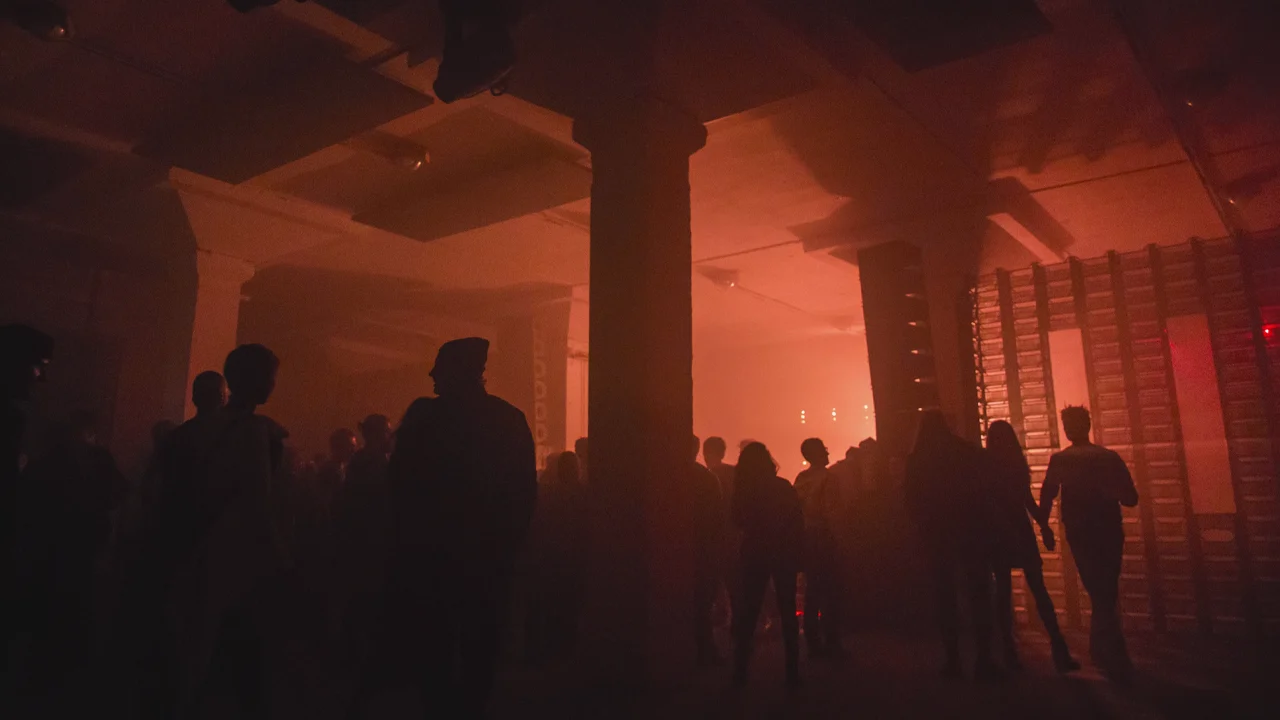
The rigid, dogmatic genre borders of the early 2010s have collapsed into a gloriously chaotic, culturally fluid melting pot. Today’s digital discovery landscape heavily favors hybrid sounds and clear, authoritative online branding. Afro Tech is taking ancient tribal rhythms and fusing them with futuristic synth textures. We’re even seeing the bizarre but highly lucrative collision of high-energy EDM with country music to capture entirely new listener demographics.
For veteran producers, stubbornly clinging to a singular, purist sound is a massive strategic error. By leaning into cross-genre collaboration and building a comprehensive digital footprint, seasoned DJs ensure they capture both global trends and hyper-localized engagement. By doing so, when fans organically search for “electronic dance music events near me,” it is the veteran’s localized events, pop-ups, and ticket portals that dominate the conversation. Connecting these offline experiences with a strong digital presence allows seasoned DJs to stay eternally relevant.
The narrative for the seasoned DJ is clear to either absorb the mechanics of the modern creator economy or risk becoming a heritage nostalgia act.
Sources & Further Reading
Electronic Music Industry & Market Data (2025–2026)
- Market Reports: Global industry hits record $12.9 billion (Beatportal), Year in Dance: 2025 Trends (Beatportal)
- The 2026 DJ Census: 5 key facts about the modern DJ (Digital DJ Tips)
- Subgenre Trends: 2025 EDM Subgenres (Relentless Beats), The return of EDM and Global Country (Artistrack)
Marketing Strategy & Artist Case Studies
- The “Fred Again” Method: Multi-channel marketing mastery (Action Rocket), The Fred Again Effect PDF (The Lab Strategy)
- Performance & Branding: James Hype: 5 Lessons (Crossfader), David Guetta x Porsche EV shoot (CampaignME)
- Audience Engagement: Laylo alternatives for fan loops, Patreon tier pricing guide (Reddit)
SEO & Digital Monetization
- Artist SEO: Keyword strategies for musicians, Website SEO tips for 2026 (DJ Life Mag), General SEO trends
- Monetization: How to monetize DJ mixes (DJ.Studio)
- AI Integration: AI Music SEO keywords list (Soundverse)
Innovation, Law & Tech
- AI & Events: AI acts at 2026 festivals: Gimmick or future? (Ticket Fairy)
- Legal & Academic: Music law and WLT updates (DG Law), Journal of Music Education Research
- Video Resources: Industry Discussion 1, Industry Discussion 2
* generate randomized username
- COMMENT_FIRST
- #1 Lord_Nikon [12]
- #2 Void_Reaper [10]
- #3 Cereal_Killer [10]
- #4 Dark_Pulse [9]
- #5 Void_Strike [8]
- #6 Phantom_Phreak [7]
- #7 Data_Drifter [7]
- #8 Zero_Cool [7]