


 20
20
Why the Medium Matters Less Than the Uncompromising Taste of the DJ
MAR. 15 2026
Section
Read Time
Written By
[ EXCERPT ]
The electronic music format debate between vinyl, CDJs, and controllers often distracts from what truly moves a dancefloor. Discover why uncompromising track selection, psychological empathy, and expert curation matter significantly more than your DJ gear.
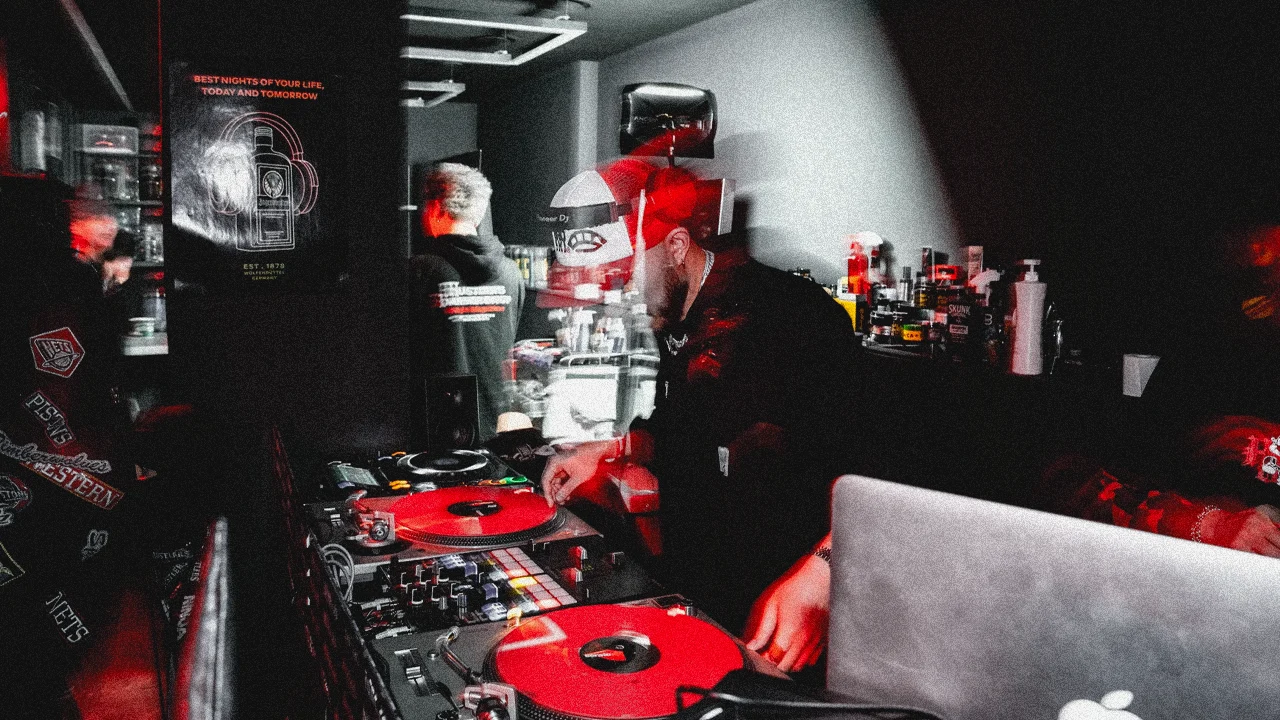
If you’ve spent more than five minutes lingering near the DJ booth of any dimly lit, mildly pretentious techno club, you’ve inevitably overheard it: the format debate. It’s the electronic music equivalent of arguing over analog tape versus digital recording, a tireless, exhausting loop of posturing about vinyl purism, the club-standard ubiquity of CDJs, and the perceived heresy of laptop controllers. But let’s be brutally honest: in the modern clubbing landscape, the medium a DJ chooses to broadcast their sonic arsenal matters significantly less than the uncompromising, ruthless taste of the selector.
The mechanics of playback—whether driven by the weighty rotation of a direct-drive analog motor, a laser reading an optical disc, or an algorithmic quantization grid—are inherently subordinate to the core function of the practitioner: curating an emotional and physical narrative for a room full of strangers.
Why Do DJs Still Argue About Vinyl, CDJs, and DJ Controllers?
To understand the toxic subculture of format gatekeeping, you have to look at the tools. Vinyl records, the sacred cow of dance music, offer a deeply tactile, romanticized connection to the music. The physical resistance of the platter and the uncompressed warmth of the sound carry an undeniable historic weight. Yet, let’s face it: lugging eighty fragile records across international borders is a logistical nightmare that inherently limits a DJ’s musical vocabulary during a set.
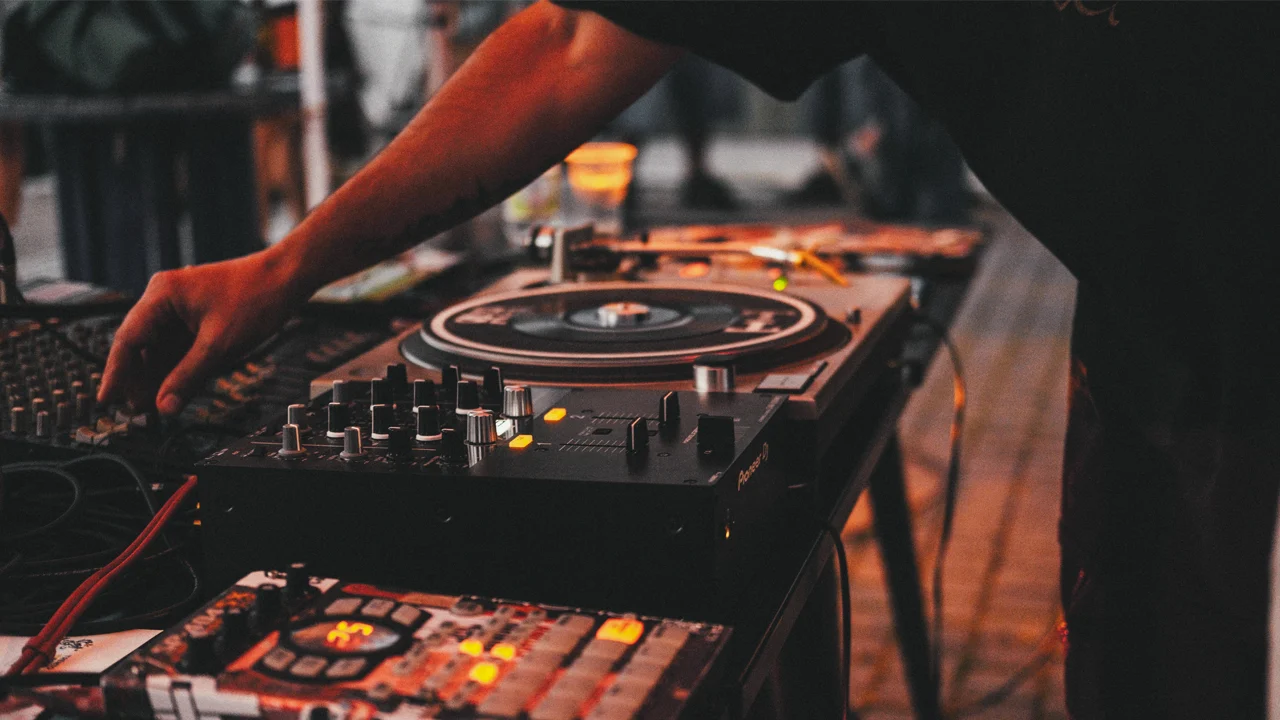
Enter the Pioneer CDJ—the ubiquitous, monolithic club standard. It’s a functional compromise that bridges the gap between tactile control and digital convenience. Then you have DJ controllers, the ultimate democratizers. Controllers tear down the financial barrier to entry, offering immense creative potential, live stem separation, and looping madness. Yet, because they lower the barrier, they are endlessly stigmatized by self-appointed purists as “training wheels”.

What Happened to Denon DJ? Why Better Features Couldn’t Beat AlphaTheta Pioneer
Why Are So Many Purists Against the DJ Sync Button?
This elitism reaches its fever pitch when discussing the “sync” button. The old guard argues that algorithmic beatmatching fosters sterile, lazy sets. But this false equivalency—that mechanical labor automatically equals artistic value—completely misses the point of what makes a dancefloor detonate.
As UK underground veteran Mr G so eloquently puts it, “It’s not about perfect, seamless, soulless mixing for me. If you can’t feel it, it may as well be a computer”. He notes that music selection is king, arguing that even if the mixing is loose, a crowd will still lose their minds if the track selection is authentically personal. Automating the utilitarian math of beatmatching simply frees up the DJ’s cognitive bandwidth, allowing them to focus entirely on the room’s energy and complex, multi-deck layering.
How Important Is Track Selection vs. Technical DJ Mixing Skills?
If the mechanical process of mixing is no longer the defining metric of talent, the focal point shifts entirely to curation. We are living in the era of the “selector”—a DJ whose value lies not in battle-ready turntablism or a back catalog of studio hits, but in their unparalleled, almost encyclopedic musical knowledge.
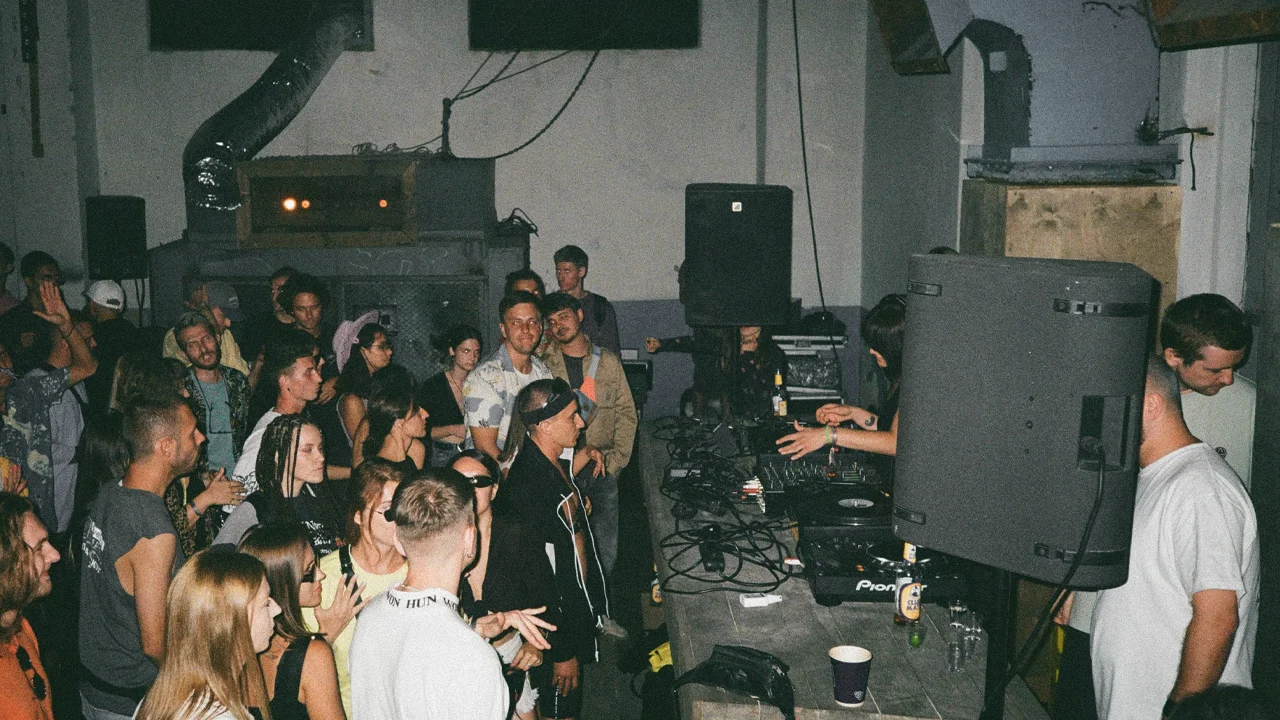
The art of track selection requires a vast mental database and acute psychological empathy. A perfectly beatmatched transition between two emotionally incompatible tracks will instantly murder a dancefloor’s momentum. Conversely, a rough cut between two tracks that speak to the exact vibe of the room can induce sheer euphoria. In an age where instantaneous digital crate-digging provides everyone with the exact same access to millions of files, unique curation is the absolute sole differentiator.
What Do Famous Electronic Music DJs Say About the Gear vs. Selection Debate?
The most revered figures in underground dance music consistently prove that gear is secondary to vision. Take Ben UFO, a definitive modern selector who has built a massive career without releasing original productions. Despite playing on digital setups, his core advice to beginners is surprisingly analog: “cover up the BPM readers and learn to mix by ear”. He argues this isn’t about elitism, but about avoiding “tedious laptop admin” and entering a powerful “flow state” that fundamentally alters how the set sounds organically.
Detroit techno architect Jeff Mills views the craft through an intensely psychological lens. For Mills, DJing is about understanding the “psychosis” of the crowd—reading human behavior and applying music to either challenge or restore the audience depending on the current global or personal climate.
Meanwhile, Chicago-born icon Honey Dijon views her role as a vital act of cultural preservation. She builds sets that are a dense bricolage of marginalized histories, rejecting format snobbery to focus entirely on storytelling. She emphasizes taking “inspiration from everything and everywhere” to bring back unique energy to the audience.
And then there are DJs like Sherelle, who commands massive festival crowds with blistering 160 BPM sets of footwork and jungle. Her chaotic, infectious energy—honed from learning on a cracked version of Virtual DJ and entry-level controllers—proves unequivocally that high-velocity curation and raw passion easily obliterate hardware snobbery.
The Final Verdict: Why Being a Great Selector Beats Having the Best DJ Gear
Ultimately, the endless friction between vinyl purists and digital advocates is a profound misdirection. Hardware formats impose specific workflows, but they remain utterly passive tools waiting for human direction. The audience does not dance to a perfectly aligned Rekordbox grid. They do not cheer for the mechanical precision of a direct-drive motor. They dance to the music. And it is the selector—armed with uncompromising taste, profound empathy, and an encyclopedic crate—who alone decides which frequency will move the room.
Sources & Further Reading
DJ Philosophy & The “Selector” Mindset:
- What Makes a Great DJ? (Attack Magazine)
- The Rise of the Selector (Mixmag)
- Ben UFO: Thoughts and Advice on DJing (Juno Daily)
- Honey Dijon on What it Means to be a DJ (XLR8R)
- Song Selection vs. Technical Mixing (Reddit/Beatmatch)
- Why “Digging” for Music Still Matters (Platinum Records)
Artist Interviews:
- Jeff Mills: The Art of the Machine (Red Bull Music Academy)
- Sherelle: High-Speed Mixing & High-Energy Interview (Vice/Noisey)
- Sherelle: Repercussion and Future Beats (Dazed)
The Format Debate: Vinyl, Digital & Hardware:
- Vinyl vs. Digital: The Great Debate (Kill The Music)
- How Format Shapes Your DJ Style (Record Store Day)
- California Laptop Ban Controversy (The Guardian)
- DJ Controllers vs. CDJ & Mixer Setup (IDJNow)
- The Ultimate Guide to Pioneer CDJs (Passionate DJ)
- Learning to Play Live vs. DJing (Learn to Play Live)
What We Covered

- [2026.07.06] ./Generative AI Migrates From Cloud DAWs Directly to Standalone Performance Hardware
- [2026.07.03] ./Sony Music vs Udio: Judge Rejects 30,000-Track Lawsuit Expansion Motion
- [2026.06.30] ./TIDAL Enacts Zero-Royalty Policy for Fully AI-Generated Music Catalog
- [2026.06.28] ./The End of Anonymous AI Integration in Modern Music Production
- [2026.06.26] ./What Makes Cebu’s Sub-Bass Culture a Must-Experience at Fête de la Musique 2026?