
If you’ve paid any attention to the electronic music world lately, you’ve probably noticed a glaring split in the simulation. On one end, the global dance music industry is riding a massive, hyper-commercialized wave, hitting a record-breaking $12.9 billion valuation. The mega-festivals are selling out, the VIP tables are fully booked, and major corporate acquisitions are reshaping live entertainment.
But wander away from the blinding pyrotechnics of the main stage, and you’ll find a very different reality. The true, bleeding edge of edm music isn’t being forged in corporate boardrooms; it’s surviving in the sweaty, decentralized, and fiercely protective ecosystems of independent collectives. In an era plagued by rampant venue closures, cost-of-living crises, and algorithmic homogenization, these grassroots communities are doing the heavy lifting to keep the scene alive.
The Subversive DNA of Rave Culture
To understand where we are, you have to remember where we came from. Long before every pop star tried to drop an electro pop anthem or hire a superstar edm dj, rave culture was born out of sheer defiance. In the late 1980s and early 90s, acid house and techno reverberated through squatted buildings, abandoned children’s homes like Groove Park, and gritty warehouses across the UK and Europe.
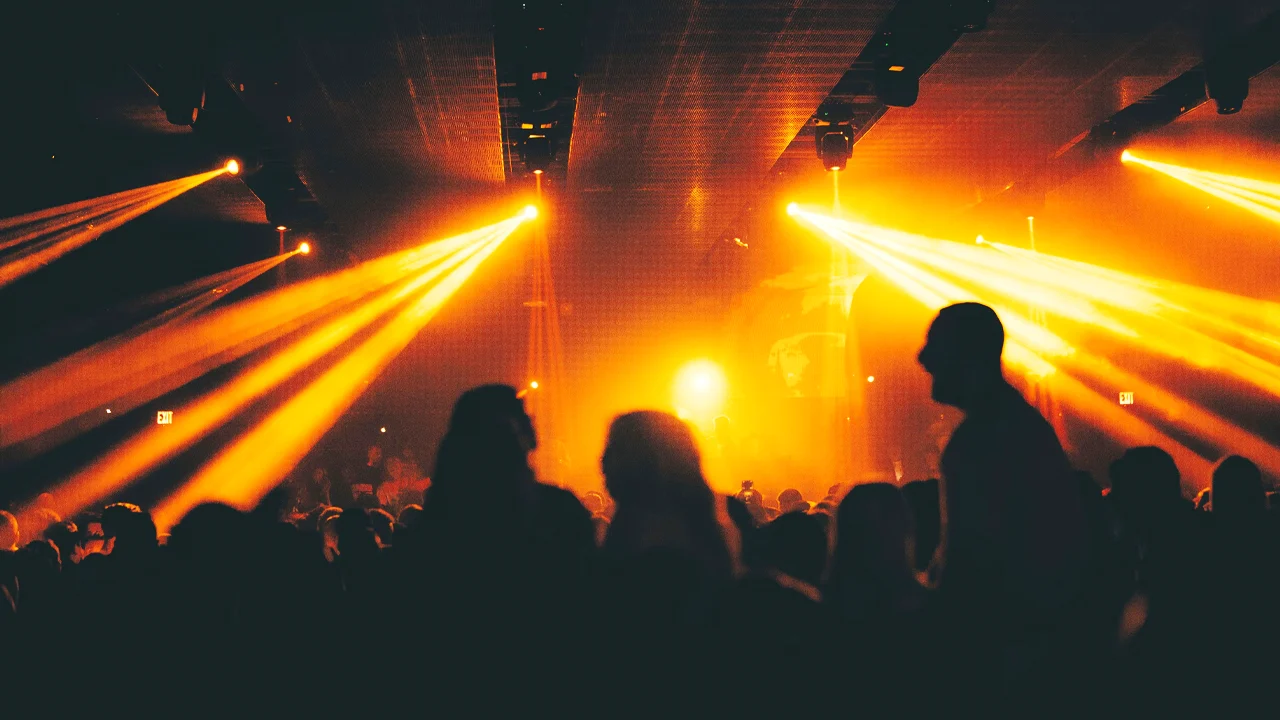
Why the Future of Clubbing Has No Age Limit: The Intergen Revolution
This wasn’t just a party; it was a deeply political sanctuary. These unpoliced, unadulterated spaces offered a vital escape from the bleak economic realities of deindustrialization and the suffocating rigidity of mainstream capitalist society. The auditory experience was heavily indebted to soundsystem culture, a lineage tracing back to Jamaica in the late 60s, where the MC functioned as the vital intermediary between the decks and the dancefloor. From its inception, the culture demanded collectivism. The ethos of Peace, Love, Unity, and Respect (PLUR) wasn’t just a catchy slogan for kandi-trading ravers, it was a survival tactic.
Megaclubs vs. The Underground Hustle
Fast forward to today, and that subversive essence is under serious threat. We are witnessing the aggressive gentrification of the dancefloor. In London, colossal corporate epicenters like Drumsheds, boasting an imposing 109,813 square feet of hybrid space, mirror the relentless monetization of the musical experience. But can a venue of that massive scale truly maintain its underground authenticity? The consensus from the cultural trenches is a resounding no.
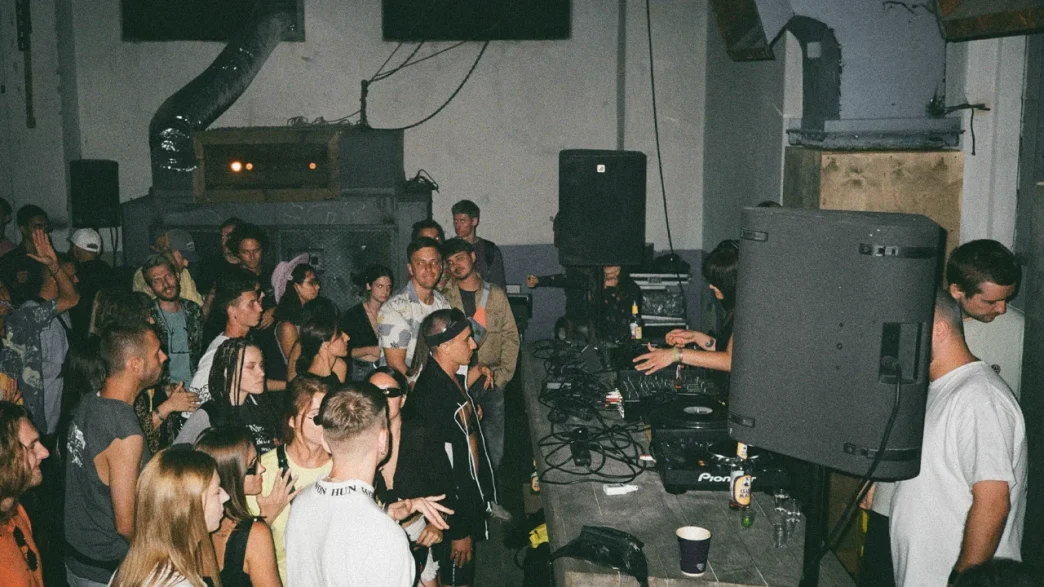
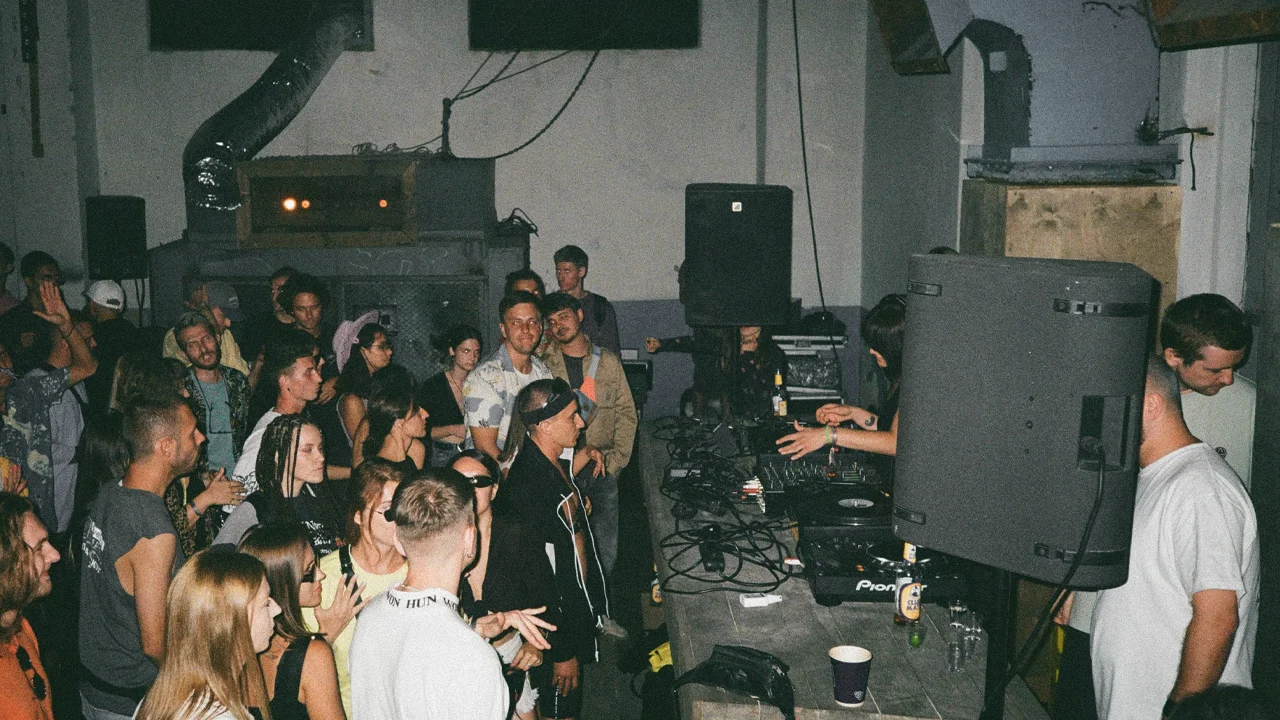
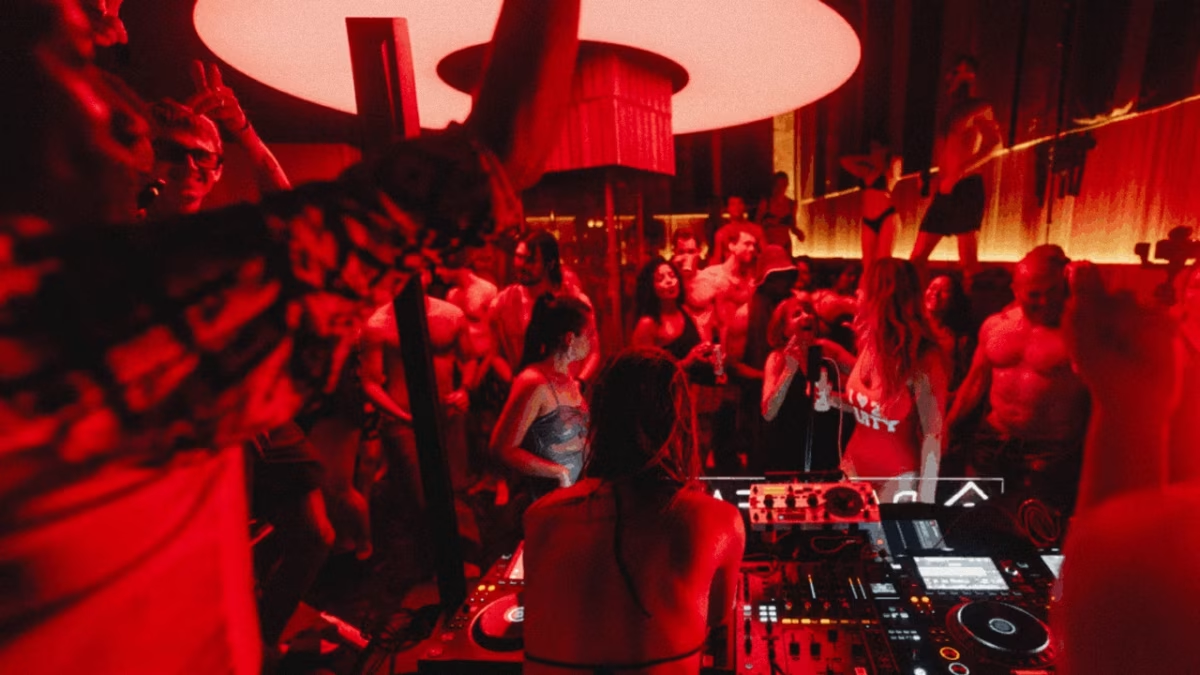
While the commercial sector cashes in, the independent circuit is suffocating. Club closures are mounting at an alarming rate across major cities, systematically destroying the incubators where electronic music historically thrived. This is exactly where local collectives step in. They operate as decentralized micro-economies, throwing renegade pop-up raves in unconventional spaces from storm drain tunnels to under freeway overpasses. Groups like Southern California’s No Expectations lean heavily on guerrilla marketing and community trust, prioritizing the physical safety of their attendees over corporate ticket sales.
The Global South is Changing the Game
If you want to hear the actual future of club culture, you need to look past the traditional strongholds of Berlin, London, and Detroit. The most radical, forward-thinking sounds are currently erupting from the Global South.
Take Nyege Nyege in Kampala, Uganda. It isn’t just a label; it’s a radical Pan-African ecosystem and festival incubating hyper-fast, 180 to 300 BPM singeli, blending ancient storytelling traditions with industrial techno. Meanwhile, Afro Tech is fundamentally rewiring festival stages globally. Championed by artists like Black Coffee and Shimza, the genre fuses deeply spiritual, tribal-inspired percussion with futuristic synth textures.
In Asia, the shift is just as palpable. Singapore’s Darker Than Wax collective has spent over a decade actively dismantling the Western-centric bias of dance music, resurfacing regional jams like Malaysian-Singaporean funk and connecting the dots between underground scenes in Jakarta, Bangkok, and Shanghai. These artists aren’t just contributing to the global electronic conversation; they are completely rewriting its vocabulary.

Anti-Algorithm Airwaves and Digital Sovereignty
Beyond physical spaces, the collective resistance is increasingly fighting back against digital and algorithmic homogenization. As major streaming giants quietly experiment with filling popular playlists with pseudonymous, AI-generated stock music to reduce royalty payouts, underground collectives are utilizing independent community radio to reclaim cultural sovereignty.
Nowhere is this resilience more evident than the rise of platforms like NTS Radio. Launched in Hackney with a shoestring budget and a pair of CDJs, NTS has morphed into a global movement broadcasting from over 50 cities worldwide. Operating strictly without playlists or commercial interference, its “Don’t Assume” ethos grants DJs and record collectors total creative freedom, relying entirely on human passion rather than data points.
Similarly, in Belgium, Kiosk Radio streams 24/7 from an abandoned wooden shack in Brussels’ historic Parc Royal. Founded by friends exhausted by the narrow scope of commercial stations, it acts as a vital intersection where diverse local and international subcultures overlap. By elevating localized, uncompromising sounds to the world stage, these collective-driven platforms prove that genuine community curation will always outpace an algorithm.
Why the Collective is Our Only Hope
Beyond the music, collectives serve as the primary defense line against an increasingly exploitative industry. Recent data reveals that a staggering 72% of young creatives have felt unsafe in music industry environments, and 90% report being paid unfairly.
Collectives actively combat this toxicity. In Brazil, Batekoo functions as an essential sanctuary for queer, Black youth, celebrating African diaspora aesthetics and ensuring ticket prices remain accessible to the community it serves. In Berlin, the No Shade collective operates like a guild, providing vital DJ and VJ training specifically for femme, trans, and non-binary artists.
Without the relentless, uncompensated labor of these underground communities, the scene risks devolving into a hollow, gentrified commodity. The future of dance music won’t be saved by another algorithmic streaming playlist or a monolithic mega-club. It will be saved by the kids building their own sound systems, sharing their equipment, launching pirate radio stations, and protecting their dancefloors. The survival of the beat relies entirely on the beautiful endurance of the collective.
Industry Sources & Reports
- IMS Business Report 2025: The Global Electronic Music Industry Hits a Record $12.9 Billion
- Youth Music Report: Alarming Harm Facing Young People in Music Industries
- Beatportal Feature: How Dance Music Collectives are Shaping Our Future
- EBSCO Research: Rave Culture and its Evolution
Community & Global Scene Features
- Interview: Underground Collective No Expectations
- Mixcloud Blog: Kiosk Radio Unites Belgium’s Music Scenes
- Next Sound: The New Global Underground: Artists from the Global South
- Mixmag Feature: Impact of the Cost of Living Crisis on Nightlife
* generate randomized username
- COMMENT_FIRST
- #1 Lord_Nikon [12]
- #2 Void_Reaper [10]
- #3 Cereal_Killer [10]
- #4 Dark_Pulse [9]
- #5 Void_Strike [8]
- #6 Phantom_Phreak [7]
- #7 Data_Drifter [7]
- #8 Zero_Cool [7]