
I watch my generation drive a 127% spike in film photography sales and scour Depop for low-rise jeans. We treat vinyl records not as relics but as requirements. The nostalgia economy is real. As a Gen Z observer witnessing these core memories repackaged as new commodities, it was inevitable that this regression would hit the mainstage. By February 2026, the electronic music industry is valued at $12.9 billion and has shifted its focus. The cultural tag dominating TikTok, “2026 is the New 2016,” represents a calculated market correction where the safest investment is a high fidelity remaster of the past.
Why Is 2016 Taking Over Your Feed?
The current landscape is defined by a specific type of aesthetic regression. For the Gen Z listener, now entering their mid 20s, the “Golden Era” of 2015 to 2016 functions as a foundational classic rock moment. This was the era of The Chainsmokers’ hegemony and Calvin Harris’s pop ubiquity. In 2026, streaming platforms report a massive surge in consumption of tracks from this window. Spotify data indicates an 800% increase in user generated 2016 themed playlists since the start of the year.
This is not organic; it is algorithmic. The feedback loop begins on short form video platforms where the aesthetic of “Digital Comfort” (Snapchat filters, flower crowns, unpolished photo dumps) offers a tactile rejection of the hyper curated and AI saturated reality of 2026. The algorithms reward this engagement. This signals to label executives that the most viable product is one that has already sold.

New Study Confirms: The True Saviors of Underground Music Are Over 40
Why Do Old Hits Pay Better Than New Tracks?
Financially, the industry has pivoted from a hit driven economy to a catalog centric one. With streaming now commanding nearly 68% of the total music market share, the passive income generated by decade old hits offers a higher yield than the volatile gamble of breaking new artists.
Investors treat 2016 catalogs as blue chip assets. These tracks possess proven commercial viability. They have survived the churn of the streaming era’s infancy to become the “Dad Rock” of the 2020s. With growth becoming increasingly concentrated, the value is concentrating in these heritage assets. The “drop” (that euphoric and major key release mechanism of Big Room House) has returned because it sells. It offers “Optimism” which serves as a stark and marketable contrast to the more somber tones of recent years.
Why Are Festivals Booking Legends Instead of Newcomers?
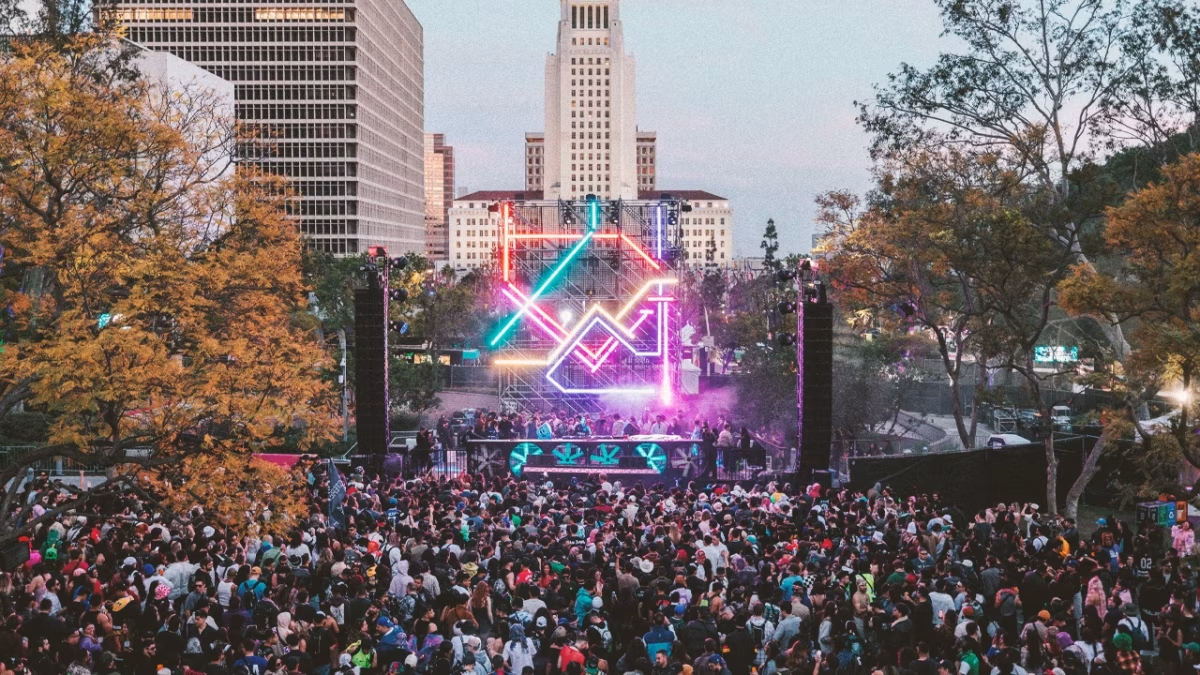
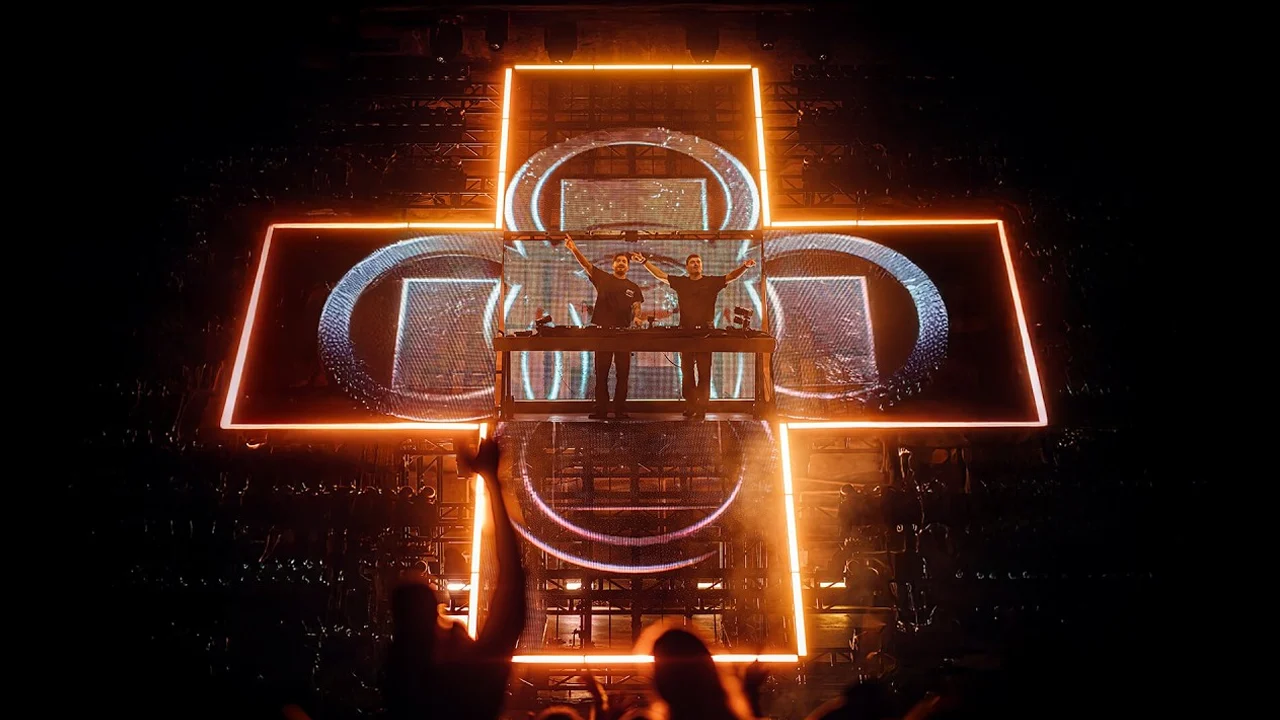
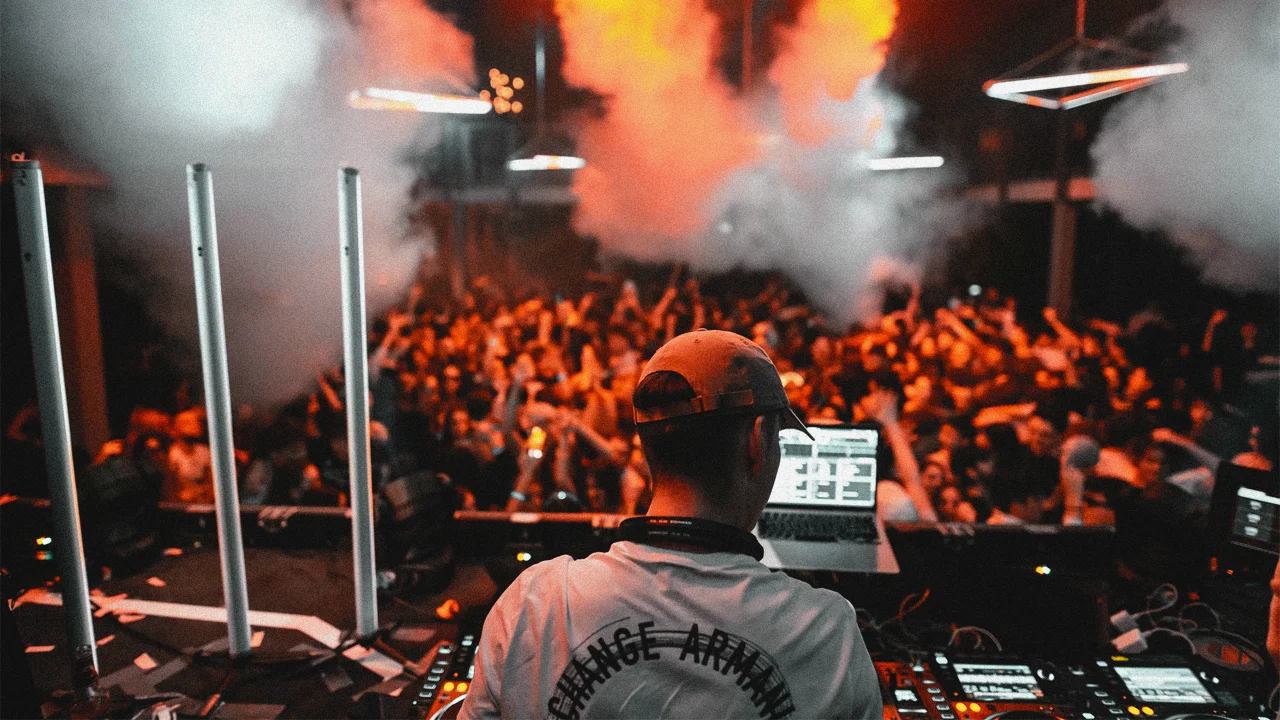
Live event promoters face ballooning production costs and artist fees. Consequently, they have embraced nostalgia as a risk mitigation strategy. Ultra Music Festival’s 2026 lineup is a case study in this conservatism. The booking of a Martin Garrix b2b Alesso set is not an artistic statement. It is a financial fortress. It weaponizes the memory of 2016 to guarantee ticket sales in a way that booking an emerging avant garde act cannot.
Tomorrowland has adopted a similar stance with its expansion into Thailand and the booking of https://tomorrowlandbelgium.press.tomorrowland.com/tomorrowland-belgium-2026-unveils-names . These legacy acts draw the Millennial demographic. These are fans who were 25 in 2016 and now possess the disposable income required for VIP tables and travel packages. The reality of “sticker shock” has forced promoters to rely on these known quantities to ensure ROI.


How Is AI Changing the Sound of Nostalgia?
The sound of 2016 has not just returned. It has been upgraded. The industry is utilizing Artificial Intelligence and spatial audio technologies to remaster the past for 2026 hardware. “Generative Nostalgia” tools allow producers to mimic the melodic structures of the mid 2010s while stem separation technology enables labels to remix and repurpose old stereo masters for Dolby Atmos environments.
This is the ultimate commodification of the era. The “Golden Age” is being sold back to the audience in higher resolution than they ever heard it the first time. It is a closed loop of consumption. The technology of the future is used exclusively to polish the products of the past.
Is the 2016 Revival Here to Stay?
The “2026 is the New 2016” movement is less a creative renaissance than a necessary recalibration. In a fragmented digital landscape, shared nostalgia provides the only reliable monoculture. For the industry, it is a lucrative holding pattern. It is a way to monetize the psychological benefits of a generation seeking refuge from the complexity of the present. The drop is back not because we need it but because we will pay for it.
* generate randomized username
- COMMENT_FIRST
- #1 Lord_Nikon [12]
- #2 Void_Reaper [10]
- #3 Cereal_Killer [10]
- #4 Dark_Pulse [9]
- #5 Void_Strike [8]
- #6 Phantom_Phreak [7]
- #7 Data_Drifter [7]
- #8 Cipher_Blade [6]